2026 Top Mould Components Manufacturers and Suppliers
Choosing reliable Mould Components manufacturers requires more than comparing catalog prices. Quality appears in small details: a clean ejector pin, consistent steel hardness, and threads that fit without force. These details influence cycle time, maintenance costs, and the final mould’s service life.
This 2026 guide examines leading Mould Components manufacturers and suppliers through practical purchasing criteria. It considers material grades, machining accuracy, heat treatment, surface finishing, delivery capability, and technical support. It also reviews supplier experience across injection moulds, die-casting tools, stamping dies, and customized tooling systems. Clear drawings, inspection reports, and traceable production records remain important evidence.
Small errors matter.
A supplier may offer attractive prices but provide weak documentation. Another may have excellent machining but limited stock for urgent repairs. These differences deserve attention before a purchasing decision is made. Reliable evaluation should include sample inspection, tolerance verification, communication quality, and after-sales response. Customer reviews can help, though they may not reveal every production condition.
The companies discussed here are not treated as identical or permanently ranked. Market positions can change with capacity, technology, regional demand, and quality performance. Some information may require direct confirmation from suppliers, especially regarding certifications, lead times, and current product ranges. That limitation should not be ignored. By combining technical evidence with realistic factory requirements, buyers can identify suppliers suited to their mould design, production volume, and long-term maintenance plans.
Mould Components: Definition, Types, and Industrial Applications
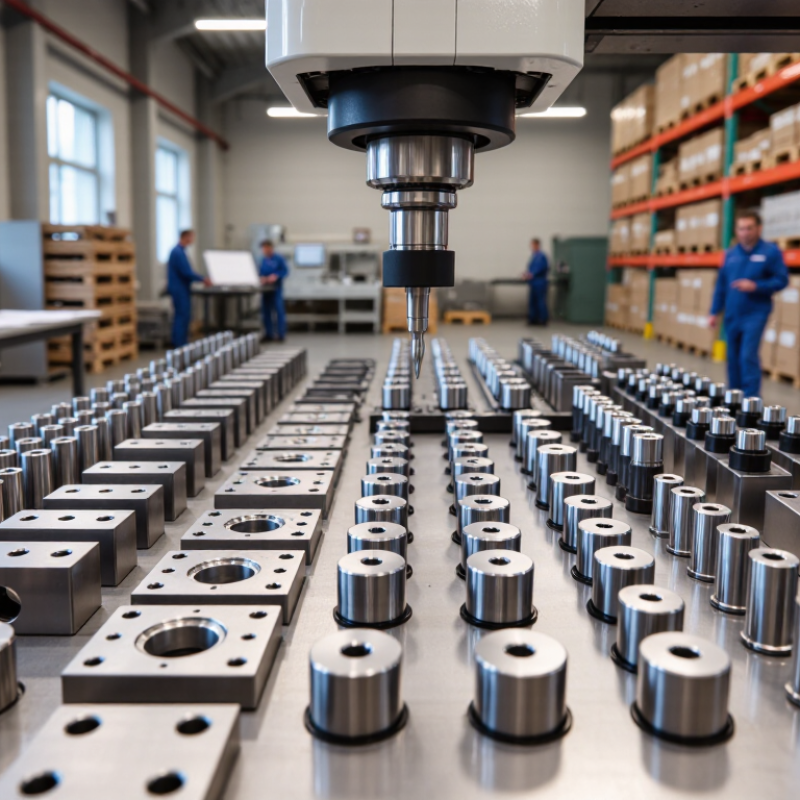
Mould components are the replaceable and supporting parts that make a mould function accurately. They include guide pins, bushings, ejector pins, cores, cavities, slides, lifters, sprue bushes, and cooling channels. Each part controls alignment, forming, release, or heat transfer. A guide pin may appear simple, yet a small clearance error can create flash, uneven wear, or difficult mould opening.
Component selection depends on material, cycle speed, pressure, and product geometry. Hardened steel inserts suit abrasive resins and long production runs. Copper alloys improve cooling around thick sections. Ejector systems remove the part after cooling, while slides form side holes and undercuts. These details matter in automotive interiors, medical housings, appliance panels, packaging, and electronic enclosures. The wrong component can increase maintenance time quickly.
Industry data shows why precision matters. Grand View Research estimates the global injection molding market will continue expanding through 2030, supported by automotive, healthcare, and consumer-product demand. MarketsandMarkets projects the injection molded plastics market to grow from about USD 284 billion in 2024 to over USD 375 billion by 2029. These figures describe a broad market, not mould components alone. That distinction is important. In practice, suppliers should provide material certificates, dimensional inspection records, heat-treatment data, and replacement compatibility. ISO 2768 tolerances can guide general machining, but mould makers often need tighter, application-specific controls. I have seen drawings look complete while omitting surface finish or cooling requirements. Small omissions become expensive corrections.
2026 Top Mould Components Manufacturers and Suppliers
Mould components are precision parts used to guide, support, form, inject, cool, and eject moulded products. The chart presents representative hardness ranges commonly specified for key steel mould components, measured in Rockwell C hardness (HRC).
Higher hardness generally improves wear resistance, while the final specification depends on mould steel grade, heat treatment, product material, operating temperature, and required service life.
Leading Global Mould Components Manufacturers and Their Specialties
2026 Top Mould Components Manufacturers and Suppliers
Global mould component suppliers are moving toward tighter tolerances, faster delivery, and smarter production support. Their specialties differ widely. Precision component manufacturers focus on guide pillars, bushes, ejector pins, and interchangeable mould bases. Others specialise in hot runner systems, cooling channels, wear-resistant coatings, or custom CNC parts. These details affect cycle time, maintenance, and final surface quality.
According to Grand View Research, the global injection molded plastics market continues to expand through this decade. Its 2024 analysis links growth to automotive electrification, medical devices, and lightweight consumer products. The International Federation of Robotics also reported continued growth in industrial robot installations, supporting more automated mould production. These trends increase demand for repeatable components and reliable technical documentation. However, market reports usually measure broad sectors, not individual supplier performance. Buyers should remain cautious.
Tips: Compare tolerance charts, steel grades, heat-treatment records, and inspection methods. Ask for sample measurement reports. A low price may hide longer setup time or faster wear. ISO 9001 certification helps, but it does not guarantee mould life. Review actual production feedback, replacement speed, and engineering response. No supplier fits every project. A specialist in medical mould components may not suit a large automotive tool. In practice, small differences in alignment can become visible flash, uneven cooling, or rejected parts. Supplier claims deserve testing, not blind trust.
Top Mould Components Suppliers by Region and Product Category
The 2026 mould components market is increasingly organized by region and product category. East Asian suppliers often provide guide pillars, ejector pins, inserts, and cooling components with broad size options. Their strength is efficient production and fast customization. Buyers should still verify steel certificates, surface hardness, and dimensional reports. Details matter.
European suppliers commonly focus on high-precision mould bases, slides, lifters, and hot runner components. Their documentation is usually thorough, which helps engineers trace material batches and inspection results. North American suppliers often support complex automotive, medical, and industrial mould projects. They may offer strong technical communication, repair advice, and regional inventory. Local support helps.
South Asian manufacturers are expanding in standard components, ejector systems, guide units, and replacement parts. Competitive pricing can be attractive, but delivery consistency requires careful checking. Product categories should guide supplier selection more than general rankings. For example, cooling components need reliable sealing and corrosion resistance. Precision inserts require stable tolerances and predictable heat treatment. Fit is everything.
From practical supplier evaluations, three checks remain useful: sample inspection, drawing confirmation, and response testing. Ask whether the supplier can maintain tolerance after repeated mould cycles. Request clear data for hardness, coating thickness, and allowable temperature. Some suppliers communicate well before the order, then respond slowly after a problem appears. That weakness deserves attention. Regional rankings can also change when freight costs, customs rules, or production capacity shift. A careful buyer should review performance every year, not trust a permanent list.
How to Select the Right Mould Components Supplier for Your Project
2026 Top Mould Components Manufacturers and Suppliers
How to Select the Right Mould Components Supplier for Your Project
Selecting a mould components supplier requires more than comparing unit prices. Start with the supplier’s experience in your mould type, material, and production volume. Ask for dimensional inspection reports, steel certificates, and sample documentation. A reliable supplier should explain tolerances clearly, not hide behind general claims.
Check whether the supplier can support standard parts, custom components, and urgent replacements. Confirm machining accuracy with practical evidence, such as CMM reports or measured trial pieces. Review lead times for guide pillars, ejector pins, inserts, and cooling components. Small delays can stop an entire mould assembly. Communication matters just as much. Technical questions should receive precise answers within an agreed timeframe.
Do not ignore production controls. Inspect how the supplier manages heat treatment, surface finishing, packaging, and batch traceability. Request a drawing review before production begins. It can reveal mismatched hole sizes or unclear hardness requirements early. I once treated a low quotation as proof of efficiency. The later corrections cost more than the original saving. That mistake still influences my supplier evaluations. No supplier is perfect, and even experienced teams can miss a detail. The stronger partner is willing to admit errors, document corrective action, and prevent repetition. Ask about backup capacity, inspection equipment, and after-sales support before approving the order.
 Skip to content