Skip to content

2026 Top Tire Balance Beads Which Should Buyers Choose?

Choosing among the 2026 top tire balance beads starts with a practical question: what does your vehicle and tire setup require? A Tire Balance Bead is a loose balancing material placed inside a tire. As the wheel turns, the beads can move toward areas that need balance. This approach may appeal to drivers who want an alternative to conventional wheel weights, but results depend on the tire, wheel, installation, and product instructions.

The right choice is not simply the brand with the boldest claims. Buyers should compare bead material, size options, packaging, compatibility guidance, and clear installation directions. Check whether the product is intended for your tire type and vehicle, and follow the tire and bead manufacturers’ recommendations. A truck tire and a passenger-car tire do not necessarily call for the same setup. Small details matter, such as using the specified quantity and keeping the tire’s interior suitable for the product.

Look for transparent specifications and support that explains limitations, not just benefits. Reviews can help, but one driver’s smooth ride is not proof of universal performance. That matters. This guide compares leading options and the criteria behind them, so readers can make a more informed shortlist. Still, product rankings have limits; real-world fit can vary. Before buying, confirm compatibility with a qualified tire professional when the application is unclear. A careful choice may prevent avoidable vibration and wasted effort. The best answer is the bead that fits the actual setup, not the most impressive label.
2026 Top Tire Balance Beads Which Should Buyers Choose?

What Tire Balance Beads Are and How They Work

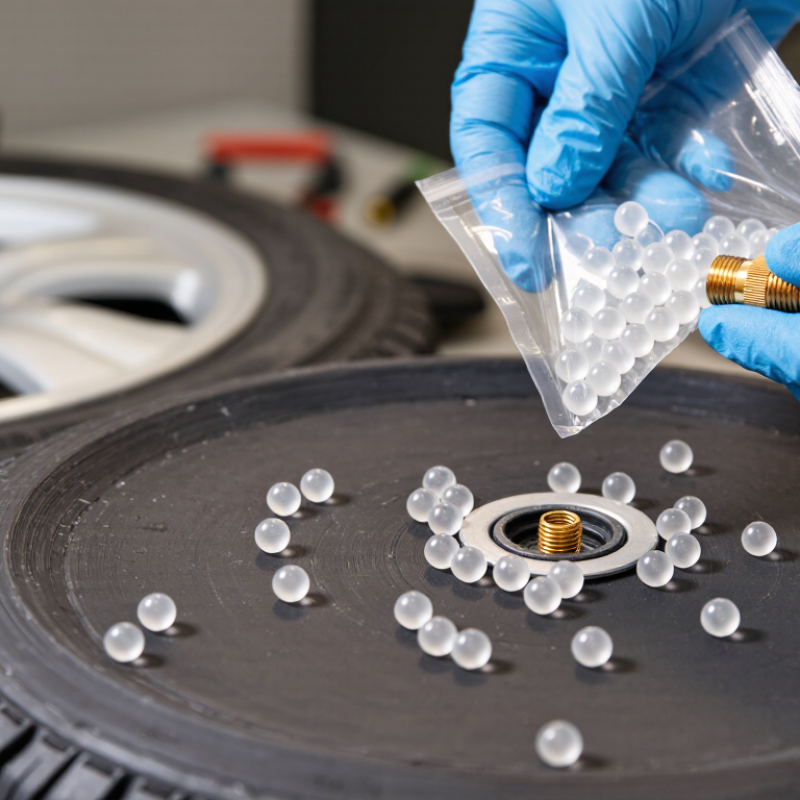
Tire balance beads are small, free-moving particles placed inside a tire, usually during mounting. As the wheel spins, centrifugal force helps the beads move around the inner casing and gather opposite heavier areas. Their shifting mass can counter uneven weight distribution without fixed stick-on weights. The idea is simple. The result depends on the tire and wheel assembly.

Balance is not the same as inflation. The U.S. Department of Energy and EPA’s FuelEconomy.gov guidance says properly inflated tires improve fuel economy by about 0.6% on average, and up to 3% in some cases. That figure concerns tire pressure, not bead performance; it is a useful reminder that several factors affect tire behavior. Beads may be less suitable for some assemblies, and poor installation can cause clumping or uneven distribution. Check the tire and vehicle maker’s guidance, and ask a qualified technician about compatibility. I would not treat beads as a guaranteed cure for vibration. A bent wheel, worn suspension part, or damaged tire can feel similar, and beads cannot repair those faults.

Key Types and Materials Used in Tire Balance Beads

Tire balance beads are commonly made from glass, ceramic, or engineered polymer. Each material behaves differently inside a rotating tire. Glass beads are smooth and dense, allowing them to move as tire conditions change. Ceramic beads are generally hard and abrasion-resistant, though their weight and finish vary by product. Some suppliers also offer polymer beads. Check their temperature limits and tire compatibility rather than assuming all formulations perform alike.

Small differences matter. Bead size affects movement, while surface finish can influence how freely beads flow. Moisture, sealant, or debris inside a tire may cause clumping, so clean, dry installation is important. It is easy to overlook this detail. For a working vehicle, compare the specified bead quantity with tire size and load, then follow the tire or bead maker’s fitment guidance. Confirm compatibility with valve stems and tire-pressure sensors before installation. Beads can help manage imbalance, but they do not correct a damaged tire, bent wheel, or poor mounting. A careful inspection still matters.

How to Match Balance Beads to Tires and Vehicles

Choosing balance beads starts with the tire, not just the vehicle label. Check the tire size, construction, and manufacturer’s recommended bead quantity. A light passenger-car tire and a heavy commercial tire need different amounts. Use the chart for the exact tire size, and confirm whether it applies to one tire or a full axle. Small detail. It matters.

Match the beads to the vehicle’s load and typical use. A truck carrying changing loads may need a different setup from the same truck driven empty. For motorcycles, confirm that the product and quantity are intended for that tire size and riding conditions. Also check compatibility with the valve stem and tire pressure monitoring system. Fitment details can vary, so ask a qualified tire technician when instructions are unclear.

Beads cannot correct every vibration. A damaged tire, bent wheel, poor alignment, or worn suspension may still cause shaking. Inspect the tire and wheel before installation, especially if uneven wear is visible. I would not guess the quantity from vehicle weight alone; tire dimensions and application guidance are better starting points. The match may still need checking after installation.

How to Compare Performance, Installation, and Upkeep

To compare tire balance beads, judge the result on the vehicle, not just the package. Record steering-wheel vibration before installation, then repeat the same route, speed, load, and tire pressure afterward. A smooth result at city speeds may not hold at highway speed. That matters. Ask whether the beads suit the tire size, wheel design, and any internal tire-pressure sensor; compatibility varies, so check the vehicle and tire makers’ guidance. Installation also changes the comparison: beads added through a valve stem require a compatible valve core and careful handling, while installation during mounting requires breaking the tire bead.

Upkeep is simple but not zero. Check cold tire pressure monthly, inspect for uneven wear, and investigate vibration that returns; beads cannot fix alignment, a bent rim, or tire damage.

The U.S. Department of Energy and EPA’s FuelEconomy.gov report that fuel economy falls about 0.2% for each 1 psi drop in average tire pressure. They also estimate proper inflation can improve mileage by up to 3%. Those figures concern pressure, not balance beads, so they should not be used as proof that beads save fuel.

The comparison is not perfectly tidy: road surface and load can mask small differences. Keep a short log, and ask a tire professional to rebalance conventionally if symptoms persist.

What Buyers Should Check Before Choosing in 2026

Before choosing tire balance beads in 2026, match the product to the tire’s size, construction, and service duty. Fit matters. A light passenger tire and a heavily loaded commercial tire may require different bead quantities. Use a current dosage chart, then check it against the tire maker’s fitment guidance. Confirm whether the beads suit tubeless or tube-type tires, and whether installation requires a valve-core filter or sleeve. These small details can help prevent clogged cores and uneven distribution.

Inspect the material and packaging, too. Beads should arrive dry, clean, and free of clumps; moisture may affect their movement inside the tire. Ask for clear information on bead size, coating, temperature range, and compatibility with tire sealants. If support staff cannot explain these points, pause before buying. A correct dose cannot fix a damaged tire, bent wheel, or severe runout. Results also depend on installation and tire condition, so beads should not replace a proper inspection. Product charts can be hard to interpret. Compare the stated application, not just package weight or price, and keep an installation record for later checks.

2026 Tire Balance Beads: What Should Buyers Check?

Representative solid-material density of common balancing media (g/cm³). These approximate values describe the materials, not the density or weight of a finished bead product.

How to use this: Density alone does not determine balance performance. Before choosing, confirm vehicle and tire compatibility, the maker’s recommended quantity, bead size, installation method, and any TPMS or warranty requirements. Check the product specification sheet for exact material and package weight.