China Best Chemical Storage Cabinet Manufacturers?
Choosing the best Chemical Storage Cabinet manufacturers in China requires more than comparing prices or catalog photographs. A dependable supplier should demonstrate practical experience with industrial storage environments, documented quality controls, and clear product specifications. Buyers should examine steel thickness, powder-coating quality, adjustable shelving, leak-resistant sumps, door construction, and ventilation options. These details matter when a cabinet stands beside a laboratory bench, production line, or maintenance area.
Look for manufacturers that explain how their cabinets are tested and inspected. Factory audits, material certificates, batch records, and independent reports can strengthen confidence. Experienced suppliers should also discuss chemical compatibility, load capacity, grounding requirements, labeling, and safe installation. Their advice should match the intended application, not simply promote one standard model. Ask for drawings, sample units, and realistic delivery information. Good communication is evidence of reliability.
The “best” choice depends on risk, location, capacity, and local requirements. It is not always the largest factory. A smaller manufacturer may offer closer technical support, while a larger exporter may provide stronger production consistency. Both possibilities deserve careful review. Some product pages remain vague. That is a warning sign.
Real purchasing decisions should include after-sales service, replacement parts, warranty terms, and user training. Visit the factory when possible, or request a live inspection. Confirm every claim before payment. A well-selected Chemical Storage Cabinet should protect materials, support workplace organization, and remain dependable after years of daily opening, loading, and cleaning.
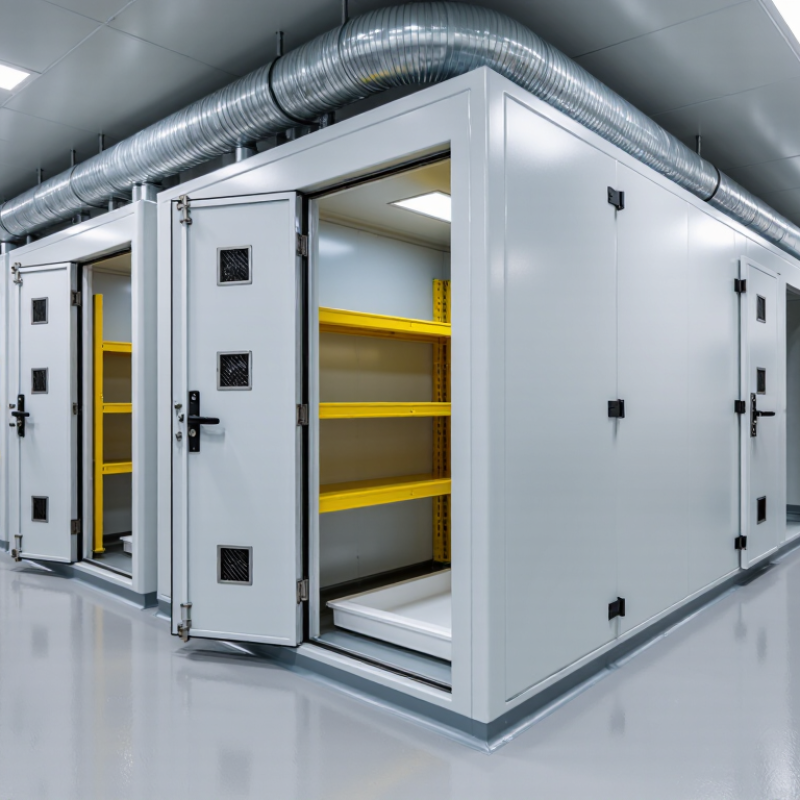
What Chemical Storage Cabinets Are and Why They Matter
What Chemical Storage Cabinets Are and Why They Matter
Chemical storage cabinets are engineered enclosures for separating hazardous liquids from ignition sources, incompatible materials, and everyday work areas. They commonly use double-wall steel, raised sills, adjustable shelves, and self-closing doors. The details matter. A cabinet is not a magic shield.
OSHA estimates that its Hazard Communication Standard affects about 43 million workers across 5 million workplaces. That scale shows why storage discipline cannot depend on memory alone. A clearly labeled cabinet reduces handling errors and keeps safety data sheets, container labels, and chemical inventories easier to manage. However, poor segregation can still create danger inside a well-built cabinet. Acids, bases, oxidizers, and flammable liquids often need separate storage decisions.
Capacity also has limits. OSHA 1910.106 generally allows up to 60 gallons of Class I, II, and IIIA flammable liquids in one cabinet, with up to 120 gallons of Class IIIB liquids. Local requirements may be stricter. Always verify them.
Inspect the cabinet monthly. Look for corrosion, damaged hinges, leaking containers, blocked vents, and overloaded shelves. Keep containers closed and place heavier bottles low. Small mistakes accumulate. In my experience, the weakest point is often not the steel; it is an unclear inventory. A cabinet may pass inspection today, yet become unsafe when new chemicals arrive without a revised segregation plan.
Main Types of Chemical Storage Cabinets Made in China
China Best Chemical Storage Cabinet Manufacturers?
China produces several practical types of chemical storage cabinets for laboratories, factories, schools, and maintenance areas. Flammable liquid cabinets usually use steel construction, adjustable shelves, grounding points, and self-closing doors. Corrosive chemical cabinets often use polypropylene or coated steel to resist acid and alkali vapors. Some facilities choose ventilated cabinets when vapor control is necessary, while others prefer sealed designs to reduce exposure. Fire-resistant cabinets provide extra protection during emergencies, but their performance depends on tested materials and correct installation.
Outdoor chemical cabinets usually include weather-resistant coatings, raised bases, and lockable doors. Combination cabinets can separate incompatible containers with different compartments. This sounds convenient. However, mixed storage still requires careful chemical compatibility review. In factory inspections, I have seen cabinets overloaded with heavy bottles. Shelf capacity matters more than appearance. Buyers should check load ratings, hinge quality, spill containment, labeling space, and replacement-part availability. Manufacturer experience also matters, especially when custom sizes or internal separation are required.
Tips: Match the cabinet type to the chemical hazard, room conditions, and storage volume. Request material details, test reports, drawings, and installation guidance before purchasing. Keep acids, bases, oxidizers, and flammable liquids separated according to workplace procedures. Do not rely only on color labels. Local fire, occupational safety, and environmental requirements may differ, so confirm them with a qualified safety professional.
How to Evaluate Chinese Chemical Cabinet Manufacturers
Choosing the best chemical storage cabinet manufacturer in China requires more than comparing prices. Evaluate the factory’s experience with steel thickness, fire-resistant construction, ventilation, and spill containment. Ask for material specifications, weld photographs, and recent production records. A dependable manufacturer should explain how each cabinet is tested before shipment. Request load tests for shelves, door-cycle tests, and coating adhesion results. Clear documentation shows professional control.
Tips: Visit the factory, physically or through a live video call. Check cutting equipment, welding areas, powder-coating lines, and final inspection stations. Ask whether serial numbers connect cabinets with inspection records. Verify certificates with the issuing organization, not only with sales staff. Small details matter, such as smooth hinges, sealed corners, and shelves that remain level under weight.
Communication also reveals reliability. The manufacturer should answer technical questions without avoiding weak points. Confirm dimensions, packaging methods, replacement parts, and response times in writing. A sample cabinet can expose problems that drawings hide. Look closely at door alignment and coating damage after transport. No supplier is perfect, and early samples may require adjustments. That is not automatically a failure. Refusing to discuss corrections is more concerning. Compare several factories using the same checklist, then select the one offering consistent evidence, realistic claims, and traceable quality controls.
How to Evaluate Chinese Chemical Cabinet Manufacturers
This illustrative chart assigns a 100-point evaluation weighting to practical criteria. It is a suggested buyer’s framework, not survey data or a rating of specific manufacturers. Verify applicable standards, test reports, materials, and service claims for each product.
Key Safety Standards, Materials, and Quality Checks
A dependable chemical storage cabinet is judged by its test evidence, not its painted finish. For flammable-liquid cabinets, check whether the design was tested to UL 1275 or the applicable local standard, and request the test report. EN 14470-1 classifies fire resistance at 15, 30, 60, or 90 minutes. That rating matters: it describes tested performance, not a promise that every fire scenario is controlled. Ask which cabinet size, door configuration, and ventilation setup the report covers.
Materials deserve close inspection. A steel shell should have sound seams, corrosion-resistant coating, and doors that close and latch without force. For corrosive chemicals, verify that shelves, liners, and sump surfaces resist the specific stored substances; “chemical resistant” is not a useful specification by itself. Check the safety data sheets before selecting materials. Small details count. Inspect welds, hinges, grounding points, and the sump for sharp edges, gaps, or coating damage. A supplier’s quality plan should document incoming material checks, dimensional inspection, and functional testing of each door and latch. Ask for traceable records and a sample inspection report.
Standards do not replace careful site assessment. OSHA’s 29 CFR 1910.106 sets requirements for flammable-liquid storage and handling in covered workplaces, while NFPA 30 provides widely used guidance for flammable and combustible liquids. Confirm that cabinet capacity, labeling, ventilation decisions, and placement fit the facility’s risks and local requirements. One uncomfortable question remains: will staff keep the cabinet closed and uncluttered after installation? A technically compliant unit can still be poorly managed.
How to Select and Source the Best Chinese Manufacturer
Selecting a Chinese chemical storage cabinet manufacturer requires more than comparing export prices. The International Labour Organization estimates that 2.78 million workers die annually from work-related causes, with about 374 million suffering non-fatal injuries. Storage decisions deserve serious evidence. Request material certificates, welding photographs, salt-spray test results, and fire-resistance reports. Check whether the cabinet follows relevant requirements, such as OSHA 1910.106, NFPA 30, or EN 14470-1, depending on the destination market. Standards are not interchangeable.
A reliable supplier should explain steel thickness, door construction, spill containment, ventilation, grounding, and load capacity in plain language. Ask for an independent laboratory report, not only an internal inspection sheet. Audit the factory through a live video call or an accredited third party. Look for powder-coating defects, uneven door gaps, weak hinges, and missing labels. Small details reveal manufacturing discipline. ISO 9001 certification can support process control, but it does not prove cabinet fire performance. That distinction is often missed.
Request a pre-production sample and approve drawings before mass production. Confirm packaging with corner protection and moisture barriers; damaged cabinets are common after long sea transport. Compare total landed cost, including testing, duties, spare parts, and rejected units. A very low quotation may hide thinner steel or incomplete documentation. I would also ask for batch traceability. It feels excessive, perhaps, but one undocumented change can weaken an otherwise sound procurement decision. Use written acceptance criteria, and keep every revision.
 Skip to content