2026 Best Small Hose Clamps for Global Buyers Guide?
In the world of industrial and household applications, Small Hose Clamps play a crucial role. These essential tools secure hoses, preventing leaks and ensuring optimal performance. According to a recent industry report by MarketsandMarkets, the hose clamp market is expected to grow significantly, reaching a projected value of $3.1 billion by 2026. This growth indicates an increasing demand for reliable solutions in various sectors, including automotive, construction, and plumbing.
The design and material of small hose clamps are vital for their effectiveness. Whether using stainless steel, plastic, or other materials, each type has distinct advantages and limitations. Manufacturers face the challenge of balancing cost-effectiveness with quality. Sometimes, subpar products flood the market, leading consumers to question their choices. Understanding the specific application and requirements helps in selecting the right clamp.
Moreover, it's essential to recognize that not all small hose clamps are created equal. Some may fail under pressure or corrosion, which can have dire consequences. Reports suggest that improper usage contributes to around 25% of failure rates in hose clamps. Thus, educating buyers on proper selection and installation is crucial. As we explore the 2026 best small hose clamps, we aim to decode industry trends and highlight reliable options for buyers worldwide.
Overview of Small Hose Clamps: Types and Applications
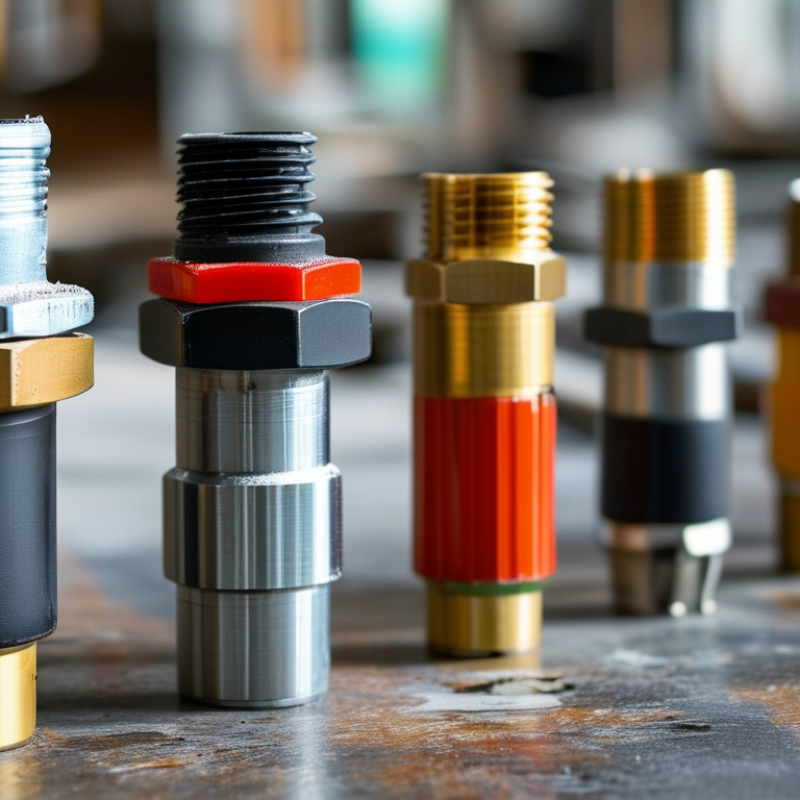
Hose clamps are essential fasteners in various industries. They secure hoses to fittings, preventing leaks and ensuring proper flow. The importance of using the right type cannot be overstated. Each clamp type serves specific applications, from automotive to plumbing.
There are several small hose clamp types. They include screw-type, spring clamps, and wire clamps. Screw-type clamps are adjustable and versatile, suitable for different hose sizes. Spring clamps are great for quick attachments, allowing for ease of use. Wire clamps are ideal for lightweight applications, offering simplicity and reliability. It's crucial to choose according to the required pressure and environment.
Nevertheless, not all hose clamps perform equally. Poor selection can lead to hose damage or pressure loss. It’s vital to consider factors such as material and size. A mismatch might result in clamp failure. It's a reminder that sometimes, the best choice isn't the most obvious one. Thorough research is key to avoiding costly mistakes in selection and application.
Key Materials Used in Small Hose Clamps: A Comparative Analysis
When selecting small hose clamps, material choice is crucial for performance and durability. The market predominantly utilizes stainless steel, plastic, and brass for clamp construction. Stainless steel, especially grade 304, offers excellent corrosion resistance and strength. Reports indicate that around 70% of clamps sold worldwide are made from this material, making it a reliable choice for diverse applications.
Plastic clamps are lighter and resist corrosion, making them suitable for low-pressure environments. However, they often lack the strength required for demanding tasks. In contrast, brass clamps provide solid performance but can corrode over time, depending on the environment. A comparative analysis found that while 60% of users prefer stainless steel, only 25% opt for plastic, and 15% use brass. This disparity highlights the trade-offs in material selection and the need for more nuanced understanding among buyers.
Ultimately, choosing the right material hinges on specific needs. Consumers must weigh factors like pressure, temperature, and exposure to elements. Even experienced users sometimes overlook these details, leading to premature failures. A thorough evaluation of the application will ensure better choices and long-lasting results.
Factors to Consider When Choosing Small Hose Clamps
When selecting small hose clamps, several factors come into play. Material selection is crucial. Stainless steel is popular due to its corrosion resistance. Plastic offers lightweight options, but may not withstand high temperatures. According to industry reports, stainless steel clamps account for about 60% of the market share. They are favored for durability and reliability in various applications.
Size and adjustability are also paramount. The clamp must fit the hose perfectly to avoid leaks. A poor fit can cause pressure loss and inefficient performance. Data indicates that improper sizes lead to approximately 15% of assembly failures.
Furthermore, the working environment impacts clamp choice. Exposure to extreme temperatures and chemicals can degrade materials. It's vital to consider these factors when evaluating options. Insights from engineering studies reveal that 80% of users prioritize compatibility and longevity in their selections. Choosing a hose clamp is not merely about fitting a hose; it requires careful thought and planning.
2026 Best Small Hose Clamps for Global Buyers Guide
| Diameter Range (inches) | Material | Maximum Torque (in lb-in) | Corrosion Resistance | Recommended Applications |
| 0.5 - 1.0 | Stainless Steel | 20 | Excellent | Automotive, Plumbing |
| 1.0 - 1.5 | Plastic | 15 | Good | Household, Garden |
| 1.5 - 2.0 | Zinc Plated Steel | 30 | Moderate | Industrial, HVAC |
| 2.0 - 2.5 | Aluminum | 25 | Excellent | Aerospace, Marine |
| 2.5 - 3.0 | Copper | 35 | Very Good | Electrical, Plumbing |
Top Brands for Small Hose Clamps in 2026: Market Review
Small hose clamps are essential tools in various industries. They are used to secure hoses in place, preventing leaks and ensuring safety. In 2026, buyers should consider the top brands that provide reliable and durable clamps. The quality of materials, design, and application are crucial factors.
When selecting a small hose clamp, it's important to think about the specific application. For low-pressure situations, a simple design may suffice. However, for high-pressure applications, you might need a more robust solution. Always inspect the clamps for any signs of wear. Small cracks can lead to significant problems later.
**Tips:** Always choose the right size. A poorly fitting clamp can cause leaks. Conduct regular maintenance checks, as even the best clamps can wear over time. Don't hesitate to consult user feedback. It provides valuable insights into the long-term performance of the clamps. Remember, an ill-thought choice today may lead to costly repairs tomorrow.
2026 Best Small Hose Clamps Market Overview
Tips for Proper Installation and Maintenance of Hose Clamps
Proper installation and maintenance of hose clamps are vital for long-lasting performance. According to industry reports, 30% of assembly failures arise from improper clamp installation. Ensuring correct installation helps prevent leaks and failures in fluid systems. It’s crucial to use the right size and type of hose clamp for your application. Over-tightening can cause material deformation while under-tightening may fail to secure the hose adequately.
Regular inspections of hose clamps are necessary. This can identify potential issues before they escalate. A study indicated that 25% of hose clamp failures result from wear and corrosion. Users should check for signs of rust or deterioration, especially in harsh environments. Additionally, cleaning debris from clamps and hoses can improve performance and longevity.
It is common to overlook the importance of proper clamping force. Many users might not realize this can affect the performance of the entire system. Inconsistent clamping can lead to uneven pressure distribution, increasing the risk of leaks. Paying attention to these details can significantly extend the lifespan of both the hoses and the clamps.
 Skip to content