
Skip to content

What Is the Best Stainless Steel Kitchen Sink in 2026?

A kitchen sink earns its place through years of daily use, not a polished showroom display. As design thinker William Morris famously wrote, “Have nothing in your houses that you do not know to be useful, or believe to be beautiful.” That principle fits the Stainless Steel Kitchen Sink: it should handle muddy vegetables, clattering pans, and hurried cleanup while complementing the room.

There is no single best model for every kitchen. Gauge, steel composition, bowl depth, sound control, finish, and installation style all affect performance and upkeep. A deep single bowl may suit large roasting trays, while a divided basin can make rinsing and food preparation easier. Small details matter. A sharp edge can catch grime; a brushed finish may make everyday marks less noticeable, though it will not hide everything.

This 2026 guide compares the features that shape real-world value, not just appearance. It explains what specifications mean, which trade-offs deserve attention, and how to match a sink to cooking habits, cabinet space, and budget. We also consider installation requirements and the care different finishes need. Some ratings can sound more definitive than they are. Your water, cookware, and cleaning routine may change the result, so use the comparisons as a practical starting point—not a promise that one sink suits everyone.
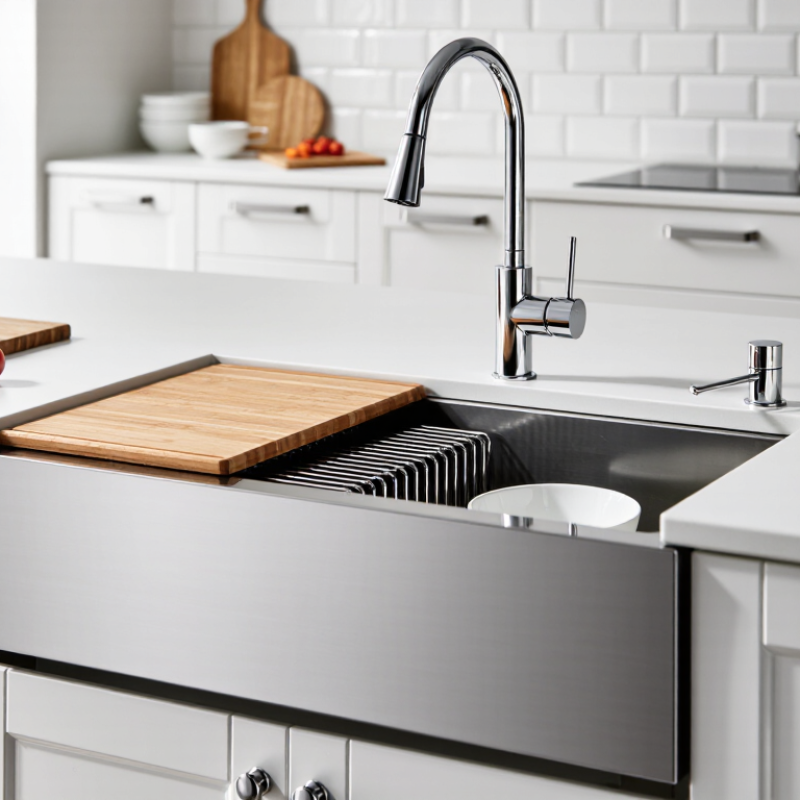
What Is the Best Stainless Steel Kitchen Sink in 2026?

How Stainless Steel Kitchen Sinks Are Made and Graded

A stainless steel kitchen sink starts as rolled sheet, then becomes a drawn bowl or welded panels. Deep drawing presses a metal blank into shape; tight corners and uneven forming can leave thin spots. Manufacturers may anneal the steel to restore workability, then pickle and passivate its surface to remove scale and support corrosion resistance. The sequence varies by construction method.

The grade describes alloy chemistry, not the whole sink. Type 304, often called 18/8, contains chromium and nickel; type 316 adds molybdenum for improved resistance to chlorides. Type 430 contains chromium but little or no nickel, so it behaves differently around corrosion and magnets. ASTM A240 covers stainless sheet composition and properties, but does not certify a finished sink’s sound control, finish, or workmanship. Worth remembering.

The World Stainless Association’s Stainless Steel in Figures 2024 reports 58.4 million metric tonnes of global stainless crude steel production in 2023. That scale says little about any one basin. Check the stated grade, sheet thickness, and whether seams are welded; lower gauge numbers usually indicate thicker sheet. A magnet test alone is unreliable: forming can make some austenitic steel slightly magnetic. Inspect the drain opening and bowl corners, too. Small details matter.

Which Factors Determine a Sink’s Quality and Durability

A stainless steel sink’s durability starts with its material, not its shine. Type 304 steel is common because its chromium and nickel content helps resist rust and everyday kitchen acids. Check the technical specification rather than relying on labels like “premium.” Steel thickness matters too. A lower gauge number generally means thicker steel, but comparing millimeters can be clearer when specifications differ. Small details matter.

Construction affects how the sink handles daily use. Look for smooth, even corners and cleanly finished edges, with no sharp seams around the bowl. A gently sloped base helps water reach the drain instead of leaving cloudy puddles. Sound-dampening pads can soften the clatter of a dropped spoon; a thin coating underneath may reduce condensation but does not necessarily quiet the bowl. Listen closely.

The finish influences both appearance and upkeep. A brushed surface can make small scratches less obvious, while a mirror polish may show fingerprints and water spots more readily. Deep bowls fit large pans, yet they can strain your back if the sink sits too low. I would not judge quality by thickness alone; that is an easy mistake. Drain placement, cabinet support, and how the sink fits your routine matter as well. Even a well-built sink needs ordinary care: rinse away salt, wipe standing water, and avoid abrasive pads that can dull the surface. A specification sheet helps, but it cannot answer every practical question.

How Bowl Design, Size, and Installation Affect Daily Use

A stainless steel sink earns its place through everyday fit, not appearance alone. A single deep bowl can hold a roasting pan, but it may leave you without a separate space for rinsing vegetables. A divided bowl helps separate tasks, though the divider can make wide cookware awkward. Rounded corners are easier to wipe than sharp ones, where crumbs and greasy water tend to linger. Small detail, big difference.

Tips: Measure the cabinet opening, not just the old sink. Check bowl depth, drain position, and faucet clearance before ordering. A sink that is too deep may crowd plumbing below. Ask the installer to confirm countertop support and mounting compatibility.

Installation affects noise, cleanup, and repair access. Undermount sinks create a smooth counter edge for sweeping crumbs in, but they need a suitable countertop and careful sealing. Top-mount models are often simpler to fit, although the rim can collect residue. Sound-dampening pads may soften the clatter of dishes; they will not make steel silent. There is no perfect layout. A sink that suits one household can feel cramped in another, especially when cooking gets busy.

How to Compare Stainless Steel Sinks for Different Kitchens

The best stainless steel sink in 2026 depends less on a single specification than on how your kitchen is used. Measure the cabinet opening before comparing sink dimensions; a wide, deep basin may not fit a compact base cabinet. A single bowl gives large pans room to lie flat, while divided bowls can make rinsing and food preparation easier. Think about your daily routine. Do you wash baking trays by hand, or mostly load a dishwasher?

Compare steel thickness, but do not judge quality by gauge alone. A thicker sink may feel sturdier, yet construction, finish, and support also matter. Look for a brushed surface if you want marks to blend in; even then, water spots can show in hard-water areas. Sound-dampening pads can soften the clatter of dishes, though they will not make a sink silent. Check the drain position, too: a rear or offset drain can leave more usable space below, but may complicate existing plumbing. Small detail. Big inconvenience. Installation style affects the counter edge and cleanup, so match it to your countertop and comfort with maintenance. I would compare real measurements and care instructions before trusting a feature list; it is easy to overvalue one specification.

What Is the Best Stainless Steel Kitchen Sink in 2026?

Compare common stainless steel gauges when choosing a sink for your kitchen.

Lower gauge numbers indicate thicker steel. The chart shows nominal U.S. standard sheet thicknesses: 16 gauge is about 1.519 mm, 18 gauge about 1.214 mm, and 20 gauge about 0.912 mm. Thicker steel may better resist dents, but sink construction, bowl design, installation, and sound insulation also affect performance.

What to Check Before Choosing a Sink in 2026

Before choosing a stainless steel kitchen sink in 2026, measure the cabinet opening, not just the old basin. Check the sink’s exterior width, depth, and mounting style against the available space. A deep bowl can fit large pans, but it may leave less room beneath the counter. Measure twice. Also confirm faucet-hole placement and whether the sink includes an overflow or accessories you actually need.

Look beyond the steel’s stated gauge. Thicker steel may feel sturdier, but construction, finish, and support underneath matter too. A brushed surface can make small scratches less obvious; sound-dampening pads may soften the clatter of dishes. Inspect the corners and drain area, where water and food residue tend to collect. A sink that looks roomy in a showroom can feel awkward if its basin is too narrow for your everyday cookware. That part is easy to overlook. Check the warranty terms and care instructions, then consider how much polishing you are willing to do. No specification tells the whole story, and a slightly imperfect fit can become a daily annoyance.

What Is the Best Stainless Steel Kitchen Sink in 2026? — What to Check Before Choosing a Sink in 2026

What to Check Useful Specification or Fact What to Look For Why It Matters
Stainless-steel grade Type 304 is a widely used kitchen-sink stainless steel, generally containing about 18–20% chromium and 8–10.5% nickel. Choose documented Type 304 for a strong balance of corrosion resistance and everyday suitability. Type 316 adds molybdenum and can offer better resistance to chlorides; Type 430 is typically less corrosion-resistant. Grade affects resistance to rust and staining. No stainless grade is completely rust-proof in every environment.
Steel thickness (gauge) Many residential sinks are made in roughly 16–20 gauge steel. Gauge numbers run in reverse: a lower number means thicker steel. Compare the stated gauge and the measured steel thickness, if available. A 16- or 18-gauge sink is a common choice when a sturdier feel is preferred. Thicker steel may feel more solid and can reduce drumming, but construction, support, and sound treatment also affect performance.
Bowl configuration Single-bowl sinks provide one large basin; double-bowl sinks divide the basin into separate work areas. Choose a single bowl for large cookware or flexible washing space. Choose divided bowls if you regularly separate washing and rinsing tasks. The best layout depends on cooking habits, available cabinet width, and the size of the items you wash.
Bowl depth and reach Residential bowl depths commonly fall around 8–10 inches, though dimensions vary by model and installation. Check the interior depth, sink height, and available space beneath the counter. Consider faucet reach and your comfortable standing and working posture. A deeper bowl can fit taller items but may require more bending and can reduce the clearance available below the sink.
Installation style Common styles include undermount, top-mount (drop-in), and apron-front. They require different countertop and cabinet arrangements. Confirm the cutout dimensions, countertop compatibility, cabinet width, mounting method, and whether the existing counter can support the chosen installation. A sink that does not match the cutout or cabinet can require countertop changes or additional installation work.
Sound control Some sinks include underside sound-dampening pads or a sound-absorbing coating. Check how much of the bowl is covered and whether the product details specify the material and placement. Treat sound treatment as one factor, not a guarantee of silence. Water flow and dishes can make metal sinks noisy; thickness, bowl shape, mounting, and dampening all influence sound.
Finish and upkeep Brushed and satin finishes are common. Stainless steel can develop fine surface scratches with normal use. Choose a finish you are comfortable maintaining. Follow the care instructions, wipe in the direction of the grain where applicable, and avoid steel wool and chlorine bleach. Care practices help reduce visible marks and lower the risk of surface damage or corrosion.
Drain and accessories Many North American kitchen sinks use a 3.5-inch drain opening, but sizes and fittings can vary by sink and location. Verify drain compatibility with the plumbing, strainer, and any garbage disposer. Check whether a rack, grid, or drain assembly is included or sold separately. Compatibility checks can prevent fit issues and unexpected accessory costs.
Warranty and documentation Warranty coverage differs by product and may distinguish manufacturing defects from normal wear, installation issues, or chemical damage. Read the written warranty, care guide, material description, and installation requirements before purchase. Clear specifications and terms make it easier to compare sinks and understand what is covered.

Practical all-around starting point: a documented Type 304 sink in 16- or 18-gauge steel, sized to the cabinet and chosen for the preferred bowl layout and installation style. Confirm exact measurements and care instructions before buying.