China Top 10 Silicone Mat Roll Manufacturers
Choosing a supplier for a Silicone Mat Roll involves more than comparing prices. Buyers may also need consistent thickness, clean edges, reliable curing, and rolls that unwind without curling sharply. These details matter on a production floor. A mat that looks suitable in a catalog may behave differently after repeated heating, washing, or cutting.
China has a broad manufacturing base, but suppliers can differ in materials, equipment, quality controls, and customization options. This guide introduces ten manufacturers for buyers to research, rather than treating any ranking as definitive. It outlines practical points to compare, including silicone specifications, available widths and lengths, surface finishes, packaging, sample policies, and communication during production. Where possible, buyers should request technical data and samples, then check whether the product suits their actual working temperature, contact conditions, and cleaning routine. Ask for evidence.
A useful supplier review also looks beyond product photos. Confirm how the manufacturer checks dimensions and handles batch consistency. Ask what information is available about material composition and intended applications. Clear answers can help reduce costly mismatches, though they do not guarantee a perfect order. No ranking is perfect. Supplier capabilities can change, and a strong fit for one application may be unsuitable for another. Use this overview as a starting point, verify details directly, and weigh documented performance alongside price and lead time. A little skepticism is healthy.
What Silicone Mat Rolls Are and How They Are Used
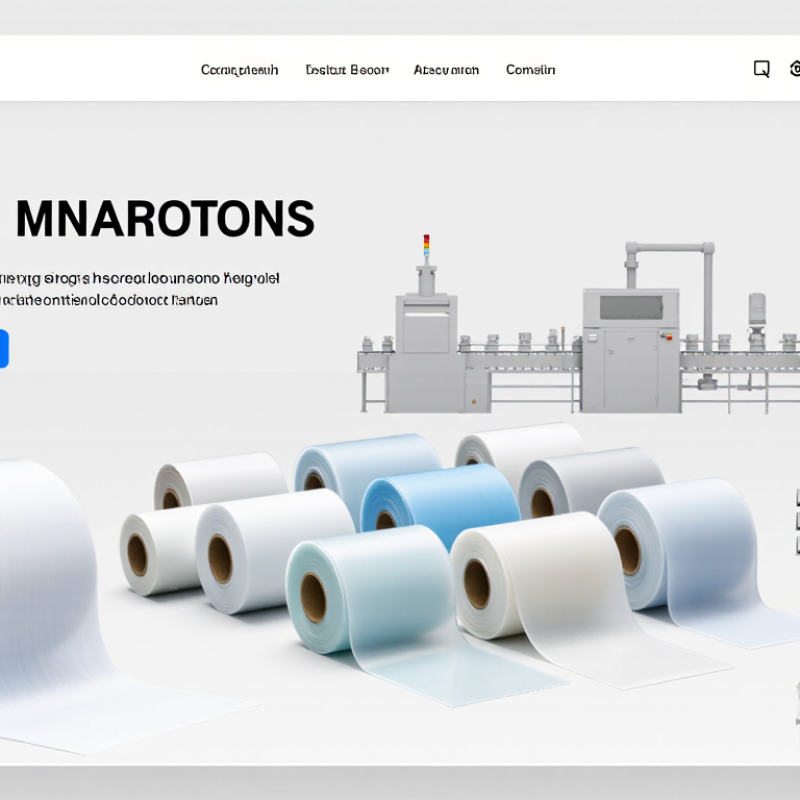
Silicone mat rolls are flexible sheets supplied in long lengths, allowing users to cut pieces for specific surfaces. Some are made from solid silicone, while others use silicone-coated fiberglass fabric. Their texture may be smooth, patterned, or slightly tacky, depending on the intended job. They resist moisture and tolerate heat, but performance varies by material and thickness. Not every roll is suitable for food contact.
In kitchens, cut sections can line trays, protect counters, or provide a reusable baking surface. A baker might trim a piece to fit a half-sheet pan, then wash it after cooling. In workshops, silicone rolls can cover benches and help keep small parts from sliding. They may also protect surfaces from splashes or brief contact with warm tools. Check the product’s temperature rating before use. Heat resistance is not unlimited.
For a practical fit, measure the surface and leave room around corners or moving parts. A roll can look uniform, yet small differences in thickness may affect how it lies flat. Avoid sharp blades against the mat during use, and clean it with methods suited to its material. Edges can curl if stored tightly for too long. That detail is easy to overlook. These mats are useful, but they are not a substitute for checking the application and care instructions.
How China’s Silicone Mat Roll Industry Is Structured
China’s silicone mat roll industry is best understood as a production chain, not a single factory type. Suppliers may handle compound mixing, calendaring, curing, cutting, and winding in-house. Others focus on converting large sheets into specified roll widths. These differences affect lead times, customization, and quality control. Some do. A tidy supply-chain diagram rarely captures every production bottleneck.
Supplier capabilities can vary, even when product listings look similar. Buyers can request material specifications, thickness tolerances, roll dimensions, and batch inspection records. Ask how the factory checks surface defects, such as bubbles or uneven edges. A sample roll helps assess flexibility and surface feel, but one sample cannot prove consistent production. Not always. It is worth comparing the sample with later production batches and clarifying who handles inspection.
Tips: Confirm whether quoted thickness is nominal or measured, and request the test method. Check core diameter, packaging, and labeling before shipment. Keep the agreed specifications in writing; small details can become costly misunderstandings.
China’s Top 10 Silicone Mat Roll Manufacturers
China Top 10 Silicone Mat Roll Manufacturers
China’s Top 10 Silicone Mat Roll Manufacturers is best treated as a sourcing shortlist, not a fixed ranking. A capable supplier should explain how its silicone mats are made and provide clear product specifications. Check roll width, thickness tolerance, surface texture, hardness, and stated temperature range. Small differences matter. A mat that curls at the edge or varies in thickness can cause problems during cutting and use.
Tips: Request a sample roll before ordering. Measure its thickness at several points, inspect the edges, and test whether it lies flat. Ask for technical data and quality-control records. Verify that documents match the exact material and intended application.
Look beyond a polished catalogue. Ask how the manufacturer controls mixing, curing, and roll winding, then compare the answers with the sample. Confirm minimum order quantities, lead times, packaging, and how defects are handled. Independent testing may be useful when performance requirements are strict. This takes time, and a sample cannot predict every production issue. Still, it is a practical check before committing to a large order.
How to Compare Manufacturers’ Products and Capabilities
When comparing silicone mat roll manufacturers, look beyond catalog photos. Ask for the silicone grade, thickness range, roll width, and documented tolerances. A difference of a few tenths of a millimeter can affect how a mat sits on a tray. Request samples from more than one production batch, not just a polished showroom piece.
Check how each supplier controls curing, surface finish, and roll tension. These details influence odor, release performance, edge curl, and storage. Test a sample with your actual dough, oils, or baking temperature. Then inspect it after repeated washing. Ask for test methods and relevant material documents, and confirm that they match your intended use. A neat sample can mislead. I would still question a supplier’s results if the testing conditions are unclear.
Production capability matters as much as material quality. Compare minimum order quantities, lead times, available widths, and options for cutting or custom packaging. Ask how defects are recorded and how a batch is traced back to its production date. A clear answer is useful; vague promises are not. Some buyers focus heavily on price and overlook inconsistent roll length. That can become an awkward cost later, especially when converting rolls into finished mats. Request a written specification and compare it against delivered samples before committing to a large order.
How to Choose a Silicone Mat Roll Manufacturer in China
When comparing China’s silicone mat roll manufacturers, look beyond polished catalogs and low quoted prices. A suitable factory should understand your intended use, roll dimensions, surface texture, and working temperature. Ask for a written specification covering thickness, width, hardness, and acceptable variation. Small details matter. A roll that looks even on a sample may behave differently after cutting or repeated heating.
Request samples from a normal production batch, not only a specially prepared piece. Check whether the mat lies flat, releases cleanly, and keeps its texture after your actual cleaning and use routine. Ask how the manufacturer controls raw material batches, curing conditions, and final inspection. Ask for evidence. Relevant test reports and clear material records are more useful than broad claims; confirm that any documents match the exact product you plan to order.
Communication deserves a practical test, too. Send a detailed drawing or target specification and see whether the response identifies missing information. Discuss lead time, minimum order quantity, packaging, and how defects are handled before paying a deposit. Factory visits or independent inspections can help verify equipment and workflow when the order is substantial. No checklist removes every risk. Even an experienced buyer can overlook a small tolerance issue, so keep written samples and approved specifications for later batches.
How to Choose a Silicone Mat Roll Manufacturer in China
Suggested evaluation weights for comparing manufacturers. These are decision-making guidelines, not survey results or market-share data.
Prioritize traceable materials and consistent dimensions, then confirm that the product meets your application’s temperature and food-contact requirements. Verify each capability with specifications, test reports, and samples before placing an order.
 Skip to content