Why Choose a Towable Boom Lift for Your Next Project?
When embarking on a new project, selecting the right equipment is crucial. Among various options, a Towable Boom Lift stands out. According to a recent industry report, equipment rental in the construction sector has seen a growth of 7.2% annually. This increase highlights the rising demand for versatile and efficient machinery.
Towable Boom Lifts offer unique advantages. Their portability enables quick relocation, making them ideal for projects with limited space. They also require less setup time than traditional lifts. Consequently, users can save on labor costs. However, not all projects will benefit from this type of lift. Users must assess the specific needs of their project carefully.
Moreover, the operational limits of a Towable Boom Lift can be a double-edged sword. While they are suitable for various heights, they may not provide the same capacity as larger lifts. As the landscape of construction evolves, the choice between different lift types requires careful consideration. Balancing efficiency and functionality remains a challenge for many project managers.
Advantages of Towable Boom Lifts Over Traditional Lifts
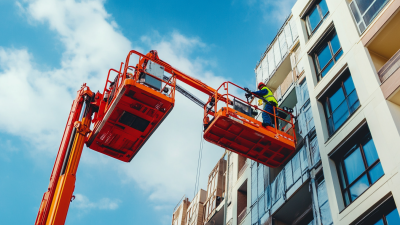
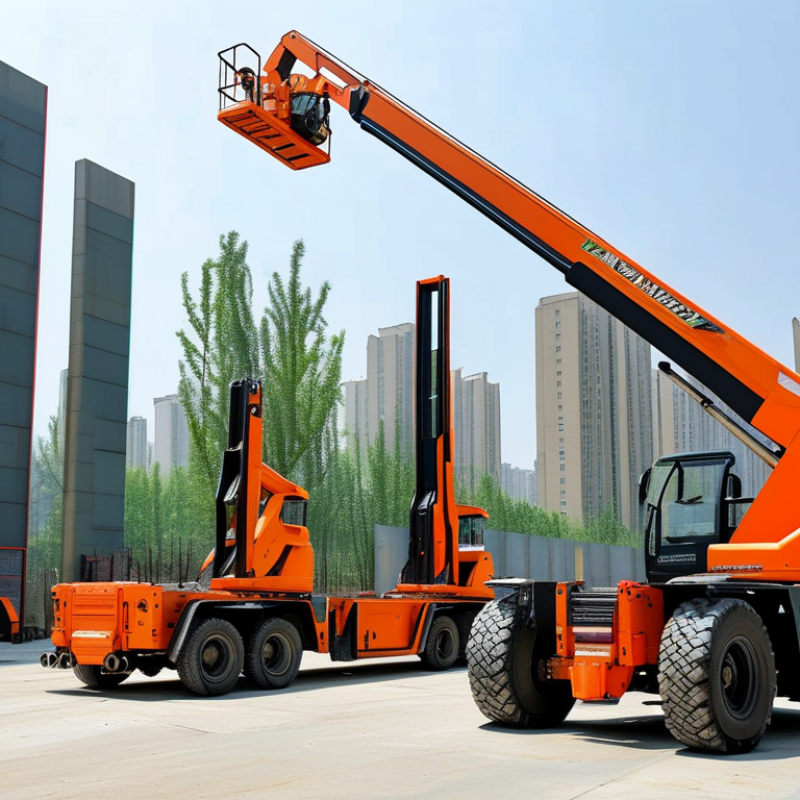
Towable boom lifts provide unique advantages for various projects. Their mobility is a key factor. Unlike traditional lifts, these units are transportable by vehicle, making them versatile for different job sites. Quickly relocating from one site to another saves time and effort. This feature is particularly valuable in urban environments with limited space.
Another benefit is their ease of setup. Towable boom lifts often require minimal tools to operate. In many cases, users can simply park and unfold them, allowing for immediate access to heights. This simpler process can lead to increased productivity. However, not all models are equally easy to operate. Users must familiarize themselves with specific features and controls, which can be a learning curve that needs consideration.
Cost-effectiveness is another advantage. Towable boom lifts typically have a lower rental cost than traditional lifts. They also consume less fuel, contributing to savings over time. On the downside, users may sometimes find these lifts less stable in certain conditions. Therefore, assessing the job requirements carefully is crucial to ensure safety and effectiveness.
Why Choose a Towable Boom Lift for Your Next Project? - Advantages of Towable Boom Lifts Over Traditional Lifts
| Feature |
Towable Boom Lift |
Traditional Lift |
| Mobility |
Easily towed by vehicle |
Requires setup and transport |
| Setup Time |
Quick setup in minutes |
Longer setup process |
| Cost |
Lower rental costs |
Higher rental costs |
| Height Reach |
Up to 50 feet |
Varies by model |
| Weight |
Lightweight and portable |
Heavy and less portable |
| Stability |
Offers good stability with outriggers |
Generally more stable |
Key Features to Consider When Selecting a Towable Boom Lift
When selecting a towable boom lift, it's essential to assess key features. One crucial aspect is the lift's reach and height capability. Determine the maximum height you need for your project. It's not just about reaching high places; it's about achieving precision in difficult areas. Verify specifications to ensure they meet your requirements.
Another important feature is weight capacity. Evaluate the maximum load the lift can safely support. This includes workers, tools, and materials. Overloading can lead to dangerous situations. Always consider who will be using the lift and what additional equipment they'll need. Choosing a lift with appropriate weight capacity guarantees safety and efficiency.
Power source is a factor not to overlook. Towable boom lifts can be powered by gasoline, electric, or even hybrid options. Understanding your project’s environment helps you choose the right power source. For outdoor sites, a gasoline model might be better, whereas electric lifts suit indoor work. Don’t ignore stability features; these determine how secure the lift will be on various terrains.
Choosing the right towable boom lift can be challenging, but paying attention to these features can ease the process. Reflections on previous projects often indicate the importance of these choices. Make informed decisions to ensure project success and worker safety.
Project Types That Benefit from Using a Towable Boom Lift
Towable boom lifts are versatile tools suitable for various project types. Construction sites often benefit from their ability to reach high areas safely. When working on roofing or upper-level installations, these lifts provide stability. Their compact size allows access to tight spaces that larger lifts cannot reach. This is especially useful for urban projects with limited ground space.
Maintenance tasks also benefit from using towable boom lifts. These lifts allow technicians to perform repairs on tall structures efficiently. Whether it's changing light bulbs or fixing signs, the mobility of these lifts saves time and labor. However, relying too heavily on one type of equipment may limit team flexibility. It's essential to assess the specific needs of each project.
Landscaping projects can utilize towable boom lifts effectively as well. Pruning tall trees or reaching high installations becomes simpler. This can enhance the overall aesthetics of public spaces. Yet, there are challenges such as uneven ground, which can impact stability. Being aware of these limitations is crucial for safety and efficiency. With proper planning and execution, towable boom lifts can serve as invaluable resources across various sectors.
Safety Guidelines for Operating Towable Boom Lifts
Operating a towable boom lift requires strict adherence to safety guidelines. According to the Occupational Safety and Health Administration (OSHA), falls account for the highest number of fatalities in construction. Ensuring proper safety measures can significantly reduce these risks. Regular inspection of the equipment before operation is critical. Buckling the safety harness correctly protects operators when working at heights.
Following manufacturer guidelines for weight limits is essential. Exceeding these limits can lead to instability and accidents. Industry data indicates that 25% of lift-related incidents occur due to overloading. Operators must also be trained in correct usage. The American National Standards Institute (ANSI) recommends safety training to promote awareness and operational competence. This practice can lead to a 50% reduction in mishaps.
Communication on-site cannot be overlooked. Establishing clear signals will help in alerting team members of potential hazards. Anecdotal reports suggest that workplaces with effective communication see fewer accidents. Additionally, dealing with unexpected issues remains a challenge. Preparing for changing conditions can add another layer of safety. Regular risk assessments will enable operators to adapt and ensure team safety.
Cost-Effectiveness of Towable Boom Lifts for Various Projects
Towable boom lifts offer a practical solution for a wide range of projects. Their cost-effectiveness is a key factor in choosing them for both small and large tasks. Renting a towable boom lift saves money compared to traditional lifts. The initial investment is lower, especially for short-term projects. Furthermore, maintenance costs are often minimal since most rentals include upkeep.
In addition to affordability, towable boom lifts are versatile. They are ideal for outdoor tasks, such as tree trimming or building maintenance. Their easy transportation allows you to move from site to site, reducing downtime. Some might find it challenging to operate these lifts efficiently, especially without prior training. It’s crucial to ensure your team is properly educated on safety protocols and equipment handling.
Availability and flexibility also contribute to their appeal. Many rental companies have a range of boom lift options. This variety allows you to select the right height and reach for your specific needs. However, without the right planning, unexpected delays may occur on site. Careful preparation and communication can help avoid these setbacks, ensuring a smoother workflow.
 Skip to content