Skip to content

How to Choose the Best Water Ring Vacuum Pump for Your Needs?

Choosing the right Water Ring Vacuum Pump can significantly impact your operations. These pumps are vital in various industries, from pharmaceuticals to food processing. Understanding their specific advantages and applications is crucial.

When selecting a Water Ring Vacuum Pump, consider several factors. The efficiency, maintenance requirements, and compatibility with your systems matter. A well-chosen pump can improve productivity and reduce costs. However, each application may demand different specifications.

Many users face challenges during this selection process. Misunderstanding pump capabilities can lead to inefficiencies. Seeking expert knowledge can prevent costly mistakes. Engaging with reliable suppliers also helps in making informed decisions. The questions you ask can make a real difference.
How to Choose the Best Water Ring Vacuum Pump for Your Needs?

Understanding the Basics of Water Ring Vacuum Pumps

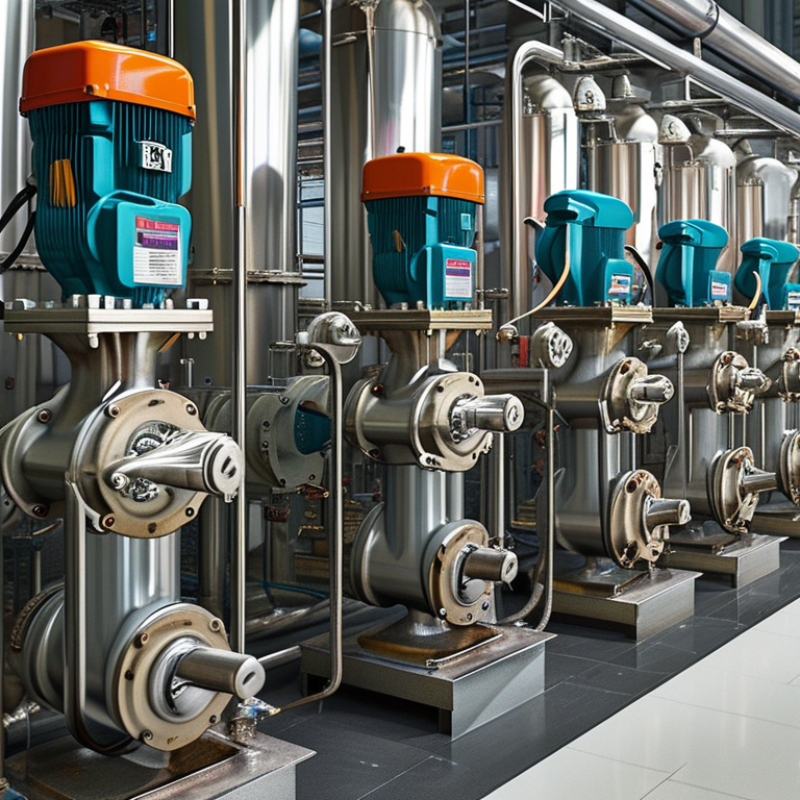
Water ring vacuum pumps are essential in many industrial applications. They operate by using water as a sealing fluid, creating a vacuum through the rotation of an impeller. This design allows for reliable performance, particularly in applications requiring low vacuum levels. According to industry reports, these pumps are known for their durability and efficiency. They offer a level of robustness that outperforms many conventional vacuum systems.

When selecting a water ring vacuum pump, it's essential to consider efficiency and maintenance needs. Studies indicate that energy consumption for these pumps can vary significantly. Using water as a sealing fluid may seem straightforward, but it introduces complexities, such as the need for continuous water supply and potential for fluid contamination. Regularly monitoring these factors is crucial. Even small variations in water quality can impact performance, underscoring the importance of diligent maintenance practices.

Each application may present unique demands. The capacity required, operating pressures, and the characteristics of the gases being evacuated all influence pump choice. Reports show that many operators overlook these specifications. They end up with a pump that doesn’t meet their system needs. Understanding these basics is vital for ensuring optimal operational efficiency. Engaging with experts in the field can provide further insight and help avoid common pitfalls in pump selection.

Comparison of Different Water Ring Vacuum Pump Specifications

This chart displays a comparison of the pumping speed, power consumption, and ultimate vacuum level of various types of water ring vacuum pumps to help you decide which suits your needs the best.

Key Factors to Consider When Selecting a Vacuum Pump

When selecting a water ring vacuum pump, several key factors should guide your decision. The application type is critical. Are you dealing with solids, liquids, or gases? Understanding the nature of your materials ensures compatibility and efficiency. Look for the pump's performance specifications, including ultimate vacuum and water consumption. These metrics help evaluate how well the pump meets your specific needs.

Efficiency is another essential aspect. Energy consumption not only affects operating costs but also the environmental footprint. A less efficient pump may lead to higher energy bills over time. Additionally, consider the pump's noise levels. Some models can be extremely loud, which might not be suitable for all environments.

Reliability is paramount in any vacuum pump. Read reviews and seek testimonials from owners. Their experiences can provide insight into long-term performance and maintenance needs. It's also wise to think about future scalability. If your needs change, can the pump adapt? Balancing performance with projected growth is crucial. While selecting a pump, always stay informed about technological advancements and evolving industry standards.

Evaluating Pump Performance Specifications for Your Needs

When selecting a water ring vacuum pump, understanding performance specifications is vital. Look for parameters like ultimate vacuum, flow rate, and power consumption. Ultimate vacuum indicates how efficiently the pump can remove gas. A lower number is better, but balance this with flow rate for your application. Too high of a vacuum might lead to increased energy use, which isn’t always practical.

Flow rate is equally important. It determines how quickly the pump can evacuate a chamber. A mismatched flow rate can result in inefficiencies. As demands change, consider how easily the pump can adapt to varying operational conditions. Also, noise levels can influence your choice. Quiet operation matters in environments where sound is a concern.

Evaluating energy efficiency is crucial. An inefficient pump can lead to higher operational costs and increased environmental impact. Check if the pump model has a good track record in your field. Reading user reviews and seeking expert opinions can highlight potential issues. Don’t solely rely on specifications provided by manufacturers; real-world performance can differ.

How to Choose the Best Water Ring Vacuum Pump for Your Needs? - Evaluating Pump Performance Specifications for Your Needs

Specification Description Importance
Pumping Speed Volume of gas the pump can handle per unit time (e.g., m³/h) High speed is crucial for efficient operation in large applications.
Ultimate Vacuum The lowest pressure the pump can achieve (e.g., mbar or torr) Essential for processes requiring deep vacuum conditions.
Motor Power Power output of the pump motor (e.g., kW or horsepower) Adequate power ensures reliable operation and longevity of the pump.
Noise Level Decibel (dB) level of the pump during operation Important for workplace comfort and regulatory compliance.
Cooling System Type of cooling (air-cooled or water-cooled) Affects pump efficiency and maintenance needs.
Material Compatibility Materials used in the pump's construction Critical for preventing corrosion or degradation in specific applications.
Maintenance Interval Recommended time frame for servicing the pump Regular maintenance extends the lifespan of the pump.
Weight Total weight of the pump (e.g., kg or lbs) Weight can influence installation and portability considerations.

Assessing Maintenance and Operating Costs of Vacuum Pumps

When evaluating vacuum pumps, maintenance and operating costs play a crucial role. Understanding these costs can help businesses make informed decisions. Regular maintenance ensures optimal performance and extends the life of the pump. Neglecting maintenance might lead to increased wear and tear. This results in unexpected repairs and downtime.

Operating costs often include power consumption and water usage. Water ring vacuum pumps are generally energy-efficient. However, they still require adequate water supply for smooth operation. Insufficient water can affect performance and increase costs. Additionally, consider potential fluctuations in energy prices. It's essential to assess your specific requirements before making a decision.

Choosing a vacuum pump should be a thoughtful process. It involves weighing the initial investment against long-term costs. Unexpected maintenance needs can impact budgets. Business owners should also evaluate the skill level of their staff. Misuse or lack of understanding can lead to increased operating expenses.

Comparing Brands and Models: What You Need to Know

When selecting a water ring vacuum pump, it’s crucial to understand the various brands and models available. Many factors influence the performance and suitability of these pumps, such as the nature of your application, required vacuum level, and budget constraints. According to the Vacuum and Pump Technology Association, over 60% of facility managers report that insufficient knowledge about pump specifications leads to suboptimal performance in vacuum systems.

For instance, consider how the displacement rate affects efficiency. Higher displacement often means faster performance but may require more energy. Evaluate brands based on efficiency ratings, which can vary significantly. Research from industry experts indicates that energy-efficient pumps can lower overall operational costs by 15% to 20%.

**Tips:** Always read user reviews to gain insight into reliability and ease of maintenance. Also, compare warranty offerings as they often reflect the manufacturer's confidence. It's also wise to assess the availability of parts and technical support. Lastly, consider that some brands may offer advanced features that aren't crucial but could enhance user experience. Balancing your needs against these options is essential for informed decision-making.