Why Choose a Portable Water Well Rig for Your Needs?
A Portable Water Well Rig offers a practical solution for various water needs. For homeowners in remote areas, having reliable water access is crucial. Traditional drilling methods may be costly and time-consuming. A portable rig simplifies this process, making it accessible to more people.
These rigs are designed for flexibility. They can adapt to different terrains, ensuring effectiveness in various locations. This versatility attracts farmers who need water for irrigation during dry seasons. Moreover, a Portable Water Well Rig often requires less manpower, which is a significant advantage.
However, not all portable rigs are created equal. Some may lack the durability required for extensive use. Potential buyers should research and consider their specific needs before purchasing. Making an informed decision ensures the rig will perform effectively in the long run. Investing in the right equipment can yield lasting benefits and reliable water access.
Benefits of Using a Portable Water Well Rig for Drilling Applications
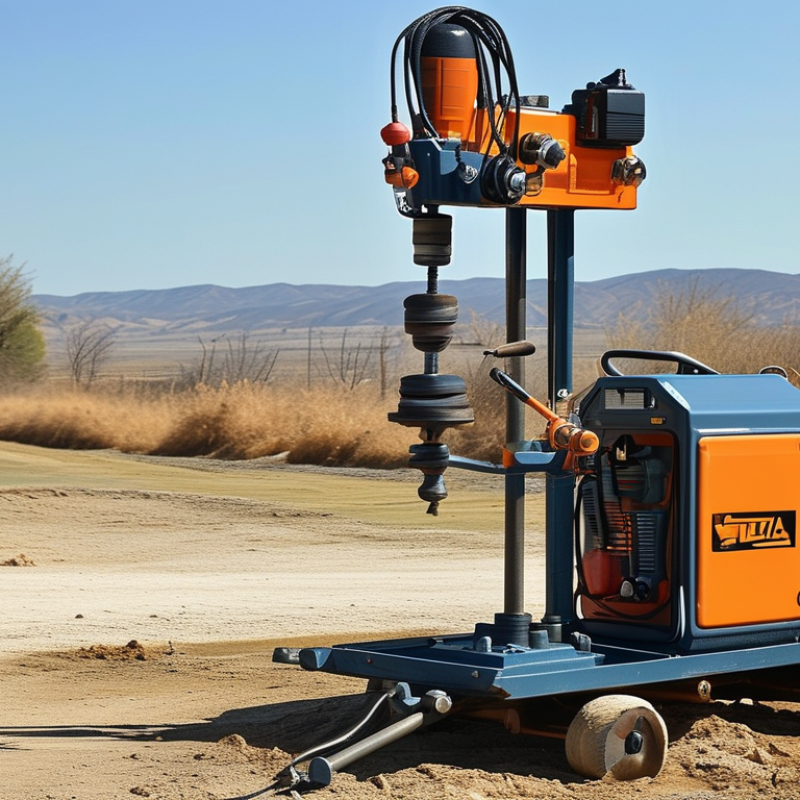
Portable water well rigs offer several advantages for drilling applications. They are designed for versatility and convenience. According to industry reports, over 70% of small to medium-scale projects prefer portable solutions due to their cost-effectiveness. With the ability to easily transport these rigs, operators can access remote locations without needing extensive infrastructure.
Efficiency is another critical benefit. Many portable rigs can drill deeper and faster compared to traditional setups. Research indicates that projects using portable rigs can reduce drilling time by up to 30%. This speed can significantly impact project timelines and budget allocation. However, it's essential to consider that not all portable rigs can handle extreme conditions effectively, requiring thoughtful selection based on specific needs.
Moreover, the ease of operation is notable. Many models require fewer operators, thus lowering labor costs. Some reports highlight a 20% decrease in workforce requirements for certain portable rigs. Yet, the trade-off may come in the form of limited capabilities in challenging geological formations. Operators must weigh these factors carefully to ensure effective planning and execution.
Key Features to Look for in a Portable Water Well Rig
When choosing a portable water well rig, focus on key features that enhance its usability. Portability is essential. Look for lightweight models that are easy to transport. A compact design can make a significant difference. Ease of setup is also crucial. Quick assembly saves time and effort, especially in remote areas.
Durability cannot be overlooked. Materials should withstand tough environments. Quality craftsmanship ensures longevity. Rig designs should also include user-friendly controls. Intuitive systems enhance operator efficiency. Consider models with a reliable hydraulic system. This aspect directly affects drilling capacity and speed.
Another important feature revolves around versatility. A good rig should adapt to various soil types and depths. Check for options that allow for different drill bits. This flexibility can be invaluable in achieving your needs. Maintenance requirements should be manageable as well. Regular upkeep ensures your rig always performs its best. Investing in knowledge about these features can significantly improve your well-drilling experiences.
Comparison of Portable Water Well Rigs vs. Traditional Drilling Methods
Portable water well rigs offer advantages over traditional drilling methods. A report from the National Ground Water Association states that about 70% of new wells are completed using portable rigs. This rise is attributed to their efficiency and lower operational costs. Traditional drilling requires heavy machinery, long setup times, and multiple workers. In contrast, portable rigs are lightweight, can be transported easily, and are often operated by a single person.
While traditional methods might seem more established, they come with limitations. A 2021 industry survey indicated that portable rigs can reduce drilling time by 30-50%. Additionally, they are less invasive to the environment. Improved technology has made these rigs reliable, yet some users might overlook crucial maintenance.
Neglecting regular checks can lead to breakdowns and costly delays.
Tips: Always check your portable rig before use. Regular maintenance prevents issues. Understand the site conditions thoroughly for better results. It's essential to evaluate the specific needs for your project to determine the best drilling method.
Factors to Consider When Choosing the Right Portable Water Well Rig
Choosing the right portable water well rig involves several critical factors. One significant aspect is the rig's drilling capacity. Many models can drill to depths of over 1,000 feet, making them suitable for various conditions. However, not all rigs are created equal. A study by the National Ground Water Association states that nearly 70% of unsuccessful wells are due to inappropriate rig selection.
Mobility is another vital consideration. Portable rigs are designed for accessibility in rural or remote areas. Their lightweight structure enables easy transportation. This flexibility enhances efficiency, as a well can be drilled without extensive setup. Data indicates that proper mobility can reduce drilling time by about 30%, highlighting its importance.
Lastly, consider the operating costs. Fuel efficiency and maintenance play significant roles in long-term expenses. According to industry reports, inefficiencies can lead to a 15% increase in operational costs. It’s worth reflecting on whether your chosen rig aligns with your budget and operational needs.
Maintenance and Care Tips for Portable Water Well Rigs
Maintaining a portable water well rig is essential for optimal performance and longevity. Proper care can significantly extend the life of your equipment. Industry reports indicate that regular maintenance can reduce operational costs by up to 30%. This is crucial for businesses relying on these rigs for sustainable water solutions.
Tips: Clean the rig after each use. Dust and debris can wear down components over time. Checking for leaks regularly is vital. A small leak can lead to major issues later.
Another important aspect is lubrication. Regularly lubricate moving parts to prevent rust and corrosion. According to a study by the Water Well Journal, 45% of well rig failures are due to inadequate lubrication. Operators should also inspect electrical connections and ensure they are secure. Faulty connections can lead to unexpected shut-downs.
Tips: Keep a maintenance log. Documenting repairs helps identify patterns and predict future issues. Don’t ignore warning signs; address them promptly to avoid costly repairs. Proper maintenance ensures reliability, protecting both your investment and vital water resources.
Maintenance and Care Tips for Portable Water Well Rigs
 Skip to content