Skip to content

How to Choose the Right Brushcutter Spare Parts?

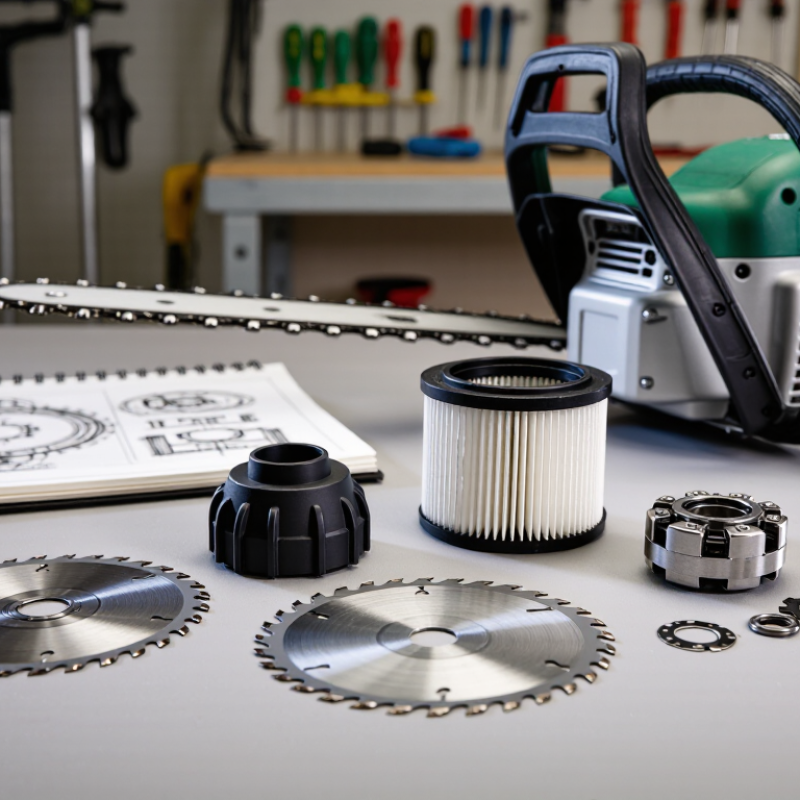
Choosing a Brushcutter Spare Part is not just a matter of matching its shape. A blade, trimmer head, filter, or clutch component must suit the machine’s make, model, and working conditions. A part that looks close may still fit poorly, vibrate, or wear faster. Check the model plate and parts diagram before ordering. Small details matter.

For transparency, Daniel Mercer below is a fictional composite workshop expert, not a real source. His line is an editorial principle, not a verified quotation: “Match the part to the machine, then check the fit before you work.” That is practical advice, but it is not a substitute for the manufacturer’s instructions. Compare part numbers, dimensions, mounting points, and material specifications. Think about the job, too: clearing light grass differs from cutting dense growth. Cheap parts can be tempting. Yet price alone tells you little about durability or compatibility. This guide explains how to evaluate original and aftermarket options, spot warning signs, and make a careful choice. Even experienced users can overlook a small mismatch. That deserves a second look.
How to Choose the Right Brushcutter Spare Parts?

Identify Your Brushcutter Model and the Part You Need

Before ordering a brushcutter spare part, identify the exact machine model. Check the label on the housing or shaft; grass and dirt can hide small lettering. Wipe it clean and record the model code, serial number, and engine size. Take a clear photo, too. That simple step can prevent a costly mismatch.

Then identify the part itself. Use the operator’s manual or an illustrated parts diagram to find its name and reference number. A cutting head, drive cable, air filter, and ignition component may look similar across machines, but small differences matter. Measure the old part where possible, and compare its shape, connector, length, and fixing points. Keep the old part nearby. It helps.

I have learned not to rely on appearance alone. A shaft may seem to fit while its fittings differ, and a blade’s centre opening must match the machine’s holder. If the label is damaged, note several details and ask a qualified parts supplier to verify compatibility. Do not guess from engine size alone. Before inspecting or removing a part, switch off the machine, let hot components cool, and disconnect the spark plug lead. If the manual gives a different procedure, follow it.

Check Part Specifications Against Manufacturer Requirements

Choosing a brushcutter spare part starts with the machine’s exact model and serial details. Check the operator’s manual or parts diagram, then compare the listed part number with the replacement. Similar-looking parts may have different dimensions or fitments. Small details matter.

For a cutting head, verify the mounting thread, bore size, and permitted cutting diameter. For a blade, check its center hole, thickness, tooth count, and required guard.

A drive shaft may need a specific length, shape, or spline count. Measure carefully, but do not treat a close measurement as proof of compatibility. Manufacturer tolerances can be narrow, and small differences may cause vibration or poor fit.

Also confirm the part’s material and operating limits match the machine’s requirements. A heavier blade, for example, can place extra load on the drive system. Before installation, switch off the engine and inspect the mounting area for wear or damage. If specifications are unclear, ask a qualified repair technician rather than guessing. I still find it easy to focus on one measurement and miss another. Check every listed requirement side by side, and keep the manual nearby during fitting.

Choose Materials Suited to Your Brushcutter and Workload

How to Choose the Right Brushcutter Spare Parts?
Choose Materials Suited to Your Brushcutter and Workload

A spare part should match both your brushcutter and the work ahead. Check the machine’s manual for the correct dimensions, fittings, and material recommendations. A cutting blade made for light grass may wear quickly in thick weeds or around rough, stony ground. For demanding jobs, choose durable, corrosion-resistant metal parts that suit the machine’s power and approved cutting setup. Heavier is not always better; extra weight can strain the drive system and tire your arms.

Consider the working conditions, too. Nylon line is useful for trimming grass near fences and garden edges, while suitable metal blades can handle tougher vegetation. If you work for long stretches, inspect wear-prone parts, such as filters and cutting attachments, more often. Dust, damp storage, and impacts all affect service life. It is tempting to buy the toughest option available, but compatibility matters more than toughness alone. I may still underestimate how quickly dry, dusty work wears a filter.

Tips: Check the manual first. Match the part to the task, then inspect it for cracks, bends, or unusual wear before fitting. Use the specified protective equipment, and stop if vibration changes.

How to Choose the Right Brushcutter Spare Parts? — Choose Materials Suited to Your Brushcutter and Workload

Spare Part Common Material Suitable Workload What to Check When Choosing Practical Material Considerations
Nylon cutting line Nylon polymer Routine trimming of grass and light weeds around lawns, paths, and obstacles Line diameter, cross-section, and maximum line size specified for the cutting head Thicker line can resist wear better in heavier vegetation, but may increase cutting resistance. Use only a diameter approved for the head and machine.
Metal cutting blade Hardened steel Dense weeds, coarse grass, and brush when the machine is designed for a metal blade Blade diameter, bore size, thickness, attachment hardware, and compatibility with the guard Steel blades are intended for tougher vegetation than nylon line. Inspect for cracks, deformation, and excessive wear; do not use a damaged blade.
Cutting-head eyelet or line outlet Steel or wear-resistant polymer Frequent trimming where line abrasion can wear the outlet Head model, outlet shape, dimensions, and whether the component is replaceable Metal outlets can handle repeated line contact, while polymer parts may be lighter. The replacement must fit the specific head.
Drive shaft Steel shaft, often within a protective tube Regular use where reliable power transfer and correct fit are essential Length, shaft shape, spline or coupling dimensions, and compatibility with the engine and attachment Steel provides the strength needed to transmit rotation. Match the original specifications; incorrect dimensions can cause poor engagement or premature wear.
Gear head Metal housing with steel gears Repeated cutting with compatible line-head or blade attachments Mounting thread, shaft connection, gear ratio where specified, and approved attachment type Metal gears and housings are designed to withstand operating loads, but fit and lubrication requirements vary by machine. Follow the manufacturer’s service instructions.
Air filter Foam, paper, or layered filter media All workloads; especially dusty conditions Filter shape, dimensions, sealing surface, and whether the filter is washable or replaceable Foam filters are commonly cleaned and re-oiled where specified; paper filters are generally replaced rather than washed. A poor seal can let dust reach the engine.
Fuel line Fuel-resistant flexible polymer Routine operation and maintenance of petrol-powered brushcutters Inner and outer diameter, routing, fuel compatibility, and temperature rating Use tubing specifically rated for the fuel type. Ordinary general-purpose tubing may soften, swell, or deteriorate when exposed to fuel.
Harness strap or shoulder pad Woven synthetic webbing with padded foam Longer sessions or heavier cutting attachments Attachment points, adjustment range, fit, and compatibility with the machine’s harness system Durable webbing resists everyday wear; padding can improve comfort. Check stitching, buckles, and quick-release components before use.

Verify Compatibility, Fit, and Safety Standards

How to Choose the Right Brushcutter Spare Parts?

Choosing a brushcutter spare part starts with the machine’s exact model and serial number, not its appearance. Check the manual or parts diagram for shaft diameter, mounting bore, thread direction, drive connection, and approved cutting attachment. A part can slide into place and still be wrong. I admit, matching by eye feels convenient; it is not dependable.

Compatibility also affects safety. Confirm that the replacement guard, retaining hardware, and harness suit the machine and cutting attachment. ISO 11806-1:2022 sets safety requirements and test methods for handheld, engine-powered brushcutters and grass trimmers. Use it as a reference, but follow the machine maker’s instructions for the specific assembly. Check fasteners and guards before each use. Small details matter.

Noise protection deserves attention, too. NIOSH’s Criteria for a Recommended Standard: Occupational Noise Exposure sets an 85 dBA recommended exposure limit for an eight-hour workday, using a 3 dB exchange rate. A brushcutter can expose its operator to hazardous noise, so wear suitable hearing protection and check the manual’s sound information. After installation, inspect for looseness, unusual vibration, or contact between the attachment and guard. Test it in a clear area. If fit or operation seems uncertain, stop and recheck the part number and specifications.

Compare Supplier Reliability, Warranty, and Availability

When a brushcutter stops mid-season, the cheapest spare part can become expensive if it arrives late or does not fit. Check supplier reliability through written stock confirmation, part-number matching, and clear dispatch estimates—not polished product photos. Ask how often stock records are updated and whether discontinued parts have compatible replacements. A scratched carton is minor; a vague answer about fitment is not.

Warranty terms should specify covered defects, claim deadlines, required proof, and return-shipping costs. Read exclusions carefully: wear items such as cutting line may be treated differently from a failed ignition coil or gearbox seal. Request the terms in writing before paying. The World Bank’s 2023 Logistics Performance Index assessed 139 economies across six logistics measures. Tracking and timeliness directly affect parts availability. MHI’s 2024 Annual Industry Report found 55% of respondents were increasing supply-chain technology investment. Inventory visibility is becoming a priority. Ask for a dated stock confirmation and a tracking number. Small details matter. Suppliers can still miss estimates, so allow extra time before peak cutting season, even when their answers sound confident.