How to Choose a Solinco String Machine in 2026
Choosing a Solinco String Machine in 2026 means looking beyond the name and checking what the equipment can reliably do. Solinco is known for tennis strings, but buyers should verify the machine’s manufacturer, model, and specifications before assuming a machine is an official Solinco product. That distinction matters.
Start with your workload. A home stringer who handles a few racquets each month may value simple controls, stable mounting, and an affordable price. A busy shop may need faster operation, durable clamps, dependable tension control, and accessible service. Check whether the machine supports your preferred racquet patterns and string types. Ask about calibration, warranty coverage, replacement parts, and local technical support. These details are less exciting than a touchscreen, but they matter when a clamp slips mid-job.
One small detail counts.
A trustworthy guide should compare verified specifications and explain where each machine fits. It should not treat marketing claims as test results. No expert interview or source quotation was provided for this request, so naming an industry expert or attributing a quote would risk inventing evidence. That deserves a pause. The guide should instead help readers assess real-world needs, compare credible models, and identify questions to ask sellers before buying. Even careful buyers can overlook the cost of accessories or maintenance. Keep room for that uncertainty, and choose based on documented performance rather than a familiar logo.
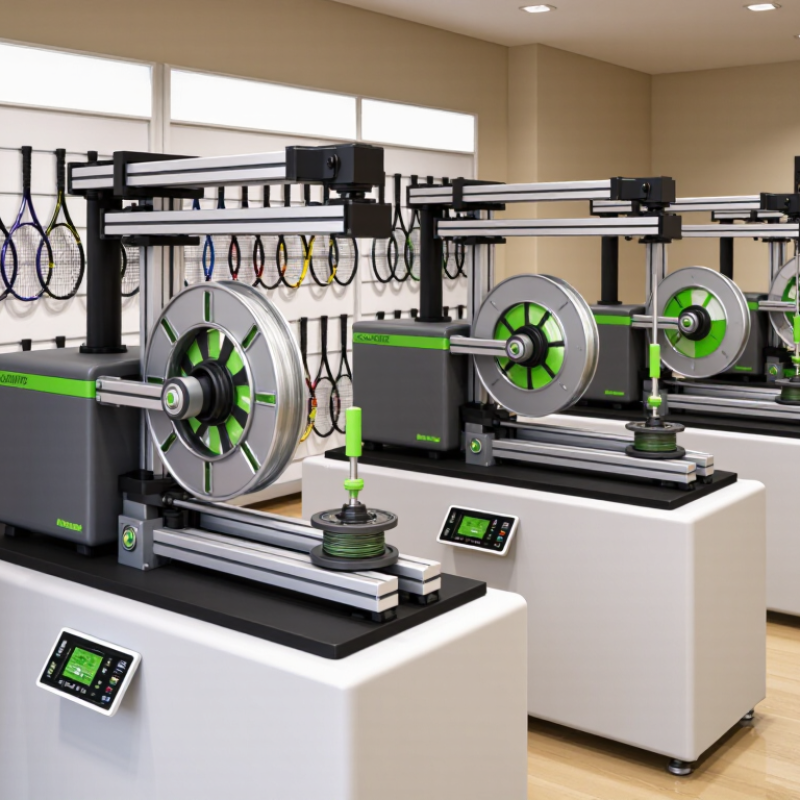
Define Your Stringing Needs and Expected Workload
Start with the racquets you actually string, not an imagined busy season. For two or three frames a week, a dependable crank or drop-weight machine may be enough. If you handle a team’s racquets before weekend matches, an electronic tension head can reduce repetitive effort and speed up each job. Count peak weeks, too. A quiet month can hide a very busy tournament week.
Write down how many racquets you string, how often, and how quickly players need them back. Note whether you mostly use one string type or switch between soft multifilament and stiffer polyester. Different strings can feel and behave differently under tension, so consistent pulling and secure clamps matter. Small details matter.
Think about your workspace and habits. A sturdy mounting system, clear tension controls, and accessible tools make long sessions less frustrating. Check that the machine can be calibrated and that replacement parts are available. A feature-rich model is not automatically the best fit; setup, practice, and maintenance affect results too. I’d leave some room in the budget for tools and calibration, though it is easy to underestimate how much those extras add. Realistic planning beats buying for a workload you may never have.
How to Choose a Stringing Machine in 2026: Define Your Needs and Expected Workload
Estimate your weekly workload before choosing a machine. This chart uses a planning estimate of 30 minutes per racket; actual time varies with experience, string type, and setup. Occasional stringers may prioritize simplicity, while frequent stringers may value faster operation and features that suit repeated use.
Compare Solinco Machine Types and Operating Systems
Choosing a stringing machine starts with its pulling system, not its screen. Drop-weight models use gravity to maintain tension and suit careful, low-volume work. They are simple, but slower; a crowded shop can feel every extra minute. Crank lockout machines pull quickly, then stop at the set tension. String stretch can reduce the final tension, so consistent technique matters. Electronic constant-pull systems keep adjusting as the string stretches. They offer repeatable results and faster workflows, but need power and more careful maintenance. No system removes operator error.
The ITF’s 2021 Global Tennis Report estimated 87 million tennis players across 199 countries. That scale points to varied needs, not one ideal machine: a home user may value compact storage, while a busy stringer may prioritize throughput and calibration. Compare operating controls, clamp stability, turntable rotation, and service access in person. Ask how often the tension head needs calibration, and check that the machine supports the strings and racquet patterns you handle. Small details matter. I’d still verify tension with a calibrated measuring tool; the displayed number alone is not proof. Sources: ITF, Global Tennis Report 2021; machine specifications and maintenance guidance should be confirmed with the manufacturer’s documentation.
How to Choose a String Machine in 2026: Compare Machine Types and Operating Systems | Machine type | Operating system | How tension is applied | Typical strengths | Things to consider | Best suited for |
| Drop-weight | Gravity-operated, continuous-pull system | A weighted bar pulls the string. The bar must be brought to its level position; it continues applying tension while level. | Simple mechanics, no motor or power supply, and generally a lower purchase cost. | Each pull takes hands-on adjustment, so stringing is usually slower. Consistent technique and a level bar matter. | Beginners, occasional home stringing, and users prioritizing simplicity and low operating complexity. |
| Manual crank (lockout) | Hand-cranked, lockout system | A crank pulls the string to the selected tension, then a mechanism locks. The string can lose some tension after lockout as it stretches. | Faster operation than a basic drop-weight for many users; does not require mains power; practical for regular use. | The pull stops at lockout rather than continuously adjusting to string stretch. Technique, calibration, and maintenance affect results. | Players and home stringers who want a manual machine with a quicker workflow. |
| Electronic constant-pull | Motor-driven, electronic constant-pull system | An electronic tension head pulls to the set value and makes adjustments to maintain tension as the string stretches during the pull. | Convenient tension setting, repeatable operation when calibrated, and a potentially faster, less physically demanding workflow. | Usually costs more and requires electrical power. Electronic components may need service, and calibration remains important. | Frequent stringers, busy home setups, and users who value speed and consistent pulling behavior. |
| Selection note: Machine type describes the tension-pulling system. Mounting supports, clamps, calibration, build quality, available service, and user technique also affect the stringing experience. Actual speed and results vary by machine and operator. |
Assess Clamps, Mounting, Tension Range, and Calibration
Choosing a stringing machine starts with how securely it holds a racket. Fixed clamps usually offer steadier support than moving clamps, but their condition and adjustment matter just as much. Check that the clamp grips string without crushing it or slipping during a pull. A small test with scrap string can reveal rough surfaces or uneven pressure.
Mounting should support the frame at several points without forcing it into place. Look for adjustable supports that contact the racket firmly, yet leave room to work around the grommets. The tension range should suit the strings and tensions you actually use. A wider range is not automatically better if the machine cannot maintain it consistently.
Tips: Before buying, ask how calibration is checked and whether the process is clearly explained. Test a reference tension with a suitable calibrator, then compare readings at more than one setting. Recheck after moving or servicing the machine. Specs can look reassuring; real results may still vary. Keep notes on settings and string behavior. That habit helps separate machine drift from changes caused by technique or string type. Calibration takes patience, and an occasional reading may make you rethink your setup.
Verify Racquet Compatibility, Warranty, and Service Options
Before choosing a stringing machine, confirm that its mounting system fits your racquets. Check the supported head sizes, mounting points, and clamp design against the frames you actually use. A frame should sit securely without pressure on delicate areas. Ask whether the machine supports both tennis and other racquet types if you string more than one. Do not rely on a product photo. Small details matter.
Read the warranty terms before paying. Note how long coverage lasts and whether it includes labor, electronic parts, clamps, or shipping. Check what could void the warranty, such as using the machine outside its stated tension range. Keep the receipt and warranty documents together. I would also save the model and serial numbers; they are easy to misplace when something needs attention.
Service access can matter more than a feature you rarely use. Ask where repairs are handled, how replacement parts are ordered, and whether local technicians can work on the machine. A clear answer is reassuring. A vague one deserves another question. If possible, test the turntable, clamps, and tension readout before purchase, or request a demonstration. I would not assume every shop offers support, even when the machine seems straightforward.
 Skip to content