How to Choose the Best Hospital Laundry Machine for Your Needs?
When selecting a Hospital Laundry Machine, understanding its critical role is essential. A laundry machine in this setting is not just a utility; it directly impacts patient care and operational efficiency. Research shows that hospitals face an average linen usage rate of 20 pounds per patient daily. With thousands of patients relying on clean linens, the choice of laundry equipment is paramount.
The right machine ensures hygiene standards are met. According to the American Society for Health Care Engineering, proper laundering processes significantly reduce hospital-acquired infections (HAIs). Choosing improper equipment can lead to higher operational costs and compromise patient safety.
Considering the complexities of hospital operations is crucial. Factors like machine capacity, durability, and energy efficiency should guide your choices. As the industry evolves, many hospitals are also turning to advanced technologies that offer real-time monitoring. Balancing practicality and innovation in selecting a Hospital Laundry Machine can lead to improved patient outcomes and enhanced hospital efficiency.
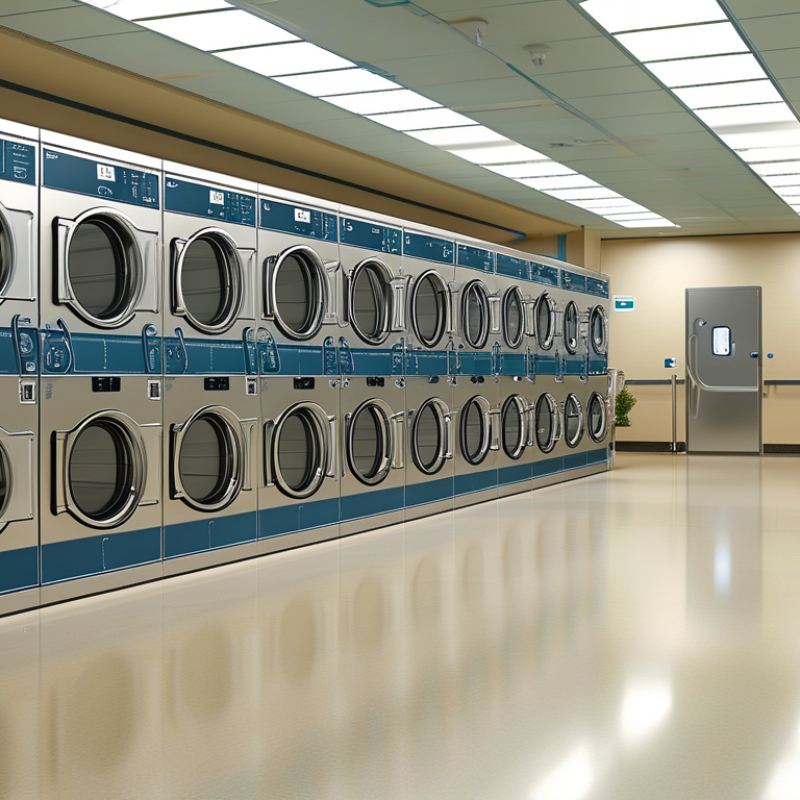
Understanding Your Hospital's Laundry Needs
When assessing your hospital's laundry needs, understanding laundry volume is crucial. Estimates suggest hospitals process over 20,000 pounds of linen weekly. This figure can vary based on patient capacity, services, and types of procedures performed. Hospitals with higher patient turnover require more efficient equipment. Choosing the right machine involves analyzing these variables.
Operational efficiency is another critical factor. Reports indicate that hospitals use up to 40% of their energy on laundry operations. Selecting machines with advanced technology can lead to energy savings. Furthermore, it’s essential to consider the types of fabrics and materials handled. Delicate items necessitate gentler treatment, while heavily soiled linens need robust cleaning mechanisms.
Combine these elements with feedback from laundry staff. They can highlight inefficiencies and suggest necessary adjustments. Lastly, factor in maintenance and repair costs when deciding. Poor machine reliability can lead to unexpected expenses and downtime. Evaluating all these components allows for a more informed decision in selecting the right laundry equipment for your facility.
Evaluating Key Features of Hospital Laundry Machines
When evaluating hospital laundry machines, key features play a crucial role in meeting your facility’s needs. According to industry reports, the efficiency of these machines directly impacts operational costs, accounting for nearly 25% of laundry expenses in healthcare settings. Understanding the capacity of the machine is vital. Machines that can handle larger loads reduce the number of cycles needed, ultimately saving time and energy.
Moreover, consider the technology incorporated into the machines. Advanced models often feature programmable settings for different fabric types. This ensures optimal cleaning and care for sensitive medical textiles. A report from the Healthcare Laundry Coalition highlights that improper washing can lead to fabric damage and increased replacement costs.
Finally, energy consumption is a pivotal aspect. Machines with high energy efficiency ratings can significantly lower utility bills. However, striking a balance between energy use and cleaning effectiveness is essential. It is crucial to reflect on whether the initial investment in more efficient machines will translate into long-term savings and improved service quality. Evaluating these elements carefully can lead to a more informed decision in selecting the right laundry machine for hospital needs.
Comparing Types of Laundry Machines Available
When selecting a laundry machine for a hospital, understanding the different types available is crucial. There are primarily three options: washer-extractors, tumble dryers, and flatwork ironers. Washer-extractors are efficient; they combine washing and spinning in one unit. This saves space, which is often at a premium in hospitals. They are also designed for heavy loads. The challenge lies in balancing capacity with the right wash cycle for various fabrics.
Tumble dryers, on the other hand, are essential for fast drying. They can efficiently handle large amounts of linens, making them indispensable in busy facilities. Yet, they require a consistent supply of heat and ventilation. Hospitals must ensure they are maintained properly. Neglect can lead to inefficiencies, resulting in longer drying times.
Flatwork ironers, while different, hold their own significance. They take processed linens and apply heat to smooth them out. Their operation can be energy-intensive and complex. Mismanagement of this equipment can trigger increased costs. Understanding each machine’s utilization is vital for optimal workflow. The right balance of these machines tailored to specific needs shapes the hospital's laundry efficiency, making thoughtful choices imperative in any decision-making process.
How to Choose the Best Hospital Laundry Machine for Your Needs?
| Type of Machine | Capacity (lbs) | Energy Efficiency | Water Usage (gallons/cycle) | Cost Range ($) |
| Industrial Washer | 50-100 | High | 20-30 | 15,000 - 20,000 |
| Dryer | 50-100 | Moderate | 15-25 | 12,000 - 18,000 |
| Washer-Extractor | 30-50 | High | 10-15 | 10,000 - 15,000 |
| Dry-Cleaning Machine | 20-30 | Moderate | 5-10 | 8,000 - 12,000 |
| Barrier Washer | 50-70 | High | 15-20 | 18,000 - 25,000 |
Assessing Cost vs. Quality in Laundry Equipment
When choosing a hospital laundry machine, it's essential to balance cost and quality. Investing in high-quality laundry equipment can lead to long-term savings. However, budget constraints often limit options. The trick is to evaluate which features you truly need and which ones can be overlooked.
One tip is to assess the machine’s efficiency. Look for models that consume less water and energy without compromising performance. This can significantly reduce operational costs over time. Also, consider the lifespan of the machine. Sometimes, a higher initial investment can result in durability and fewer replacements.
Another aspect to consider is the after-sales service. Reliable support is crucial for maintaining equipment efficiency. Be cautious of vendors claiming low prices but offering limited service. It's a gamble that might lead to higher expenses in the long run.
Balancing cost and quality is not straightforward. You may find machines that are affordable but perform poorly. This could lead to delays and unsatisfactory laundry results. Ultimately, spending some extra time on research can help save you from future headaches.
Maintenance and Support Considerations for Laundry Machines
When selecting a laundry machine for a hospital, maintenance should be a primary consideration. Regular upkeep is crucial to ensure the machine operates efficiently and lasts longer. A well-maintained machine can reduce operational costs and prevent unexpected breakdowns. Hospitals rely on laundry machines to maintain hygiene standards. Neglecting maintenance can lead to contamination risks.
Support services are equally important. Quick access to technical support can minimize downtime. It's essential to choose providers that offer comprehensive support packages. They should include training for the staff. Proper training can prevent misuse and extend the life of the equipment.
Consider the availability of replacement parts. Machines can experience wear over time. Having quick access to parts ensures that repairs can be performed swiftly. Regularly scheduled maintenance checks can help identify potential issues early. This proactive approach can save both time and money in the long run. Selecting the right laundry machine involves careful planning and evaluation of these factors.
 Skip to content