How to Choose the Best Perforated Mesh Machine for Your Needs?
Choosing the right Perforated Mesh Machine is crucial for achieving optimal production efficiency. According to a recent market analysis, the demand for perforated mesh products is projected to grow at a CAGR of 5.6% over the next five years. This growth reflects broader trends in construction, manufacturing, and filtration industries. Selecting a machine that meets specific needs can enhance productivity and product quality.
When evaluating options, consider machine capacity, versatility, and ease of use. The right machine reduces waste and increases output. However, not all machines are created equal. Some may not handle thicker materials or varied hole sizes effectively. It's essential to assess these factors thoroughly, as investing in an unsuitable machine can lead to operational difficulties.
Industries rely heavily on perforated mesh for diverse applications, from architectural designs to air filtration. A well-chosen Perforated Mesh Machine can streamline production and ensure high-quality results. Yet, potential buyers must remain aware of their unique requirements. Decisions should be informed by both market standards and personal operational needs. Balancing these can make the difference between success and setbacks in production.
Understanding Perforated Mesh Machine Types and Their Applications
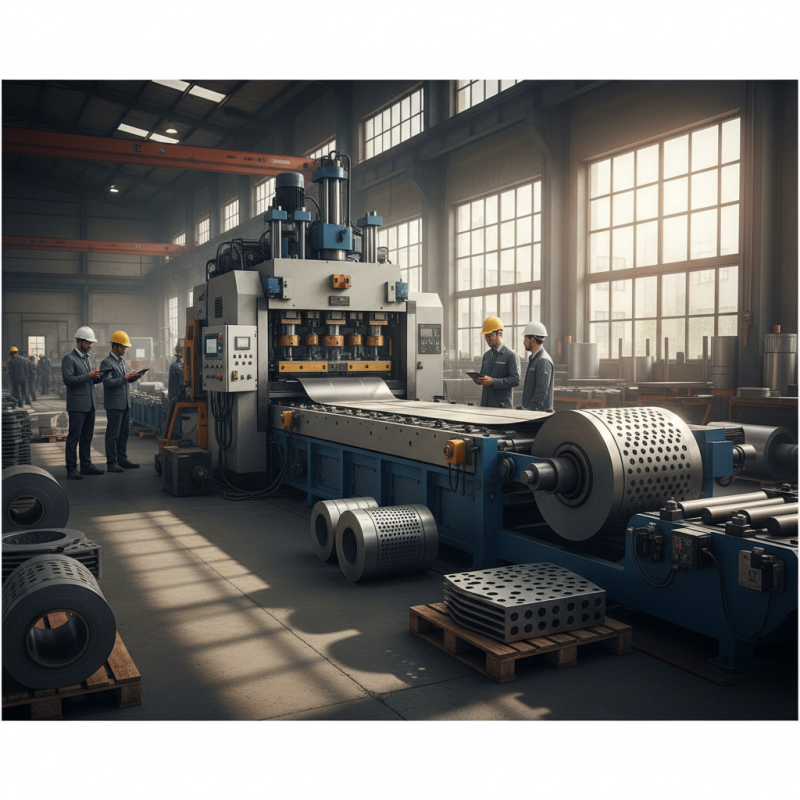
When selecting a perforated mesh machine, understanding the different types and their applications is crucial. Perforated mesh machines vary based on materials, hole sizes, and production methods. The market has seen a rise in demand with a projected growth of 5.6% annually, according to industry reports. This reflects the growing need for customized ventilation solutions in sectors like construction and automotive.
Tip: Make a list of your specific needs before shopping. This can include the type of material you require, desired hole patterns, and the thickness of mesh. Consider how the mesh will be used. In construction, for instance, larger holes may provide better airflow, while smaller holes are needed for filtration applications.
Different machines offer unique capabilities. Some are designed for large-scale production, while others focus on precision and customization. The versatility of a machine can enhance productivity. However, machine complexity may require more training for staff, which can lead to operational challenges. Balancing efficiency with ease of use is key to maximizing your investment.
Key Features to Consider When Selecting a Perforated Mesh Machine
When selecting a perforated mesh machine, consider specific features that meet your operational needs. The type of material used in the machine plays a crucial role. High-quality materials ensure durability and long-term performance. Pay attention to the thickness and flexibility of the mesh. Thicker mesh may provide better durability, but flexibility can enhance usability.
Another essential feature is the size of the perforations. This can greatly affect the end product's quality. Depending on your application, choose a machine that offers various hole sizes. Flexibility in customization is a plus. Machines that allow for quick adjustments can boost efficiency.
Look into the ease of maintenance as well. Regular upkeep is vital for consistent performance. Machines that are difficult to maintain may lead to long downtimes. Consider the machine's support and service options. Having access to reliable technical support is invaluable. It can save time and reduce production interruptions when issues arise.
Assessing Production Capacity and Efficiency for Your Needs
When choosing a perforated mesh machine, production capacity is crucial. Identify the volume of material you need to process daily. This will guide you in selecting a machine with the right throughput. A small shop might require a different setup than a large manufacturing plant. The wrong machine can lead to inefficiencies. It can cause bottlenecks that slow down production.
Efficiency also plays a significant role. Look into how quickly the machine can operate while maintaining quality. Machines that cut corners may compromise output. They can lead to increased waste and higher costs. Evaluate the speed of different models and their operational reliability. You might need to consider downtime for maintenance and repairs, too.
Don’t ignore the importance of flexibility. A machine that can adapt to different materials is advantageous. It may allow you to switch production lines easily. However, this can complicate the learning curve for operators. Investigate whether your team is prepared to handle various adjustments. Be realistic about your production goals and the machine's capabilities. This reflection is key to making a well-informed decision.
How to Choose the Best Perforated Mesh Machine for Your Needs?
| Machine Model | Production Capacity (m²/h) | Efficiency (%) | Power Consumption (kW) | Weight (kg) |
| Model A | 200 | 90 | 5.5 | 600 |
| Model B | 150 | 85 | 4.0 | 550 |
| Model C | 250 | 95 | 6.0 | 700 |
| Model D | 100 | 80 | 3.5 | 500 |
Evaluating Cost and Budget Constraints for Your Perforated Mesh Machine
When evaluating your budget for a perforated mesh machine, it's essential to balance cost with functionality. Determine the specific features you need. High-end machines offer advanced capabilities but often come with higher price tags. However, a basic model could suit simpler applications and save money. Analyze how often you'll use the machine. If it’s a daily essential, investing more might save costs in repairs and downtime.
Think about maintenance costs, too. Cheaper machines might have higher long-term expenses due to frequent repairs. Research potential suppliers. Look for reliable ones with good warranties. Reliability is crucial, especially for a machine that impacts production. Be mindful of hidden costs that could arise post-purchase, like installation and training. Have a clear budget and stick to it, but allow some flexibility for valuable upgrades.
Lastly, ensure you’re considering the potential return on investment. A more expensive machine may enhance efficiency and quality. Reflect on your current and future needs. It’s a balance of spending wisely while ensuring you’re equipped for success. Always ask yourself if the machine aligns with your needs and goals.
Reviewing Manufacturer Reputation and After-Sales Support Options
When selecting a perforated mesh machine, manufacturer reputation plays a crucial role. A reputable manufacturer indicates reliability and quality. Industry reports show that machines from established companies tend to have lower failure rates. According to a 2022 survey, 78% of operators experienced fewer breakdowns with trusted brands. This highlights the importance of analyzing manufacturer history and customer feedback.
After-sales support is equally vital. A responsive support team can significantly reduce downtime. Research indicates that businesses with robust after-sales services reported 30% higher satisfaction levels among users. Quick response times and helpful maintenance resources can extend the lifespan of your machine. Look for companies that offer comprehensive training programs as part of their after-sales package.
Tips: Verify the manufacturer's service record through online reviews. Explore forums or social media to gauge user experiences. Ensure their support options align with your operational needs, as this can save time and resources. Consider companies that offer extended warranties; they often reflect confidence in their products.
 Skip to content