How to Choose the Best Porcelain Floor Tiles for Your Home?
When selecting the best porcelain floor tiles for your home, several factors come into play. Porcelain floor tiles are renowned for their durability and aesthetic appeal. They are suitable for various areas, from kitchens to living rooms. However, choosing the right style and finish can be challenging.
Consider the color and texture of the tiles. Light shades may make a room feel larger, while dark tones can create warmth. Glossy finishes can add sophistication, but may require more upkeep. It’s vital to balance beauty with practicality. Some tiles may not endure heavy foot traffic as well as others, leading to potential wear over time.
Think about your lifestyle. High-traffic areas need tiles that resist scratches and stains. In contrast, bathroom tiles might focus more on slip resistance. Reflecting on your needs ensures a selection that enhances your space. Maintaining porcelain floor tiles may also require appropriate cleaning products. Small decisions can impact the overall look and feel of your home. Consider your choices carefully.
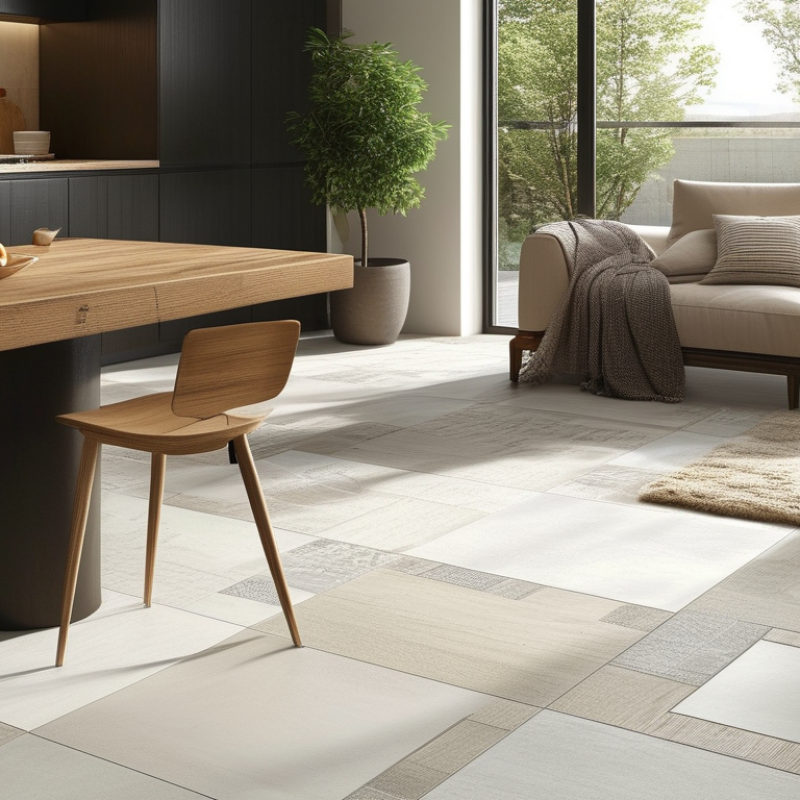
Understanding the Different Types of Porcelain Tiles Available in 2023
When selecting porcelain floor tiles, understanding the types available is essential. In 2023, there are three primary styles to consider: glazed, unglazed, and through-body tiles. Glazed tiles have a layer of glass, enhancing color and design flexibility. They work well in spaces like bathrooms. However, they can be slippery when wet.
Unglazed tiles offer a natural look. This type shows the tile's true color and texture. They are durable and provide better traction, making them ideal for kitchens and high-traffic areas. Yet, unglazed tiles can stain easily without proper sealing. This requires regular maintenance and care.
Through-body tiles are unique. Their color and pattern run throughout the tile, ensuring uniformity. They are less prone to chipping or scratching. These tiles can be a bit more expensive, but they are ideal for high-end installations. However, many homeowners find it challenging to choose based on color preferences. The process can feel overwhelming and requires careful consideration of how styles match the overall decor.
Key Factors to Consider When Selecting Porcelain Floor Tiles for Your Home
When selecting porcelain floor tiles, consider factors like durability, aesthetics, and maintenance. Durability is critical. High-quality porcelain tiles resist scratches and stains. You want tiles that can withstand foot traffic and last for years. Choose tiles with low water absorption rates, especially for wet areas.
Aesthetic appeal also plays a key role. Think about the overall style of your home. Tiles come in various colors, patterns, and textures. Dark tiles can create a cozy atmosphere, while light ones can make a space feel larger. Mix and match different styles for a unique look, but ensure they complement each other.
Maintenance is often overlooked. Some tiles require sealing, while others do not. Understand the cleaning needs of your chosen tiles. For busy households, easy-to-clean surfaces are essential. Consider how often you'll clean and how much effort you're willing to put in. Remember, finding the perfect tile takes time and thought, but it's worth the effort in the end.
Assessing the Durability and Slip Resistance of Porcelain Tiles
When selecting porcelain floor tiles, durability and slip resistance are crucial factors. According to the American Society for Testing and Materials (ASTM), tiles should ideally have a PEI rating of at least 4 for residential use. This indicates that the tiles can withstand moderate foot traffic without significant wear. However, just focusing on durability isn't enough. Some tiles, while robust, may lack adequate slip resistance.
In terms of slip resistance, the coefficient of friction (COF) plays a key role. A COF of 0.60 or higher is generally considered safe for wet areas, such as kitchens and bathrooms. Interestingly, many homeowners overlook this detail. They may choose a tile based solely on appearance, neglecting its safety features. Testing from the Tile Council of North America (TCNA) shows that even visually appealing tiles can be hazardous if they have low slip resistance.
Consider the actual circumstances in your home. A tile that’s perfect in the showroom may behave differently under daily use. Factors like humidity, dirt, and even the type of footwear can influence slip performance. Some tiles may seem flawless at first glance, but they can become slippery when wet. It's essential to balance aesthetic appeal with functional qualities. Taking the time to assess these features can lead to a safer, more durable flooring choice.
How to Match Porcelain Tile Aesthetics with Your Home’s Interior Design
When selecting porcelain tiles, consider how their aesthetics align with your home’s interior design. The right tiles can enhance your space’s atmosphere and style. For a modern look, choose sleek, glossy finishes. These tiles reflect light and create an illusion of a larger area. In contrast, matte finishes provide warmth and a cozy feel, making them ideal for traditional settings.
Color is crucial in matching tiles with your design. Neutral tones complement various decor styles. They create a harmonious balance, allowing other design elements to shine. If you want a bolder look, opt for patterned tiles. These can serve as focal points in a room but may clash with established themes. Reflect on how these tiles will interact with your existing furniture and color schemes.
Texture adds another dimension to your tile selection. Textured tiles can evoke a rustic appeal, while polished tiles may lean towards modern sophistication. Think about how foot traffic and practical use will affect your choice. Glossy tiles may show dirt and scratches more easily. It’s vital to consider both aesthetics and functionality to ensure your choices enhance your home.
How to Choose the Best Porcelain Floor Tiles for Your Home?
Cost Analysis: Budgeting for Porcelain Floor Tiles and Installation Expenses
Cost is a significant factor when selecting porcelain floor tiles. On average, porcelain tiles range from $3 to $10 per square foot. However, this can vary based on quality, design, and size. For a 1,000 square foot area, you may spend between $3,000 and $10,000 just on tiles. Installation costs can add another $4 to $8 per square foot, correlating to approximately $4,000 to $8,000 more.
Consider hidden costs. Subfloor preparation, adhesive, and grout can escalate the budget. It’s essential to factor these in. While some homeowners might opt to DIY, hiring professionals ensures quality and compliance with standards. On average, hiring a contractor increases total expenses by about 30%.
Investing in porcelain tiles can pay off in the long run. They hold up well in high-traffic areas, reducing replacement costs over time. According to industry reports, quality porcelain can last over 50 years with proper care. However, choosing lower-grade tiles for short-term savings may lead to frequent repairs or replacements, negating initial savings. Decide what's best for your budget while considering long-term implications.
 Skip to content