Skip to content

2026 How to Choose the Right Forklift Parts for Your Needs?

In the industry of material handling, selecting the right Forklift Parts is crucial. According to a report by the Material Handling Industry Association, the forklift market is expected to grow at a CAGR of 5.4% through 2026. This highlights the increasing reliance on forklifts for efficient operations. However, many businesses face challenges when choosing the appropriate parts.

Expert John Thompson, a leading consultant in forklift maintenance, emphasizes, “Choosing the right Forklift Parts can significantly affect equipment longevity and efficiency.” His insight reflects the importance of making informed decisions.

Understanding specific needs is essential. Factors like load capacity, frequency of use, and warehouse layout must be considered. Many companies overlook these details, leading to poor performance and unexpected costs. Recognizing potential pitfalls can guide businesses toward better choices. Thus, investing time in understanding Forklift Parts can yield substantial benefits in the long run.
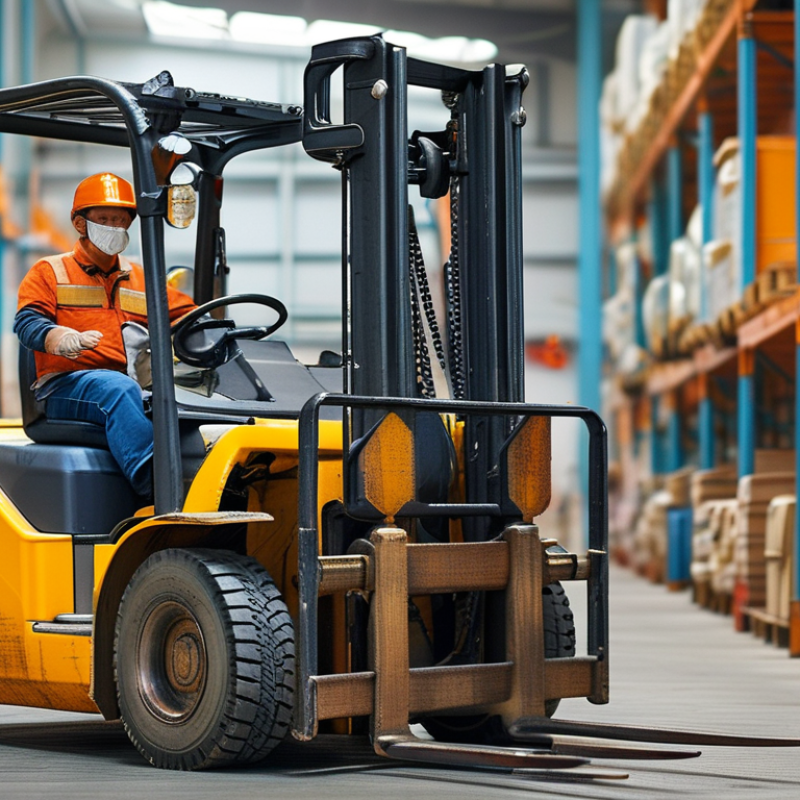
2026 How to Choose the Right Forklift Parts for Your Needs?

Understanding the Different Types of Forklift Parts and Their Functions

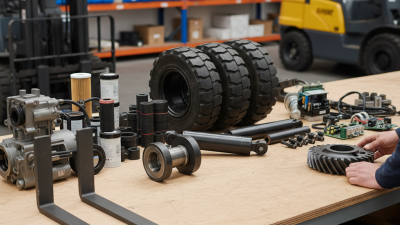
When selecting forklift parts, understanding their functions is critical. There are several key components that significantly impact performance. The engine is the heart of the forklift. A reliable engine ensures efficient operation. Problems with the engine can lead to downtime. This can be costly for any business.

The mast assembly is another vital part. It raises and lowers the load. Choosing the right mast type depends on your specific needs. There are various heights and configurations available. A mismatch can lead to stability issues. Ensure the mast’s capacity aligns with your load requirements.

Tires are also essential. Different surfaces require different types of tires. Smooth tires work well on indoor surfaces. Pneumatic tires are ideal for outdoor use. Consider the environment where the forklift operates. This choice affects both safety and efficiency. Make sure to check tire wear regularly. A worn tire can impact the performance. Understanding these components allows for better decision-making.

Forklift Parts and Their Functions

Assessing Your Forklift's Specifications for Suitable Parts Selection

Choosing the right forklift parts starts with understanding your equipment's specifications. Each forklift is designed with unique attributes that directly impact its performance. According to the Industrial Truck Association, nearly 80% of all forklift parts are generic. This can make finding specific components challenging. Operators often overlook critical specifications like load capacity and mast height when selecting parts.

When examining your forklift's specifications, focus on the key details. Load capacity is paramount. Operating a forklift beyond its designed weight limits can lead to failure. For instance, a study from the American National Standards Institute indicates that improper loading is a main cause of accidents. Mast height can also affect performance, especially in narrow aisles. A mismatch in height can hinder maneuverability and efficiency.

Many operators neglect to assess these specifications thoroughly, which leads to frequent breakdowns. Parts not aligned with the forklift's specifications may cause undue stress on mechanical systems. This situation might not be apparent until a significant failure occurs. Regularly reviewing specification sheets and consulting with trained professionals is crucial. It helps ensure reliable performance and safety in operations.

Evaluating Quality vs. Cost: Choosing Durable Forklift Parts

When considering forklift parts, evaluating quality versus cost is crucial. Many businesses focus solely on saving money, leading to the selection of lower-quality components. Research indicates that spending slightly more on durable parts can reduce maintenance costs by up to 25%. This can significantly impact overall operational efficiency in the long run.

Quality parts often mean fewer replacements and less downtime. A study by the Material Handling Industry (MHI) revealed that around 80% of companies experience at least one mechanical failure annually due to subpar components. Opting for high-quality materials can enhance safety and reliability, ensuring your equipment performs optimally.

However, some organizations may struggle with upfront investments. The initial costs of high-quality parts can deter buyers. It's essential to weigh the long-term benefits against immediate expenses. Investing in reliable components often translates to improved productivity, decreased repair costs, and better overall performance. This holistic view ensures resources are allocated wisely while maintaining safety standards in operations.

Identifying Reliable Suppliers for Forklift Parts Acquisition

When looking for reliable suppliers for forklift parts, several factors come into play. Start by researching suppliers that specialize in certified and genuine forklift parts. Verification of their credibility is essential. Check online reviews and ratings. It's helpful to look for feedback from other businesses in your industry. A supplier’s history can speak volumes about their reliability.

Communication is crucial in establishing a good relationship with suppliers. Reach out directly to ask about their sourcing practices. Trustworthy suppliers should be transparent about where their parts come from. This can help avoid counterfeit products that could harm your equipment. Getting references from other customers can also provide insight into their service quality.

Consider attending industry trade shows to connect with potential suppliers. Engaging face-to-face can foster better relationships. Building rapport often leads to better service and support. Take your time assessing different options, ensuring each one meets your specific needs. Don't rush the process; a well-informed decision now will save you future headaches.

Maintaining Forklift Parts for Longevity and Performance Improvement

When it comes to maintaining forklift parts, regular check-ups are vital. Inspecting components regularly helps identify wear and tear early. This proactive approach minimizes unexpected breakdowns and boosts overall performance.

Ensure that parts are kept clean and lubricated. Dust and debris can cause significant damage over time. Pay attention to hydraulic fluids; leaks can degrade performance and efficiency. Keeping an eye on these aspects can extend the lifespan of your equipment.

Consider using checklists for routine maintenance. This practice enhances accountability and ensures that no details are overlooked. Even minor neglect can lead to costly repairs or reduced efficiency. Creating a culture of maintenance awareness can drive better results and improve safety.