How to Choose the Right Gate Valve for Your Needs?
Choosing the right Gate Valve is essential for efficient fluid control. Gate valves play a crucial role in many industrial applications, including oil, gas, and water systems. Recent industry reports indicate that the global gate valve market is projected to grow by 6% annually over the next five years. This growth emphasizes the need for careful selection.
When selecting a gate valve, it's vital to consider factors such as material, size, and pressure rating. The wrong choice can lead to leaks, inefficient flow, and increased maintenance costs. According to a study by the International Society of Automation, improper valve selection accounts for up to 20% of system failures in critical applications. This statistic highlights the significant impact of a well-chosen gate valve.
Many users often overlook the importance of matching the valve type to their specific needs. A thorough understanding of system requirements is critical. Choosing a gate valve without considering all variables can result in costly mistakes. Therefore, careful evaluation and selection are paramount for long-term reliability and performance.
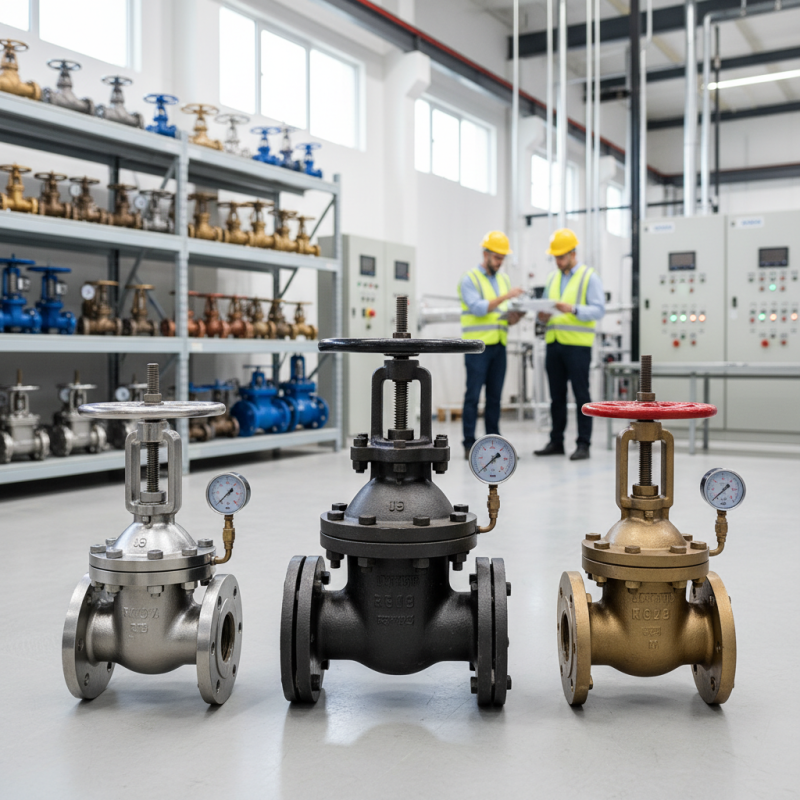
Understanding the Functionality of Gate Valves in Fluid Systems
Gate valves play a crucial role in fluid systems. They provide a straightforward way to start and stop fluid flow. When fully open, a gate valve allows for minimal pressure drop. This is key in many applications, from water supply to chemical processing.
Choosing the right gate valve is essential. Look for materials that resist corrosion, especially in harsh environments. Ensure the valve size matches your pipe diameter. Even a minor mismatch can lead to significant flow issues.
Tips: Always check the pressure rating. It should match your system's requirements.
Consider installation space, too. Some gate valves are bulkier than others. These factors can affect maintenance and accessibility. In some cases, a smaller valve is easier to handle but may not perform as well in high-pressure situations.
Tips: Think about future maintenance. A valve that’s hard to reach can create headaches down the line. Evaluating these aspects before making a purchase can prevent trouble later.
Identifying Key Factors for Selecting Gate Valves
Choosing the right gate valve can be challenging. Several key factors need consideration. Start by examining the system's pressure and temperature requirements. High pressure needs a robust valve. Low-pressure systems might allow for lighter options.
Material selection is critical. For high-corrosion environments, stainless steel or corrosion-resistant materials are essential. However, these can be expensive. Think about the environmental conditions as well. Each setting has its unique demands.
Flow requirements also play a role in your choice. How quickly do you need the flow to shut off? A quick action may necessitate a different design. Not every valve will perform equally in varying scenarios. It’s important to reassess your needs regularly. What works today might not suit future demands.
Exploring Different Types of Gate Valves and Their Applications
When exploring different types of gate valves, it’s essential to understand their specific applications. Gate valves are commonly used in industrial settings for on/off control. They are designed to provide minimal resistance to flow, making them ideal for systems requiring a straight-line flow. One common type is the Wedge Gate Valve. It works by using a wedge-shaped disc. This type ensures a tight seal when closed but may struggle with flow control under certain conditions.
Another variant is the Parallel Gate Valve. Unlike the wedge type, it features two parallel discs. This design allows for lower operating torque, which is helpful in certain applications. However, it might not close as tightly as its wedge counterpart. In addition, the choice of materials is critical. Stainless steel valves are sturdy and resistant to corrosion. However, they might be overkill in less demanding environments, leading to unnecessary costs. It's vital to analyze the specific requirements of your system, considering factors like pressure, temperature, and fluid type. Each choice comes with its own set of benefits and potential drawbacks, requiring careful thought and reflection on your needs.
Evaluating Material Options for Gate Valves Based on Environmental Conditions
Choosing the right material for gate valves is crucial. Different environments demand different materials. For instance, a corrosive environment may require stainless steel or polymer options. These materials resist degradation over time. However, not all stainless steel is the same. Evaluating the specific type is necessary.
Temperature is another factor. High temperatures can weaken some materials. A valve that works well in cool water could fail in hot steam. Metal fatigue is a real concern. Some users underestimate thermal expansion. It’s worth considering how the materials expand and contract under extreme conditions.
Not all environments are predictable. Sometimes, unexpected factors can affect the decision. Humidity, for example, can impact how materials behave. A thorough site analysis might reveal hidden challenges. Not every vendor provides complete information, so asking questions is essential. A little doubt now can save significant issues later.
Considering Size and Pressure Ratings for Optimal Gate Valve Performance
Choosing the right gate valve requires careful consideration of size and pressure ratings. These factors greatly influence valve performance. An improperly sized valve can cause flow issues. If the valve is too small, it restricts capacity. If it’s too large, it may not seal effectively.
Pressure ratings are equally important. They indicate the maximum pressure the valve can handle. Ignoring this can lead to failures. High pressures require robust materials and designs. Underestimating pressure ratings can lead to leaks and damage. It’s essential to match the valve to the system's existing conditions.
While seeking the perfect gate valve, consider other variables. Fluctuations in temperature may affect performance. Your system may demand specific end connections. Sometimes, you might overlook minor details, like valve orientation. Each aspect can impact overall efficiency. Investing time in research can pay off significantly.
How to Choose the Right Gate Valve for Your Needs?
This chart illustrates the maximum pressure ratings for different sizes of gate valves, helping you choose the right valve based on size and pressure requirements for optimal performance.
 Skip to content