How to Choose the Best Metal Fabrication Services for Your Needs?
Choosing the right Metal Fabrication services can significantly impact your project's success. According to a recent report by IBISWorld, the metal fabrication industry in the U.S. is valued at over $120 billion. This growth highlights the demand for high-quality metal fabrication services across various sectors, including construction, automotive, and aerospace. It is essential to consider several factors when selecting a service provider.
Metal fabrication involves intricate processes such as cutting, welding, and assembling metal components. A well-chosen service can enhance efficiency and reduce costs. However, not all fabricators possess the necessary expertise or technology. Industry studies indicate that nearly 30% of fabrication projects experience delays due to poor service quality. Thus, recognizing the qualifications and capabilities of a potential fabricator is crucial.
As you explore your options, look for companies that demonstrate a strong track record and customer testimonials. A provider's experience can greatly influence the quality of the final product. Remember, investing time in research now can prevent costly mistakes later. Choose wisely, and your metal fabrication needs will be met with precision and reliability.
Understanding Your Metal Fabrication Requirements
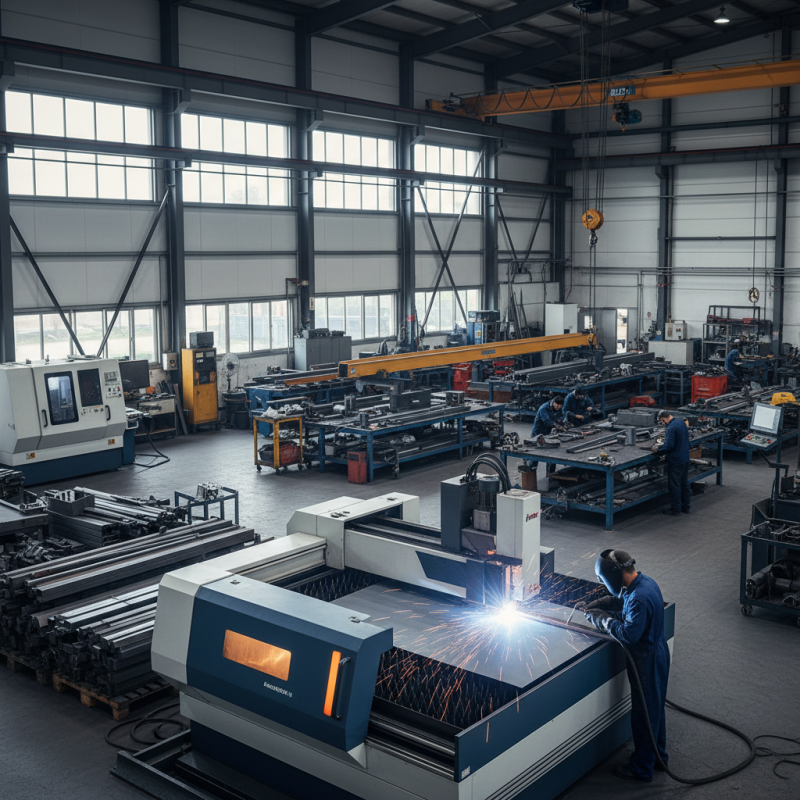
When selecting metal fabrication services, understanding your specific requirements is crucial. Different projects demand various techniques and materials. A report from the Fabricators & Manufacturers Association states that 80% of successful projects align closely with client specifications. Clarity in your needs can prevent costly mistakes.
Consider the type of metals you need. Aluminum, steel, or stainless steel? Each material offers different benefits. For example, aluminum is lightweight, while steel boasts unparalleled strength. If your project demands precision, explore a provider's capabilities in advanced methods like laser cutting or CNC machining. According to a recent industry survey, 62% of companies prioritize precision when choosing a fabrication partner.
Lastly, don't overlook the importance of experience. A provider with a robust portfolio can typically offer insights into best practices. They often help navigate challenges you may face. However, inexperienced partners may miss key details, leading to project delays. Your decision should weigh their expertise against your unique needs. It's essential to reflect on these aspects before making your choice.
Researching and Evaluating Potential Fabrication Services
Researching and evaluating potential metal fabrication services can be challenging. Start by identifying your specific needs. Clearly outline your project requirements. Look for services with experience in your industry. This can ensure they understand your expected outcomes.
Tips: Check online reviews and testimonials. They can provide insights into reliability and quality. Visiting a fabrication shop can be helpful, too. It allows you to see their capabilities firsthand. Ask about their materials and techniques. A knowledgeable provider will explain their processes clearly.
Consider their communication skills. A responsive team can make the process smoother. If they seem unorganized or delayed in replies, it might raise concerns. Compare multiple quotes to find the best value. Keep in mind that the cheapest option may not always offer quality work. Assess each service's portfolio. Projects similar to yours can indicate their capability. Selecting the right service takes time and thorough research, but it’s crucial for your project's success.
Assessing the Quality of Materials and Techniques Used
When it comes to selecting metal fabrication services, assessing the quality of materials and techniques is crucial. The materials used can significantly impact the durability and performance of the final product. Look for companies that utilize high-grade metals, such as stainless steel, aluminum, or carbon steel. These materials offer varying strengths and corrosion resistance, depending on your project's requirements.
Techniques matter as well. Advanced technologies like laser cutting, CNC machining, and TIG welding can enhance precision. It's important to inquire about their equipment and processes. A fabricator with updated machinery likely ensures better accuracy. However, consider that not every company may prioritize these upgrades or be aware of industry innovations.
Take time to review past projects. Look for examples that align with your needs. If possible, request to see samples of their work firsthand. This step can help you gauge the craftsmanship. An honest conversation with past clients can reveal strengths and weaknesses. Not all providers shine in every aspect. Identifying these gaps can lead you to the right choice.
Reviewing Customer Feedback and Case Studies
When selecting metal fabrication services, reviewing customer feedback is crucial. Around 84% of consumers trust online reviews as much as personal recommendations. This statistic emphasizes the importance of gathering insight from previous clients. Customers often share their experiences, highlighting quality, timeliness, and customer service. Look for patterns in feedback. Positive reviews will underscore the company’s reliability, while negative comments can reveal potential red flags.
Case studies also serve as valuable tools. They provide real-world examples of how a service provider has tackled specific challenges. A well-documented case study illustrates success stories, demonstrating the company's expertise and capability. Metrics such as project completion timelines and budget adherence offer tangible evidence of competence. When possible, analyze the before-and-after scenarios detailed in these studies. They can provide a clearer understanding of the provider’s impact on their projects.
However, it is important to reflect on any inconsistencies in customer feedback and case studies. Sometimes, positive reviews may relate to specific projects not representative of the company's overall quality. Verify claims with actual data when possible. Seek references from diverse industries. This can help ensure the service provider meets your unique fabrication needs effectively.
How to Choose the Best Metal Fabrication Services for Your Needs? - Reviewing Customer Feedback and Case Studies
| Criteria | Rating (1-5) | Customer Feedback | Case Study Highlights |
| Quality of Work | 4.8 | "Exceptional attention to detail and craftsmanship." | Successfully completed a complex custom project for automotive parts. |
| Timeliness | 4.5 | "Met all deadlines without compromise on quality." | Delivered large-scale orders on time for a major construction project. |
| Customer Service | 4.7 | "Responsive and knowledgeable staff, great communication." | Handled customer queries effectively for a challenging renovation project. |
| Pricing | 4.0 | "Competitive prices without sacrificing quality." | Provided cost-effective solutions for a series of public installations. |
| Technical Expertise | 4.6 | "Highly skilled technicians who can tackle any challenge." | Innovative designs implemented for a specialized machinery project. |
Comparing Costs and Timelines for Your Project Needs
When comparing costs and timelines for metal fabrication services, careful analysis is crucial for optimal results. Industry reports indicate that the average cost of metal fabrication ranges from $50 to $100 per hour. However, this rate can significantly differ based on the complexity of the project, materials used, and labor requirements. For example, intricate designs or specialized metals may push costs higher. By understanding these variables, clients can budget more effectively, minimizing unexpected expenses.
Timelines can vary widely. Simple projects might be completed in weeks, while complex fabrications can take months. A recent industry survey revealed that 60% of projects experienced delays due to insufficient planning or unclear specifications. Clients should engage with service providers early to clarify requirements. Setting realistic deadlines can foster better communication, and lead to timely completion.
Reflecting on these factors helps in making informed decisions. While cost is essential, a cheaper option may lead to lower quality. It’s vital to evaluate potential providers for their experience and reliability in delivering on time and within budget. This balance often differentiates successful projects from those that falter.
Comparison of Metal Fabrication Costs and Timelines
 Skip to content