What is a Coiling and Packing Machine and How Does It Work?
In the world of manufacturing, a Coiling and Packing Machine plays a critical role. This machine ensures products are coiled and packaged efficiently. Expert John Smith, a renowned engineer in the industry, once stated, “The effectiveness of a Coiling and Packing Machine can define a company’s productivity.” His insight captures the essence of why these machines are vital.
The Coiling and Packing Machine is designed to automate the packing process. It reduces manual labor and increases speed. However, finding the right machine can be challenging. Many companies struggle with the selection process. They may overlook specific needs, leading to inefficiencies in production. The wrong machine could disrupt workflow and impact quality.
Despite its advantages, the Coiling and Packing Machine has limitations. Maintenance issues can arise unexpectedly. Regular checks are essential to avoid downtime. Additionally, training staff to operate these machines is crucial. A lack of proper training can result in mistakes and waste. Addressing these concerns is vital for maximizing the benefits of this technology.
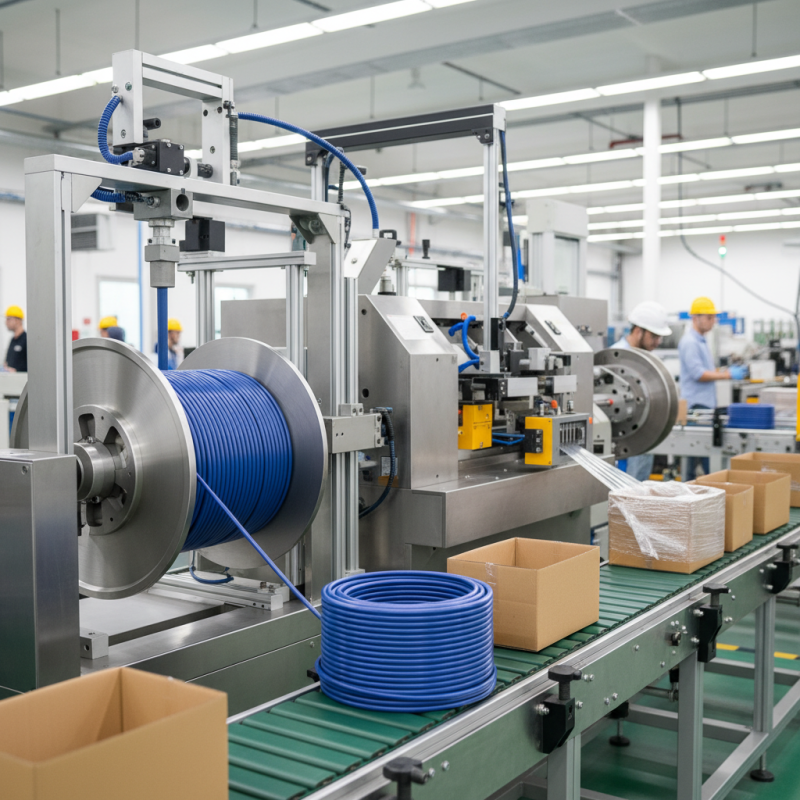
What is a Coiling and Packing Machine?
A coiling and packing machine is a critical piece of equipment in many industries. It efficiently coils, wraps, and packages products, ensuring they are ready for shipment. This machine plays a vital role in enhancing production efficiency and reducing manual labor. According to a recent industry report, automated packaging solutions can increase output by up to 30%.
These machines typically use a variety of materials for packing, including shrink films and cardboard. The mechanism involves a coiling process that forms the products into organized bundles. Depending on the settings, some machines can handle varied sizes and shapes. However, they can face challenges. For example, incorrect coil tension may lead to product damage.
In some cases, machines might not be user-friendly. Operators can struggle with setup and adjustments. This learning curve can affect productivity. Regular maintenance is necessary to avoid disruptions. Reports show that improper maintenance can lead to breakdowns, resulting in costly downtime. Hence, understanding these machines’ complexities and committing to training can significantly improve their efficiency.
Key Components of a Coiling and Packing Machine
A coiling and packing machine is essential in many industries. It automates the process of winding materials and packaging them efficiently. Understanding its key components helps in grasping how it functions smoothly.
One crucial part is the coiling mechanism. This component ensures the material is wound tightly and uniformly. It often includes rollers and guides. These parts help maintain tension. Next is the packing section. This is where the coiled items are wrapped and sealed. Common techniques include heat sealing or shrink wrapping.
Tips: Regular maintenance of the machine is vital. Check the rollers for wear and tear. Adjustments in tension settings can make a significant difference.
Another important component is the control panel. Operators use it to set parameters like speed and coil size. A simple interface can reduce errors significantly.
Tips: Continuous training for operators is necessary. Familiarity with the control panel enhances efficiency. Dust and debris should be kept away to prevent malfunctions.
How Coiling and Packing Machines Operate
Coiling and packing machines play a vital role in various industries, automating the process of winding and packaging products. These machines function by taking raw material, winding it into coils, and securely packaging it for storage or shipment. They are widely used in sectors like electronics, textiles, and wire manufacturing.
How do these machines operate? They employ a series of rollers and guides to ensure consistent tension while coiling. Once the material is coiled, a packing mechanism swiftly wraps it in protective films or boxes. Effectiveness is crucial. According to industry research, efficient coiling can reduce production time by up to 30%. Yet, improper calibration can lead to waste. Finding the right balance is key.
Tip: Regular servicing ensures optimal performance. Check for wear in rollers and replace them as needed.
Another point to consider is the control systems. Advanced models use sensors to monitor tension and material flow. This technology boosts accuracy but can be complex. Users must invest time in training to maximize efficiency.
Tip: Invest in operator training. Knowledgeable staff reduce errors. Automation is powerful, yet human oversight remains essential. Coiling and packing machines can revolutionize production but require reflection on setup and operation.
Applications of Coiling and Packing Machines in Various Industries
Coiling and packing machines are pivotal in several industries. In packaging, they optimize production efficiency. For instance, in the food industry, these machines accommodate variations in product sizes and shapes. According to a 2022 market report, the global packaging machinery market grew by 4.5% annually. This growth indicates a rising demand for efficient packing solutions.
In textiles, coiling machines handle fabrics with precision. They enhance the speed of preparation for distribution. This sector alone accounts for a staggering $800 billion market value. Precision in packing impacts overall profitability. Issues in this area can lead to significant losses. Moreover, the electronics industry relies on coiling machines for cables. This is crucial for maintaining product integrity. Mismanagement here could lead to costly product returns.
Despite advancements in technology, challenges remain. Variability in product design often leads to inefficiencies in packing. Manufacturing defects can also disrupt operations. Understanding these limitations is critical for future improvements. Real-time data analytics could provide insights to optimize performance. Adapting to these challenges will be key to maintaining competitiveness in the market.
Benefits of Using Coiling and Packing Machines in Manufacturing
Coiling and packing machines streamline manufacturing processes significantly. They help in efficiently winding materials like wire or cable. This machine wraps products tightly, preparing them for storage or shipping. The precision offered by these machines reduces material waste. As a result, manufacturers can utilize their resources better.
One major benefit is the speed of operation. Coiling and packing machines can handle large volumes quickly. This increases productivity and meets higher demand levels. Furthermore, they maintain consistent quality with each coil produced. Yet, they require regular maintenance to avoid breakdowns. Regular training for operators is also essential. A poorly trained operator can lead to inefficiencies that may influence production.
Additionally, these machines enhance safety in the workplace. Manual packing can be hazardous in many settings. Automated machines reduce the risk of injuries. However, investing in new technology can be daunting. Not all businesses can afford the latest models. Balancing cost and efficiency is a common challenge. Manufacturers must assess their specific needs carefully.
 Skip to content