How to Use Flexible Intramedullary Nails Effectively?
Effective use of Flexible Intramedullary Nails has become crucial in modern orthopedic surgery. Reports show that about 15% of long bone fractures require internal fixation methods. Flexible Intramedullary Nails are particularly beneficial for unstable or complex fractures. They provide stability while allowing for anatomical alignment.
Surgeons must understand the nuances of this technique. For instance, improper sizing or placement can lead to complications. Data indicates that 25% of cases face postoperative issues due to technical errors. Ensuring proper preoperative planning and understanding the specific anatomy is vital. Surgeons frequently reflect on their technique to minimize such errors.
The evolution in design and materials of Flexible Intramedullary Nails enhances their performance. Advances have led to increased success rates in pediatric cases. However, surgeons must continuously evaluate their methods, as not all cases yield the desired outcomes. Embracing new technologies will improve our understanding and application of this essential fixation method.
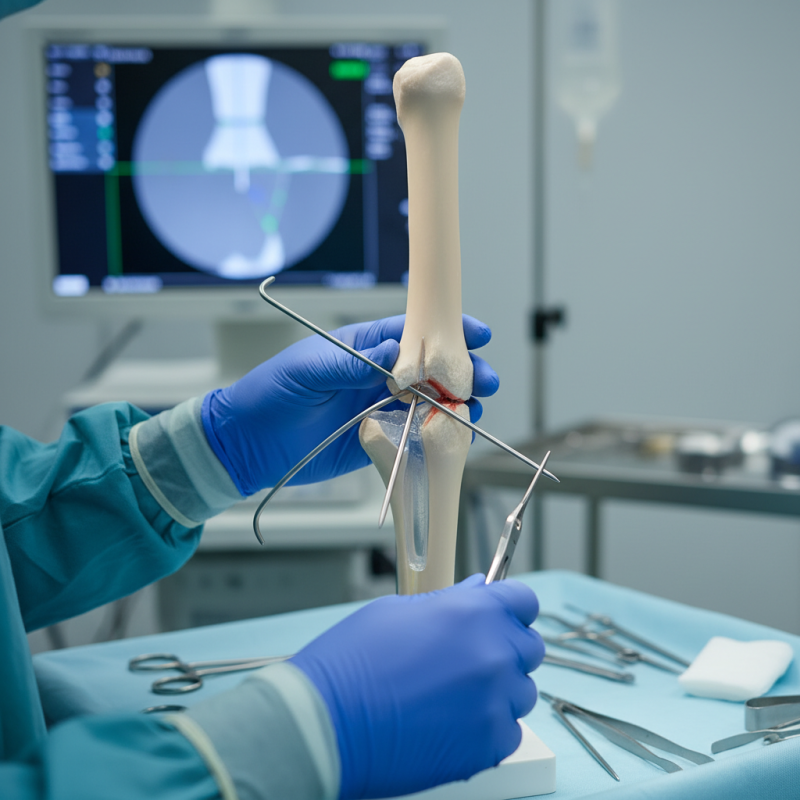
Understanding Flexible Intramedullary Nails and Their Applications
Flexible intramedullary nails are versatile tools in orthopedic surgery. They are particularly effective for treating fractures in long bones, such as the femur and tibia. These nails offer stability and allow for early mobilization, which is crucial for recovery. The nails adapt well to the bone's shape, providing effective support during the healing process.
For optimal results, here are some tips:
Ensure proper nail selection based on the patient's age and activity level. Pay attention to the alignment of the bone fragments during insertion. Misalignment can lead to complications and prolong recovery. Also, consider the patient’s overall health status. Compromised healing in some patients may require alternative methods.
Postoperative care is vital. Regular follow-ups are necessary to assess healing. Watch for signs of complications, like infection or improper healing. Communication with the patient about their progress is essential. They may feel anxious about the recovery, so reassurance is key. Flexibility in technique may be required, adapting to each unique case.
Indications for Using Flexible Intramedullary Nails in Fracture Treatment
Flexible intramedullary nails are increasingly used for fracture treatment, especially in pediatric and adolescent patients. According to a study published in the Journal of Orthopaedic Trauma, these nails provide effective stabilization with minimal soft tissue disruption. This method is particularly useful for treating long bone fractures, like the femur and tibia. In over 60% of cases, patients showed rapid functional recovery, demonstrating the advantages of this technique.
Indications for using flexible intramedullary nails include significant angulation and translation in fractures. These nails are ideal for certain fracture types, like spiral or oblique fractures. The American Academy of Orthopaedic Surgeons reports that flexible nails can be beneficial when traditional methods may pose risks. For example, they’re effective in avoiding complications linked to rigid fixation in young patients.
Despite their advantages, there can be challenges. Some surgeons face difficulties with nail insertion, especially in complex fractures. Improper positioning may lead to non-union or malunion. A careful assessment is crucial before choosing this method. Flexibility must also be balanced with stability. Investing in training can improve outcomes and reduce complications related to these implants. Ensuring proper technique remains vital for optimal results.
How to Use Flexible Intramedullary Nails Effectively? - Indications for Using Flexible Intramedullary Nails in Fracture Treatment
| Indication | Description | Advantages | Contraindications |
| Pediatric Fractures | Used for diaphyseal fractures in children, allowing for less invasive treatments. | Minimally invasive, allows for early mobilization, low risk of infection. | Severe bone growth disturbances, certain types of complex fractures. |
| Trasversal Fractures | Ideal for simple, transversal fractures in the long bones. | Stable fixation, potential for quicker healing. | Not appropriate for fractures with significant comminution. |
| Nutritional and Bone Health Complications | Useful when addressing fractures in patients with poor bone quality. | Improves outcomes in patients with osteoporosis. | Uncontrolled metabolic bone disease. |
| Non-union Fractures | Used in cases where fractures have not healed properly. | Can stabilize and promote healing in challenging cases. | Presence of infection or necrotic tissue. |
Step-by-Step Guide to Inserting Flexible Intramedullary Nails
Inserting flexible intramedullary nails is a common solution for fractures. This technique offers stability and encourages healing. The procedure requires skill and precision.
To begin, identify the entry point for the nail. This site should be easily accessible and aligned with the bone's anatomy. Insert the drill bit carefully. Aim for a straight trajectory to avoid complications. Ensure the drill penetrates the cortex smoothly.
Tip: Always visualize the bone structure on imaging prior to insertion. This aids in planning the pathway for the nail. The right alignment minimizes the risk of re-operated cases, which are reported to be around 15% in specific populations.
Next, slowly insert the flexible nail. Monitor resistance and adjust as required. Incorrect angles can cause improper placement. This can lead to increased recovery time.
Tip: Use fluoroscopic guidance during insertion. This step can enhance accuracy, especially in complex fractures. Many surgeons find that using real-time imaging reduces errors.
After placement, verify the nail's position. Ensure it provides adequate support. Complications, though rare, can still occur. Recognizing the signs early can change outcomes significantly. Continuous learning is crucial in this evolving field.
Post-Operative Care and Rehabilitation After Nail Insertion
Post-operative care after flexible intramedullary nail insertion is crucial. Patients should begin by managing pain effectively. Following the procedure, medications may be prescribed. It’s important to take them as directed. Rest is also vital during the initial recovery phase. Ice packs can help reduce swelling.
Physical therapy often starts within days. Gentle exercises promote blood flow. This can enhance healing. However, patients may feel frustration during this phase. Regaining strength takes time. It's essential to listen to your body. Avoid pushing through pain. Monitor any changes or unusual symptoms, such as increased swelling or redness.
Wound care should not be neglected. Keep the area clean and dry. A follow-up appointment is generally scheduled after a week or two. This allows for an assessment of healing progress. Reflecting on your daily routine can reveal potential areas for improvement. Adjust activities to support the recovery process. Staying positive and patient is key.
Common Complications and Troubleshooting in Intramedullary Nailing
Intramedullary nailing can be an effective fixation method, yet it is not without complications. Common issues include malalignment and improper nail placement. These can lead to discomfort and delayed healing. Surgeons must maintain precise alignment during insertion. A careful approach can mitigate these risks, but mistakes can still occur.
Another frequent complication is infection at the insertion site. Maintaining a sterile environment is crucial. However, even with best practices, infections may happen. Surgeons should be prepared to identify early signs of infection. Prompt intervention can help manage this complication effectively.
Patient factors can also affect the outcome. Bone quality, for example, may vary significantly. In some cases, the nail may fail to engage properly. This can lead to inadequate stabilization. Surgeons must assess each patient's unique conditions thoroughly. It is essential to adapt techniques based on individual needs. Observing and reflecting on these challenges can enhance future procedures.
 Skip to content