What is Electrical Steel and its Importance in Industry?
Electrical Steel plays a critical role in modern industry, especially in electrical applications. This specialized material, also known as silicon steel, is used primarily in the manufacturing of transformers, electric motors, and generators. According to a recent market report by Allied Market Research, the global electrical steel market is projected to reach $30 billion by 2025, growing at a compound annual growth rate of 6.5%.
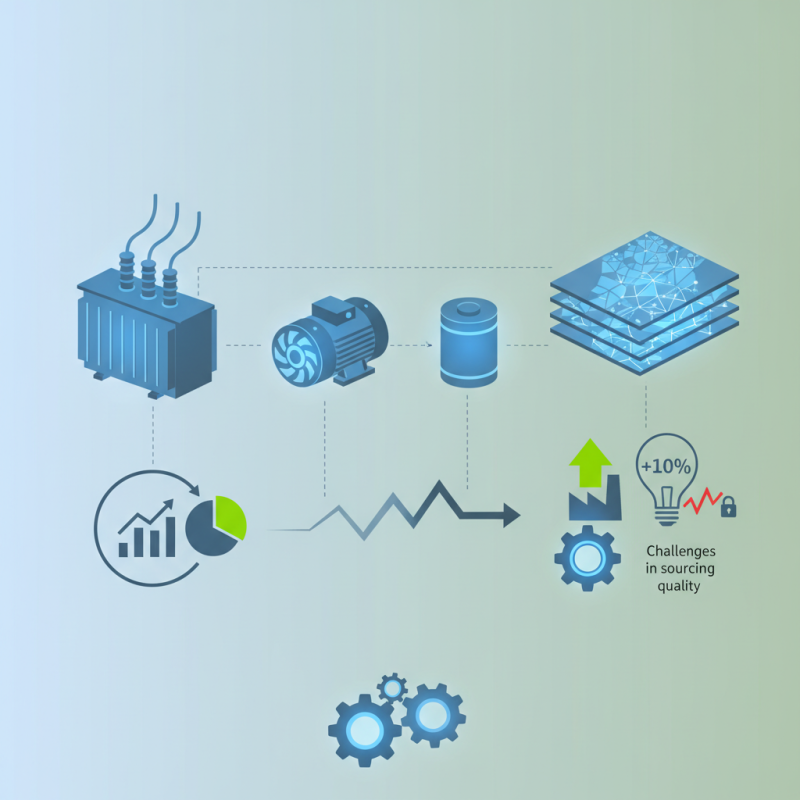
The significance of Electrical Steel is evident in its ability to enhance energy efficiency. This material reduces energy losses due to its low hysteresis and eddy current losses. In fact, using high-quality electrical steel can improve motor efficiency by over 10%. However, not all grades of electrical steel meet these high standards, leading to inefficiencies that industry leaders must address.
Challenges in sourcing quality Electrical Steel persist. While many companies focus on production, some overlook the importance of selecting the right material grade. Adequate testing and quality assurance are often compromised in the rush to meet demands. As industries evolve, the need for refined Electrical Steel will continue to grow, demanding greater attention to detail and standards in production processes.
Definition of Electrical Steel and Its Composition
Electrical steel, also known as silicon steel, plays a crucial role in the manufacturing of electrical equipment. Its unique composition enhances magnetic properties. Typically, electrical steel contains about 3% to 5% silicon. This addition helps reduce energy losses during magnetic flux cycles. It makes electrical steel essential in transformers, motors, and other electromagnetic applications.
The production of electrical steel involves specific processes. These include cold rolling and heat treatment, which optimize its performance. According to industry reports, the global market for electrical steel was valued at approximately $29 billion in 2022. This value is expected to grow due to the increasing demand for energy-efficient devices. Challenges remain, such as the need for better grades and lower production costs. Some manufacturers experience difficulties in balancing quality and expense.
In terms of applications, precision is key. The use of thinner sheets can drastically improve performance, reducing energy loss. Engineers often face the dilemma of cost versus quality in selecting materials. A focus on innovation in electrical steel production could address these issues, ultimately benefiting the industry. While advancements are notable, continued research is vital to tackle existing challenges and enhance electrical steel’s application range.
Types of Electrical Steel: Grain-Oriented vs. Non-Grain-Oriented
Electrical steel plays a crucial role in various industries, especially in the production of electrical equipment. Its characteristics vary significantly between grain-oriented and non-grain-oriented types. Grain-oriented electrical steel is designed with a specific direction of grain alignment, enhancing magnetic performance. It is commonly used in transformers and generators, providing efficient energy conversion. Industries value its ability to minimize energy loss.
On the other hand, non-grain-oriented electrical steel has a more random grain structure. While it offers less efficiency than its grain-oriented counterpart, it remains essential for applications like electric motors. This type is often used in devices where multi-directional magnetization is necessary. Non-grain-oriented steel still contributes to energy efficiency, but it has limitations. Manufacturers must consider these factors carefully.
Choosing the right type of electrical steel requires understanding specific requirements. Certain applications demand high efficiency; others might prioritize cost. Balancing performance and expense can lead to trade-offs. Decisions often reflect industry needs more than ideal characteristics. This complexity is a reminder of the nuances in material selection and industrial demands.
Comparison of Grain-Oriented and Non-Grain-Oriented Electrical Steel
This chart illustrates the difference in magnetic properties and applications between Grain-Oriented and Non-Grain-Oriented Electrical Steel.
Applications of Electrical Steel in Electrical Engineering and Industry
Electrical steel is crucial for the efficient operation of electrical devices. It is designed to have high magnetic permeability and low energy losses. These properties make it essential in transformers, motors, and generators. The use of electrical steel helps to improve energy efficiency, reducing operational costs for industries.
In electrical engineering, this material plays a pivotal role. Motors, for instance, rely on electrical steel to generate strong magnetic fields. This enhances performance and reliability. In transformers, electrical steel minimizes energy loss during magnetic hysteresis. This directly impacts overall effectiveness in power transmission. Moreover, manufacturers face challenges in sourcing quality electrical steel, which can affect production timelines.
Applications extend beyond traditional uses. Electric vehicles now utilize advanced electrical steel for their motors. This contributes to higher efficiency and better range. However, the demand for electrical steel often outpaces supply. This creates a need for innovation in material sourcing and processing techniques. Industry professionals must continuously adapt to these challenges for optimal results.
What is Electrical Steel and its Importance in Industry? - Applications of Electrical Steel in Electrical Engineering and Industry
| Property | Description | Applications |
| Magnetic Permeability | Ability of material to support the formation of a magnetic field. | Transformers, Electric Motors |
| Electrical Resistivity | Measurement of how strongly a material opposes electric current. | Inductors, Magnetic Cores |
| Losses | Energy losses due to hysteresis and eddy currents. | Electric Vehicles, Power Distribution Systems |
| Laminated Construction | Thin layers that reduce eddy current losses. | Traction Motors, Generators |
| Silicon Content | Silicon added to enhance magnetic performance. | High Efficiency Transformers, Wind Turbines |
The Role of Electrical Steel in Energy Efficiency and Sustainability
Electrical steel plays a crucial role in modern industries, especially concerning energy efficiency and sustainability. It is a specialized material used in the manufacture of electrical devices like transformers and electric motors. Its unique properties allow for reduced energy losses during operation, which is vital in an increasingly eco-conscious world.
The use of electrical steel helps companies cut down on energy consumption. This reduction leads to lower operational costs and less environmental impact. Manufacturers are continuously refining their processes to enhance the performance of electrical steel, ensuring it meets the demands of a growing market. However, not every manufacturer fully appreciates its benefits. Awareness of its advantages can improve sustainability efforts.
Tips: When selecting electrical steel, consider the core loss ratings. A lower core loss indicates better efficiency. Regularly assess your equipment for wear and tear. This ensures that your electrical steel maintains optimal performance over time. Remember, small changes can lead to significant improvements in energy efficiency.
Future Trends and Innovations in Electrical Steel Production and Use
Electrical steel is crucial for the manufacturing of transformers and electric motors. The production of electrical steel has not remained stagnant. New innovations are emerging to enhance its efficiency and performance.
Recent trends focus on reducing power losses. Advanced coatings are being developed to improve magnetic properties. Researchers are exploring the use of thinner steel grades. This allows for lighter and more compact electrical components. However, the challenge remains in balancing cost with these advanced features.
Sustainable practices are also gaining traction. Some producers are investing in recycled materials. This could lower environmental impact. Meanwhile, global demand for energy-efficient technologies continues to rise. The industry must adapt to meet these evolving needs. However, there are still gaps in production techniques that require attention. Continuous improvement is essential for the future of electrical steel.
 Skip to content