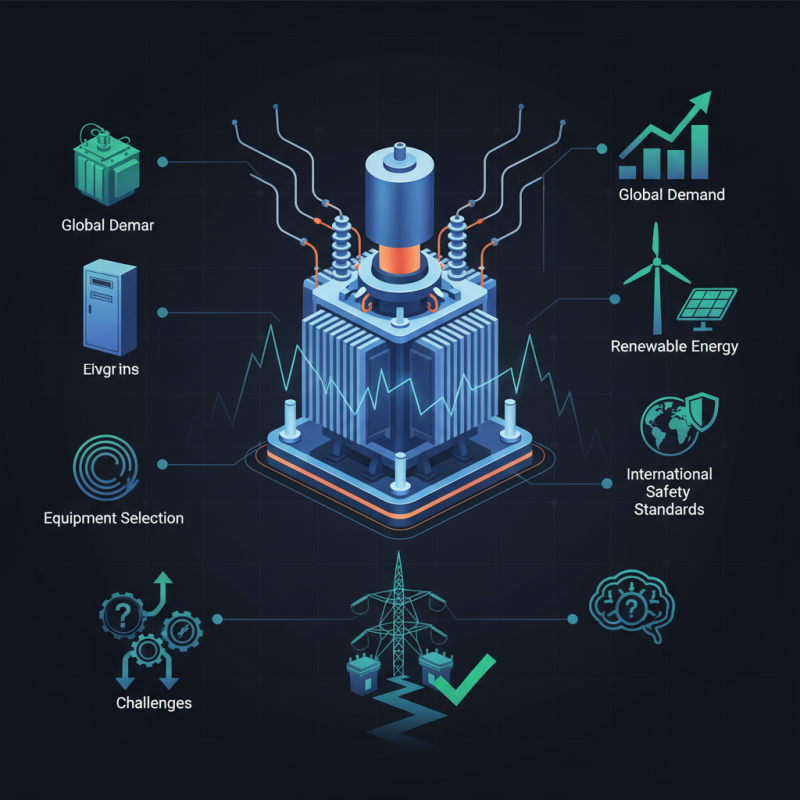
The global demand for reliable electric power systems is on the rise. High Voltage Power Frequency Test is crucial for ensuring the safety and durability of electrical equipment. According to industry reports, the high voltage testing market is projected to grow significantly, driven by increasing investments in renewable energy and infrastructure.
Using High Voltage Power Frequency Test equipment helps manufacturers adhere to international safety standards. Testing validates the performance of transformers, switchgear, and cables under high stress. The importance of these tests cannot be overstated; failure to comply can result in catastrophic failures and economic losses.
Despite advancements, challenges remain. Many companies struggle to select appropriate testing equipment. Additionally, the variances in global standards can lead to confusion in compliance requirements. Recognizing these complexities is essential for global buyers seeking reliable high voltage test solutions. An informed approach can mitigate risks and enhance safety.
High voltage power frequency test equipment is pivotal in assessing the reliability of electrical insulation systems. These systems are essential for the stability of power networks, particularly in transformers and switchgear. A recent industry report highlights that nearly 70% of failures in electrical systems can be traced back to inadequate insulation testing. Such failures not only incur substantial repair costs but also lead to significant downtime.
In the context of this testing equipment, understanding its functions and applications is crucial. Devices in this category generally operate under 50 Hz to 60 Hz frequencies and apply voltages ranging from a few kilovolts to hundreds of kilovolts. Properly calibrated equipment can simulate real-life operational conditions. However, misuse or incorrect settings can lead to flawed results. Experts stress the importance of rigorously following operational protocols to avoid skewed data.
Furthermore, the demand for reliable testing equipment is increasing. The global market is projected to grow by over 6% annually, fueled by advancements in technology and rising safety regulations. Nevertheless, many facilities lack updated equipment or trained personnel. This gap raises critical questions about operational safety and compliance. The implications of inadequate testing are far-reaching, underscoring the need for industry best practices in testing and maintenance.
High voltage testing equipment is crucial in power systems for ensuring reliability and safety. A variety of equipment types are available globally, each serving specific testing purposes. Among these, the dielectric strength testing devices are essential for assessing insulation integrity. Reports from the International Electrotechnical Commission (IEC) suggest that effective insulation testing can prevent up to 70% of electrical failures in power systems.
Another significant category includes power frequency tests, which measure the performance of power apparatus under standard conditions. These tests help identify weaknesses in electrical components. According to industry analysts, the demand for such equipment has surged by 25% over the past five years, driven by increased infrastructure investments worldwide.
However, there are challenges in this market. A considerable portion of high voltage testing equipment lacks user-friendly features. Many operators struggle with complex operations, leading to errors. Additionally, some older equipment does not meet the latest safety standards, prompting a need for regular upgrades. The evolution of smart testing technology may address these flaws, but the transition is slow.
High voltage power frequency test equipment plays a crucial role in ensuring the reliability of electrical systems. Key specifications for this equipment often include voltage ranges, frequency settings, and insulation resistance thresholds. Typically, these tests evaluate the dielectric strength of materials and systems. A common standard for high voltage testing is the IEC 60060 series, which outlines methods for high voltage and high current testing.
Note that it’s essential to choose equipment that complies with internationally recognized standards. The latest market analysis suggests a growing demand for high voltage testing equipment, with projections indicating a market size growth of 5.2% annually. This shift underscores the increased emphasis on safety and regulatory compliance. However, inaccuracies in testing setups can lead to misleading results, stressing the need for routine calibration and echoing the importance of skilled technicians.
Tips: Always verify equipment specifications against current standards before procurement. Regular training helps technicians to stay updated with testing methodologies. Ensure traceability in testing results to maintain quality assurance.
When purchasing high voltage power frequency test equipment, consider several factors to make an informed decision. Quality and reliability are paramount. Equipment should meet industry standards. Look for certifications that demonstrate compliance. This ensures that your testing will be accurate and trusted.
Another important factor is the equipment's versatility. It should support various testing needs. Different environments and applications may require unique configurations. Flexibility in testing ranges can save time and resources. Ensure the equipment offers clear user instructions and technical support.
Budget is always a concern. Prices may vary significantly across the market. Balancing cost with quality is essential. Consider long-term investment benefits. Cheaper equipment may lead to more issues down the line. Weighing these factors against your specific requirements is crucial for any buyer.
| Feature | Importance | Specifications | Price Range (USD) |
|---|---|---|---|
| Test Voltage | Critical | 0-100 kV | $5,000 - $15,000 |
| Calibration Standards | Essential | ISO/IEC Compliant | Included |
| Weight | Moderate | 100-200 kg | N/A |
| Remote Operation | Highly Useful | Yes/No | Varies |
| Warranty Period | Important | 1-3 years | Included |
| User Interface | Very Important | Touch Screen | N/A |
High voltage power frequency test equipment is crucial for ensuring the reliability of electrical systems. Recent trends reveal a shift towards more portable and user-friendly designs. Innovations focus on increasing efficiency while reducing weight and size. This makes testing easier in various environments.
A key development is the integration of digital technology. Modern devices offer real-time data analysis and improved accuracy. Users can access diagnostics through mobile applications. This enhances operational efficiency and allows for proactive maintenance. However, the learning curve for new technology can be steep, posing challenges for some professionals.
Sustainability is also a growing concern in this field. Manufacturers are exploring eco-friendly materials and energy-efficient processes. Balancing performance and environmental impact is a critical ongoing discussion. Some traditional practices may not align with modern sustainability goals, prompting a reevaluation of existing methods. Such innovation brings both promise and reflection on industry standards.