How to Choose a Water Drilling Rig?
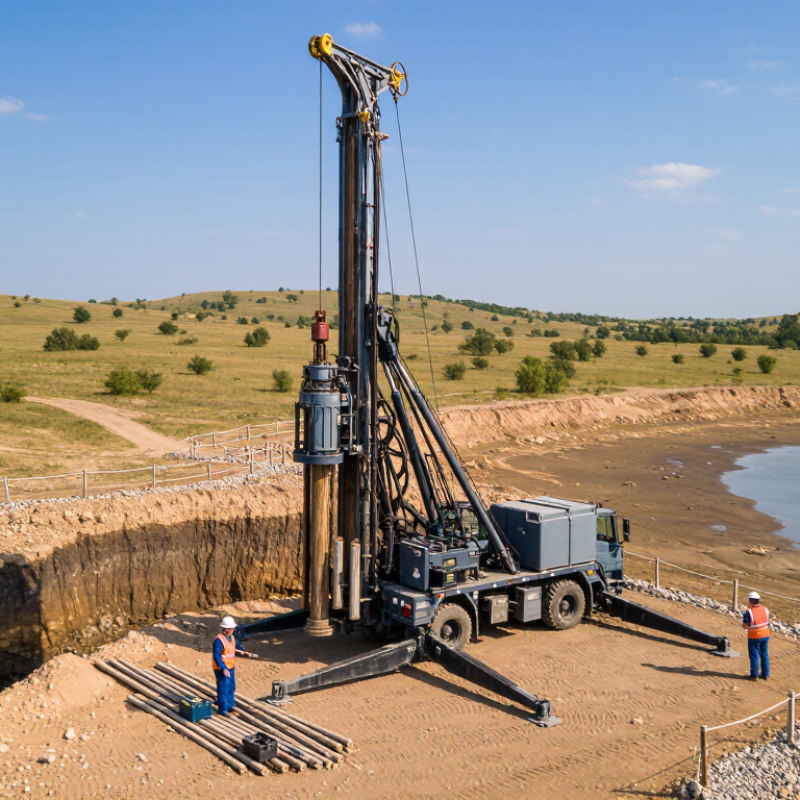
Choosing a Water Drilling Rig starts with understanding the ground, the required well depth, and the water demand. A machine that performs well in soft soil may struggle with dense rock or mixed formations. That difference affects drilling speed, equipment wear, and project cost. A site assessment can reveal useful clues, such as rocky cuttings, loose sand, or a high water table. Local drilling experience matters, but conditions can change within a short distance.
Compare rigs by drilling method, depth capacity, torque, feed force, and available tools. Check whether the setup can handle the expected borehole diameter and casing, not just the advertised maximum depth. A compact rig may fit a narrow access road or small worksite. A larger unit may offer more power but require extra transport space and setup time. No rig fits all. Pay attention to maintenance access, parts availability, operator training, and the manufacturer’s service support. These details are easy to overlook when comparing price tags.
Before making a decision, match technical specifications with a realistic project plan. Ask suppliers for operating limits, service records, and examples from similar ground conditions. Confirm that the proposed rig suits the site, crew, and intended water supply. A specification sheet cannot predict every underground change. Even experienced teams need to adjust when drilling reveals unexpected layers. The best choice is not necessarily the biggest or newest machine; it is the one that can complete the work safely, reliably, and within the project’s practical limits.
Define the Well’s Purpose, Target Depth, and Site Conditions
How to Choose a Water Drilling Rig?
Define the Well’s Purpose, Target Depth, and Site Conditions
Start by defining what the well must supply. A household well may need steady water for drinking, cooking, and bathing. An irrigation well may need higher flow during dry months. Estimate daily demand and desired flow before comparing rigs. These figures help determine drilling capacity, pump requirements, and well diameter. Guessing can lead to an expensive mismatch.
Next, estimate the target depth using nearby well records and local geological information. Depth can vary sharply across short distances. Check for rock layers, loose sand, groundwater changes, and seasonal fluctuations. Site access matters too. A narrow driveway, soft ground, low branches, or nearby buildings may limit rig size and setup. Ask a qualified local drilling professional to assess uncertain ground conditions and recommend a suitable drilling method. Even good records are imperfect; treat estimates as a starting point, not a promise.
Tips: Share a site sketch, access measurements, and nearby well depths with the driller. Ask how the rig handles the expected formations and what happens if the well must go deeper. Confirm space for equipment and safe handling of drilling materials before work begins.
Compare Rig Types and Compatible Drilling Methods
Choosing a water drilling rig means matching the machine to the ground and the drilling method. The USGS report Estimated Use of Water in the United States in 2015 records 82.3 billion gallons of groundwater withdrawn daily. That scale makes dependable well construction important. Access matters. A compact rig can reach a tight rural site, while a larger truck-mounted unit may handle deeper work and heavier tooling.
Rotary rigs support several methods, but the method must fit the formation. Mud rotary circulates drilling fluid to carry cuttings and stabilize loose sand or gravel. Air rotary, often paired with a down-the-hole hammer, suits hard, fractured rock. Cable-tool rigs use repeated percussion rather than continuous rotation; they can work in varied formations, but drilling is typically slower. The US EPA’s Handbook of Suggested Practices for the Design and Installation of Ground-Water Monitoring Wells discusses these method differences and site constraints.
Compare more than advertised depth. Check expected casing diameter, compressor or fluid-system needs, transport clearance, and whether the contractor can manage changing geology. A rig suited to solid rock may struggle in unstable sediments without the right fluid system. One detail is easy to overlook: the water table and fractured zones can vary across a short distance. I would verify local bore logs before choosing. They are imperfect evidence, but often more useful than a generic depth estimate.
Match Drilling Capacity to Geology and Water Requirements
Choosing a water drilling rig starts with two questions: what lies underground, and how much water must the well deliver? Loose sand, hard rock, and layered formations demand different bit systems, torque, and flushing methods. Check nearby well logs, static water levels, and pumping-test results before comparing advertised drilling depths. Depth alone misleads. A deep-rated rig can still struggle to clear sticky clay or fractured rock.
Water demand matters just as much. The USGS reported 82.3 billion gallons per day of U.S. groundwater withdrawals in 2015, about 23% of total freshwater withdrawals (Estimated Use of Water in the United States in 2015, USGS Circular 1441, 2018). That national figure is context, not a design flow for one borehole. Match rig capacity to required yield, expected drawdown, well diameter, and aquifer conditions; confirm the result with a controlled pumping test. Check mast height, compressor or pump capacity, and rod handling for the selected drilling method. Avoid buying capacity on depth claims alone. Even careful estimates miss surprises; a thin water-bearing fracture can change the plan.
Assess Mobility, Power Supply, Safety, and Support Needs
Choose a rig for the route it must travel, not just the depth on its specification sheet. Measure gate width, turning space, ground bearing, and overhead clearance; a narrow farm track can rule out a large truck-mounted unit. The USGS 2015 water-use assessment estimated U.S. groundwater withdrawals at 82.3 billion gallons per day. That national figure does not predict one well’s demand, but it underlines how widely project conditions vary. Mobility matters.
Match power to the full operating load. Check the rig, pump, compressor, and auxiliary equipment together, including startup surges. Confirm fuel or electrical supply at the site, and ask how refuelling or generator servicing will affect daily work. A neat capacity figure can be misleading. I would verify it against the actual drilling method and expected ground conditions.
Safety and support deserve equal scrutiny. The U.S. Bureau of Labor Statistics recorded 1,075 fatal work injuries in construction in 2023; this is broad-sector data, not a drilling-specific rate. Still, it reinforces the value of checking mast stability, emergency stops, guarding, and safe access before mobilization. Ask about operator training, spare-part availability, and service response times. Plan for downtime. A cheaper rig is a poor fit if a failed component leaves the crew waiting for days.
Compare Total Costs, Maintenance, and Local Regulations
Compare a water drilling rig by its full operating cost, not its purchase price. Include transport, bits, fuel, crew training, water handling, and downtime. A low-cost rig may become expensive when parts are difficult to source locally. Ask for maintenance intervals, common failure points, and realistic repair times. That estimate can be too neat. Budget for worn hoses, replacement bits, and mechanic travel. Even one muddy access road can delay a job and raise costs.
Water availability and local rules affect the choice, too. USGS Circular 1441 reports groundwater withdrawals of 82.3 billion gallons per day in the United States in 2015, roughly one-quarter of freshwater withdrawals. Conditions still vary sharply by site. Check local well permits, drilling standards, setbacks, and reporting requirements before comparing equipment. The U.S. EPA notes that private wells are generally regulated by state and local authorities, not federally under the Safe Drinking Water Act. Testing also adds a recurring expense: EPA guidance recommends annual checks for bacteria, nitrates, total dissolved solids, and pH. Put those costs beside expected service needs. A spreadsheet helps, but it can miss a local fee or a long wait for a qualified technician.
 Skip to content