Laser Cutting Consumables What You Need to Know for Sourcing
Laser cutting has transformed manufacturing with its precision and efficiency. However, the effectiveness of this technology often relies on quality Laser Cutting Consumables. These materials, ranging from nozzles to lenses, play a crucial role in the cutting process. Selecting the right consumables can significantly impact the final product's quality.
Understanding Laser Cutting Consumables requires a blend of technical knowledge and practical experience. For example, the choice of nozzle affects both the cutting speed and the kerf width. Poor selections can lead to excessive wear and increased production costs. Reflecting on past projects often reveals missteps in sourcing these essential items.
While it may seem simple, sourcing quality Laser Cutting Consumables is not straightforward. Diverse suppliers offer varying qualities and prices, making the decision process complex. Engaging with knowledgeable suppliers can help mitigate risks. Ultimately, the right choices can enhance productivity and reduce waste, leading to more successful cutting operations.
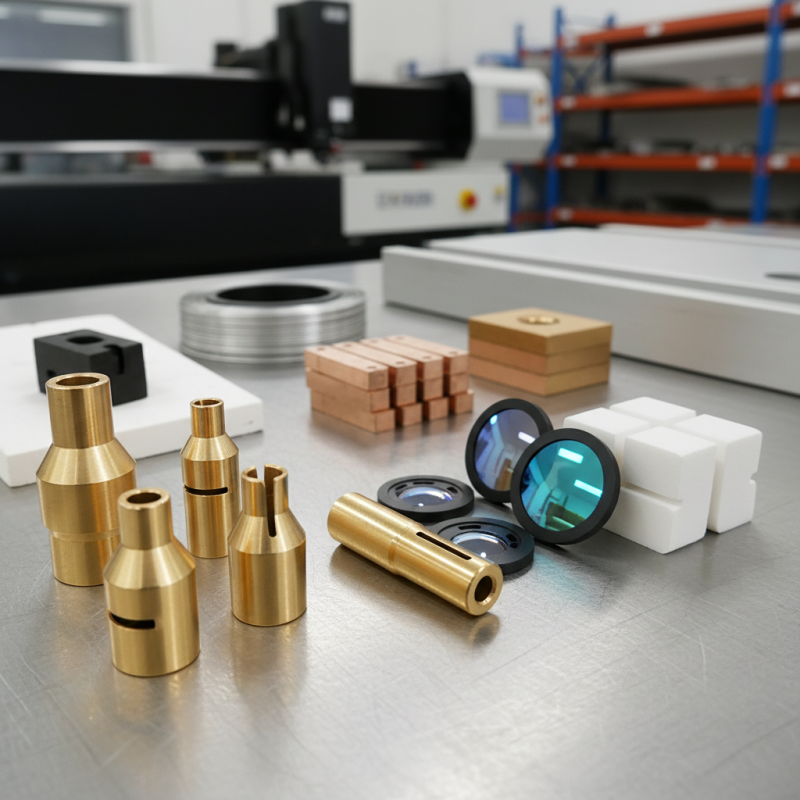
Understanding Laser Cutting Consumables: An Overview
Laser cutting technology has gained significant traction across various industries. The effectiveness of this process largely relies on the quality of consumables used, such as nozzles, lenses, and gases. Understanding these components is crucial for optimizing performance and minimizing costs. Reports indicate that inferior consumables can reduce cutting efficiency by up to 25%. This highlights the need for careful sourcing.
High-quality lenses, for example, facilitate better light transmission, improving cut quality. It's estimated that using a premium lens can enhance productivity by as much as 15%. Conversely, many users overlook regular maintenance. Neglected nozzles can lead to poor cutting and unnecessary waste. This can create lasting impacts on project budgets and timelines.
Moreover, the choice of gas impacts the speed and quality of cuts. For instance, oxygen and nitrogen are common, but their effectiveness depends on the material being cut. A recent industry analysis showed that selecting the wrong gas can lower cutting accuracy by over 30%. Many companies still fail to evaluate their consumables properly, resulting in increased operational costs. Understanding these factors is essential for achieving optimal performance in laser cutting applications.
Types of Laser Cutting Consumables and Their Uses
When it comes to laser cutting, understanding consumables is crucial for effective sourcing. Laser cutting machines require various consumables to function optimally. These include nozzles, lenses, and assist gases. Each component plays a unique role in achieving precise cuts and maintaining efficiency.
Nozzles are vital for directing the laser beam and assist gas flow. They come in different shapes and sizes. The right nozzle can enhance cutting speed and quality. Lenses focus the laser beam accurately. It's important to choose lenses according to the material you are cutting. The wrong lens can lead to poor results and wasted resources.
Assist gases like oxygen or air are equally important. They help in cutting and removing molten material. The type of gas used can affect the cut's edge finish. Failing to select the right gas can lead to subpar performance. Always consider the material type and thickness when sourcing these consumables. Understanding these details can save time and improve output quality.
Factors to Consider When Sourcing Laser Cutting Consumables
When sourcing laser cutting consumables, several key factors come into play. Quality is paramount. Poor quality materials can lead to inefficiency and increased operational costs. Always check specifications carefully. Ensure that the products align with your cutting requirements.
Consider the compatibility of the consumables with your laser cutting machine. Mismatched components can lead to issues that affect performance. It's also wise to evaluate supplier reliability. Research their track record. A trustworthy supplier enhances your workflow.
Tips: Build relationships with suppliers. They can offer insights and recommendations. Don’t hesitate to ask questions about product performance and longevity. Monitor your consumables' usage. Keep a log to identify patterns in performance. This helps in making informed decisions on future purchases. Regularly review your sourcing strategy. Reflecting on past choices can lead to better outcomes.
How to Evaluate the Quality of Laser Cutting Consumables
When sourcing laser cutting consumables, evaluating their quality is crucial. High-quality consumables impact the cutting speed, precision, and overall outcome of your projects. A study by the Laser Institute of America indicates that poor consumables can lead to a 15% decrease in cutting efficiency. Therefore, it is essential to focus on specific characteristics when assessing quality.
One important aspect to consider is the material composition of the consumables. For example, nozzles made from top-grade alloys can significantly prolong their lifespan. Additionally, examining the uniformity of these components can provide insight into their durability. Discrepancies in quality can lead to inconsistent cutting results.
Tips: Always request material certification from suppliers. Check for customer feedback that addresses the durability and performance of consumables. It is wise to test small samples before committing to larger orders. Engaging with industry experts can also help clarify performance expectations.
Quality should not be assumed based solely on price. While cost-effective options might seem appealing, they can obscure long-term value. A comprehensive evaluation avoids the pitfalls of procuring subpar components, which can ultimately compromise the effectiveness of your laser cutting operations.
Cost Considerations and Budgeting for Laser Cutting Consumables
When sourcing laser cutting consumables, budgeting is vital. Costs can vary widely based on the type and quality of materials. Make sure to account for expenses like lenses, nozzles, and gas supplies. These components are essential for efficient cutting and can impact overall production quality.
Understanding your usage patterns can help you refine your budget. Frequent changes in material thickness or type may increase costs. It's crucial to track consumption and adjust orders accordingly. Seek reliable suppliers to ensure consistent quality without unexpected price hikes.
Consider unexpected expenses as well. Maintenance of equipment might require additional funds. Over time, consumable wear can lead to diminished performance. Regular assessments of both equipment and materials will save money. Balancing quality and cost can be challenging, but it is necessary for sustainable production.
Laser Cutting Consumables Cost Considerations
| Consumable Type | Average Cost ($) | Lifespan (Hours) | Cost per Hour ($) | Recommended Quantity |
| Laser Lens | 50 | 300 | 0.17 | 2 |
| Nozzle | 30 | 200 | 0.15 | 3 |
| Reflector | 75 | 500 | 0.15 | 1 |
| Gas (Oxygen/Nitrogen) | 15 | 100 | 0.15 | 10 |
| Protective Covers | 20 | 50 | 0.40 | 5 |
 Skip to content