How to Maintain Rotating Machines for Optimal Performance?
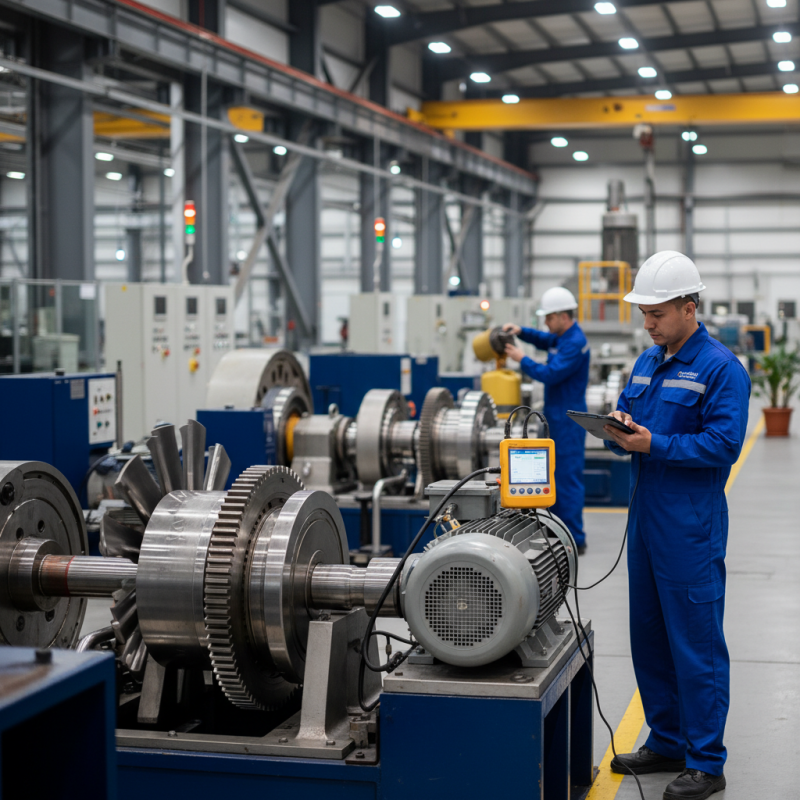
Maintaining Rotating Machines is critical for their efficiency and longevity. According to Dr. John Miller, a leading expert in mechanical engineering, “Proper maintenance enhances the reliability of rotating machines.” This statement underscores the necessity of a robust maintenance strategy.
Rotating machines, including turbines and motors, operate under immense stress. Over time, wear and tear can lead to failures if not properly addressed. Regular inspections help identify signs of deterioration. This includes monitoring vibrations and checking lubrication levels. Neglect can result in costly downtime and repairs, demonstrating a clear need for proactive measures.
While many industries understand the importance of maintenance, challenges remain. Staff may lack training, or budgets may be tight. This neglect can have serious repercussions. Identifying those gaps is essential to developing a more effective maintenance plan for rotating machines. Therefore, striking a balance between costs and maintenance efforts is crucial for optimal performance.
Best Practices for Lubrication to Enhance Machine Efficiency
Lubrication plays a crucial role in maintaining the efficiency of rotating machines. Proper lubrication reduces friction, which can lead to wear and tear over time. Regularly check the oil levels in your machines. Low oil levels can cause overheating and eventual failure. Use the right type of lubricant based on the machine’s specifications. Each machine has unique requirements, and mismatched lubricants can cause more harm than good.
Consider the environment where machines operate. Dust and debris can contaminate lubricants. This contamination might lead to unexpected breakdowns. Implementing regular cleaning routines can mitigate this risk. Additionally, monitor lubricating intervals based on operational hours. Machines operating under heavy loads may require more frequent lubrication. Adjusting these intervals can greatly improve performance.
Reviewing lubrication effectiveness is essential. Sometimes, measuring performance can reveal surprising results. If a machine shows signs of increased friction, it might indicate a lubrication issue. Take the time to analyze your lubrication practices. Look for areas that could use improvement. Reflect on the past maintenance records. Learning from previous mistakes can lead to enhanced machine reliability over time.
Vibration Analysis Techniques for Identifying Mechanical Issues
Vibration analysis is crucial for maintaining rotating machines. It helps identify mechanical issues before they escalate. Monitoring vibrations can reveal problems like imbalance, misalignment, or bearing wear. Each of these issues can lead to costly downtime and repairs. Early detection can save both time and money.
Tips: Regularly check your vibration readings. Look for patterns, not just anomalies. Small changes in vibration levels can indicate underlying problems. Using baseline data can help you understand what’s normal.
When analyzing vibrations, focus on frequency ranges. Different issues produce specific vibration frequencies. For instance, misalignment might show high energy at certain frequencies. Use this information to guide your maintenance efforts.
It's essential to keep in mind that not every vibration change signifies a problem. Some fluctuations are normal. Constantly reassessing your findings can be challenging. Aim to create an environment where maintenance is proactive, not reactive. Small adjustments can make a big impact.
Regular Maintenance Schedules: Frequency and Key Components
Regular maintenance schedules are crucial for rotating machines. These machines play a vital role in various industries, making their upkeep essential for efficiency. Setting a maintenance frequency is important. Many experts recommend a monthly check-up for critical components. This ensures that minor issues do not escalate into major problems.
Key components to monitor include bearings, belts, and lubrication systems. Bearings should be checked for wear and tear regularly. Belts need to be inspected for proper tension and alignment. These checks can prevent unexpected breakdowns. Lubrication is often overlooked but is vital for smooth operation. Many machines fail due to insufficient lubrication.
It’s essential to reflect on maintenance practices often. While we may follow a schedule, are we being thorough? Rushed inspections can lead to overlooking critical aspects. Ensure that each check is conducted with care. Identify areas for improvement in your maintenance routine. Regular reflection can help maintain optimal machine performance.
How to Maintain Rotating Machines for Optimal Performance? - Regular Maintenance Schedules: Frequency and Key Components
| Maintenance Activity | Frequency | Key Components | Expected Outcomes |
| Lubrication | Monthly | Bearings, Gears | Reduced friction, extended lifespan |
| Vibration Analysis | Quarterly | Motors, Shafts | Early detection of faults, minimized downtime |
| Belt Tension Check | Monthly | Drive Belts | Optimized power transmission, reduced wear |
| Electrical Inspection | Biannual | Wiring, Connections | Safety assurance, prevention of electrical failures |
| Cleaning and Debris Removal | Weekly | External Surfaces, Filters | Improved cooling efficiency, reduced fire hazards |
Temperature Monitoring Methods for Rotating Equipment Integrity
Monitoring temperature is crucial for rotating equipment. Consistent temperature checks can prevent failures. High temperatures often indicate friction or other issues. Using infrared thermometers is one way to monitor. They offer non-contact temperature readings quickly. Regular checks can help spot trends early.
Additionally, thermocouples are reliable for ongoing monitoring. These devices can provide real-time data. However, installation can be challenging. Wrong placement may lead to inaccurate readings. It’s essential to ensure proper positioning for reliable results.
Another method includes using thermal imaging cameras. These can visualize hot spots on equipment. They identify overheating parts that might be missed. Yet, they are often pricey and may not fit all budgets. Each method has its pros and cons, and evaluating them can be overwhelming. Regular reviews and updates of monitoring methods can enhance equipment performance.
Predictive Maintenance: Using Data Analytics for Longevity and Performance
Predictive maintenance is a game changer for rotating machines. By analyzing data from sensors, we can forecast failures. This method focuses on understanding wear patterns and operational conditions. Instead of reacting to breakdowns, teams can prevent them. Imagine knowing when a part will fail before it actually does. This foresight saves time and money.
Collecting data from machines is crucial. Vibration analysis, temperature readings, and operational hours reveal a lot. However, data alone isn't enough. Proper interpretation is essential. Teams must learn to analyze trends effectively. Mistakes in analysis can lead to unexpected downtimes. Regularly reviewing processes helps in understanding the nuances better.
Maintenance schedules also need re-evaluation. Sticking to traditional timelines may not be effective anymore. Some machines might need attention more frequently, while others less often. Listening to the data is vital. Past experiences should inform future decisions, but new data can challenge old assumptions. This cycle of learning and adapting is key to maintaining optimal performance.
Predictive Maintenance Metrics for Rotating Machines
This chart illustrates the effectiveness of various predictive maintenance techniques for rotating machines. Each technique is scored based on its impact on machine performance, providing insights for optimal maintenance strategies.
 Skip to content