What is Sch 40 Erw Pipe and Its Applications in Global Markets?
The Sch 40 Erw Pipe, commonly found in various industries, holds significant importance in global markets. Its standard sizing and reliable construction make it a preferred choice for many applications. These pipes are produced via electric resistance welding, ensuring high strength and durability, especially in demanding environments.
In construction and infrastructure, Sch 40 Erw Pipe plays a crucial role. Whether it's for water lines or structural frameworks, this type of pipe is vital. Challenges often arise, such as ensuring proper handling and installation. Missteps here can lead to leaks or structural weaknesses, which costs time and resources.
The global market for Sch 40 Erw Pipe shows increasing demand. Industrial growth fuels its use in energy, water supply, and construction. However, buyers must navigate quality variations and sourcing issues. Understanding these pipes' specifications and applications is essential for making informed decisions.
Definition and Composition of Sch 40 Erw Pipe
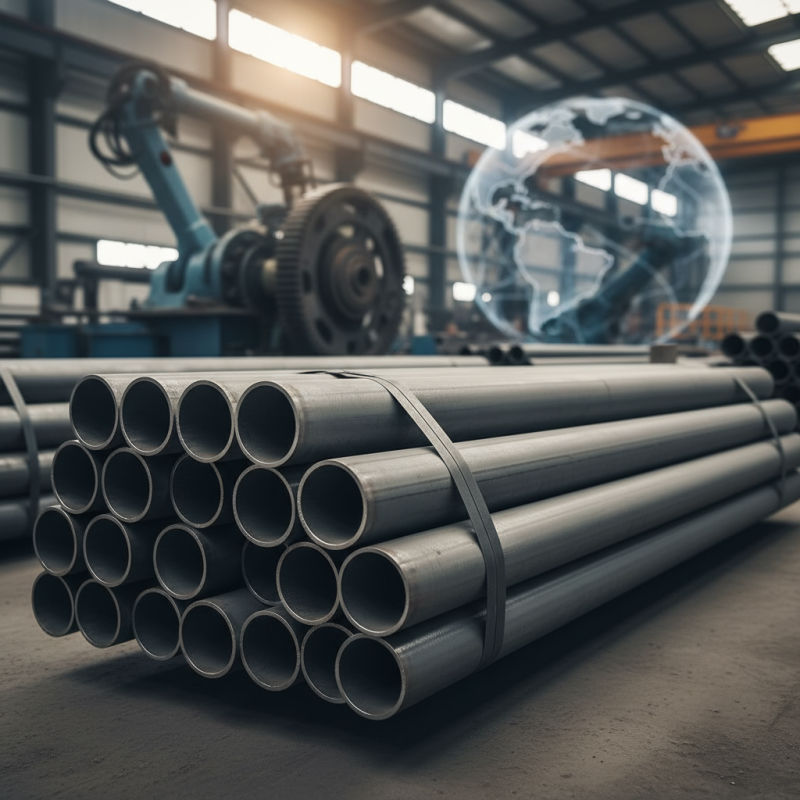
Sch 40 Erw Pipe, or Schedule 40 Electric Resistance Welded Pipe, is widely used in various industries. It is made from carbon steel and has a specific wall thickness. The standard dimensions and characteristics make it versatile for many applications. This pipe is often used in plumbing, gas, and structural applications.
The composition of Sch 40 Erw Pipe generally includes around 0.18% carbon. Other alloys may be included to enhance strength and corrosion resistance. According to a recent industry report, the global demand for carbon steel pipe is expected to reach over $100 billion by 2026. This growth is driven by infrastructure projects and the rising energy sector.
Tips: When selecting Sch 40 Erw Pipe, consider the specific requirements of your project. Ensure compliance with local standards. Quality checks during manufacturing play a crucial role in performance. Not all pipes are created equal. It's essential to verify that the pipe meets necessary specifications for your intended use.
Manufacturing Process of Sch 40 Erw Pipe
The manufacturing process of Schedule 40 Electric Resistance Welded (ERW) pipe involves several crucial steps. Initially, high-quality steel coils are sourced to ensure durability. These coils undergo a slitting process, where they are cut into narrower strips, appropriate for pipe formation. Next, the strips are heated and formed into a pipe shape. During this process, edges are aligned, and a significant amount of pressure is applied to initiate welding, resulting in a strong longitudinal seam.
Post-welding, pipes go through an array of tests to ensure quality and compliance with industry standards. These tests include non-destructive testing to check for any internal or external flaws. According to the American Society for Testing and Materials (ASTM), Schedule 40 pipes must meet stringent specifications. This quality assurance is vital in applications where structural integrity is paramount.
Tip: Always consider the pipe's specifications according to the intended application. For instance, in construction, using the correct schedule can prevent failures.
The cooling process that follows also requires careful monitoring. Pipes must be cooled gradually to prevent warping. Additionally, finishing touches like coating can enhance corrosion resistance. Manufacturers should reflect on their processes for continuous improvement, focusing on efficiency without compromising quality. Regular audits and updates to machinery can help maintain standards in this competitive market.
What is Sch 40 Erw Pipe and Its Applications in Global Markets?
| Dimension (inches) | Wall Thickness (inches) | Weight (lbs/ft) | Applications | Market Regions |
| 1/2 | 0.109 | 0.84 | Plumbing, HVAC | North America, Europe |
| 3/4 | 0.113 | 1.03 | Oil & Gas, Construction | Asia, Middle East |
| 1 | 0.133 | 1.68 | Transmission Lines, Industrial | Africa, Latin America |
| 1 1/4 | 0.140 | 2.24 | Chemical Processing, Water Supply | Global |
| 1 1/2 | 0.145 | 3.06 | Marine Applications, Fire Protection | North America, Europe |
Key Properties and Specifications of Sch 40 Erw Pipe
Sch 40 Erw Pipe is widely used in various industries. It features a nominal diameter and wall thickness. This standard pipe is notable for its versatility and strength. Typically made from low-carbon steel, it offers excellent mechanical properties. A wall thickness of 0.375 inches is standard for a 10-inch pipe. This thick wall makes it suitable for high-pressure applications.
In construction, Sch 40 Erw Pipe is used for structural supports. These pipes are also common in plumbing, conveying water under pressure. Its durability makes it a preferred choice in HVAC systems.
Tips: Always check pipe specifications before purchasing. Not all applications require Sch 40. Sometimes, a different schedule may provide better performance.
While Sch 40 pipes work well for many needs, it's important to assess the specific requirements of each project. Application conditions can significantly influence material choice. Consider factors like temperature and stress levels. Proper evaluation ensures safety and longevity in installation.
Applications of Sch 40 Erw Pipe in Various Industries
Sch 40 Erw pipe, widely used in construction, is known for its durability and versatility. Its applications spread across various sectors, notably in oil and gas, water supply, and power generation. The seamless design enables it to withstand high pressure and temperature. As a result, it plays a crucial role in infrastructure projects globally.
In the oil and gas industry, Sch 40 Erw pipes are vital for transporting both natural gas and crude oil. Their strength ensures safe delivery under extreme conditions. In water supply systems, they provide reliable pathways for clean water distribution. These pipes are resistant to corrosion, making them ideal for harsh environments.
Tips: When selecting pipes, consider the specific requirements of your project. Ensure that the pipe diameter meets your flow needs. Always check the specifications for compatibility with other materials.
In power generation, these pipes support steam and cooling systems. Their efficiency can impact overall system performance. However, careful installation is critical. Improper fitting can lead to leaks and inefficiency. Always engage experienced professionals for this task.
Global Market Trends and Demand for Sch 40 Erw Pipe
The demand for Schedule 40 ERW (Electric Resistance Welded) pipes is experiencing significant growth globally. According to a recent market report, the global ERW pipe market is expected to reach $43 billion by 2026, propelled by the increasing need for effective piping solutions across various sectors. These pipes are primarily used in oil and gas, construction, and water transportation industries, highlighting their versatility.
In North America, the growth rate of ERW pipes is anticipated to rise by 5% annually. The surge in infrastructure development and energy projects contributes to this trend. However, challenges such as fluctuating raw material prices could impact this growth. The market is also witnessing a shift towards sustainability. Companies are exploring options to enhance production efficiencies and reduce the carbon footprint associated with pipe manufacturing.
Asia-Pacific holds a substantial share of the ERW pipe market. Rapid urbanization and industrialization are leading factors fueling demand. Countries like India and China are investing heavily in infrastructure projects. Yet, the quality of raw materials used remains a concern. Ensuring consistent quality is critical for maintaining the integrity of pipelines in diverse applications. Continued monitoring of these trends is crucial for stakeholders navigating this dynamic landscape.
 Skip to content