Skip to content

What is Stainless Steel Chains and Why are They Important?

Stainless steel chains play a crucial role in various industries. Their durability and resistance to corrosion make them essential for many applications. John Smith, a leading expert in industrial chains, says, “Stainless steel chains combine strength with longevity, making them indispensable in our daily operations.”

In the construction and manufacturing sectors, these chains are vital. They transport heavy loads with reliability. However, not all stainless steel chains are created equal. Some may lack the appropriate alloy composition for specific environments, leading to premature wear. This highlights the importance of choosing the right type for each task.

Understanding stainless steel chains is not just about knowing their function. It requires expertise in material properties and manufacturing processes. As industries evolve, the demand for high-quality chains grows. Ensuring that your choice of stainless steel chains meets the proper standards is key to operational success.
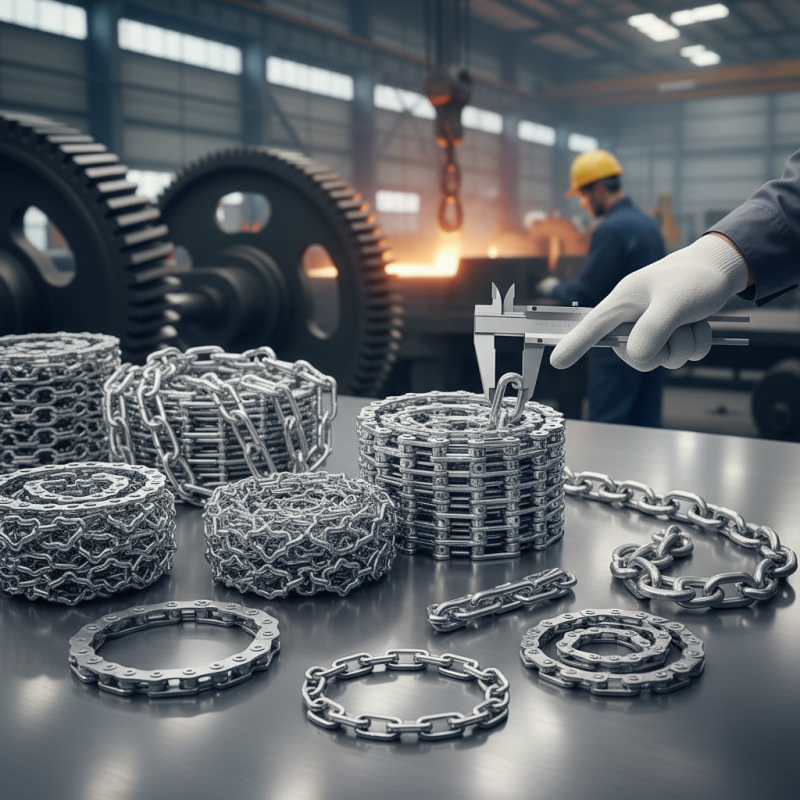
What is Stainless Steel Chains and Why are They Important?

What are Stainless Steel Chains?

Stainless steel chains are versatile tools used in various industries. They are made from steel alloyed with chromium, providing resistance to corrosion and rust. This quality is crucial for applications exposed to moisture or harsh environments. The strength and durability of stainless steel chains make them ideal for heavy lifting and securing items.

These chains find use in construction, marine applications, and manufacturing. They can withstand significant loads without stretching or breaking. However, not all stainless steel chains are created equal. Variations in alloy composition can impact their performance. Buyers should carefully consider their specific needs. A chain that works well in one setting may underperform in another.

The aesthetic appeal of stainless steel also cannot be ignored. It offers a sleek and modern look, making it suitable for decorative applications. Yet, some may overlook the importance of regular maintenance. Dirt and grime can affect the chain's performance over time. It's vital to clean and inspect them regularly to ensure they remain functional.

Characteristics and Properties of Stainless Steel Chains

Stainless steel chains are crucial in various industries due to their unique characteristics. They are known for exceptional corrosion resistance. This property makes them ideal for outdoor use, especially in harsh environments. Additionally, the durability of stainless steel chains is noteworthy. They can withstand heavy loads and resist wear over time, which contributes to their popularity.

Another important feature is their aesthetic appeal. Stainless steel has a shiny, polished look that enhances its surroundings. This makes it suitable for decorative purposes as well. However, while these chains are robust, they are not invincible. Under extreme conditions, they may still corrode or weaken. Regular maintenance is essential to ensure longevity.

The versatility of stainless steel chains is significant. They are used in construction, marine applications, and even in household items. Their adaptability is a key reason for their widespread use. Yet, understanding the optimal applications is essential. Misusing them can lead to failure under pressure. This highlights the need for proper knowledge when selecting materials.

Applications of Stainless Steel Chains in Various Industries

Stainless steel chains serve various important functions across multiple industries. In the construction sector, they provide reliable strength for lifting heavy materials. These chains resist rust and corrosive effects, ensuring longevity. In marine industries, stainless steel chains are vital for anchoring boats, given their resistance to saltwater corrosion.

Manufacturing plants also rely on stainless steel chains for conveyor systems. These chains enable smooth transport of materials, essential for efficiency. However, maintenance is critical. Over time, even stainless steel can show wear, which might affect performance. Regular inspections help identify potential issues before they lead to failure.

In the food processing industry, cleanliness is non-negotiable. Stainless steel chains fulfill this requirement, as they can be easily sanitized. Their durability against high temperatures is another advantage. Still, challenges exist, such as the possibility of chain elongation under heavy loads. Balancing strength and flexibility is an ongoing aim for engineers.

Advantages of Using Stainless Steel Chains Over Other Materials

Stainless steel chains are widely used in various industries due to their remarkable properties. One key advantage is their resistance to rust and corrosion. Unlike chains made from other materials, stainless steel maintains its integrity even in harsh environments. This makes it an ideal choice for marine applications, outdoor settings, and places where exposure to moisture is high.

Another significant benefit is their strength-to-weight ratio. Stainless steel chains are strong yet lightweight, allowing for easier handling and installation. This combination makes them suitable for lifting tasks in construction and manufacturing. Additionally, they offer durability that minimizes the need for frequent replacements. However, some may find them more expensive than alternatives. This raises a question about cost-effectiveness, especially if the initial budget is tight.

Despite their advantages, the choice of stainless steel chains should consider specific needs and conditions. Sometimes, the best material may vary depending on the application. Reflecting on your requirements ensures that you make informed decisions. Exploring the nuances of different materials can lead to a better understanding of their functionalities and limitations.

Maintenance and Care Tips for Stainless Steel Chains

Stainless steel chains are recognized for their durability and resistance to corrosion. They often find use in various applications, from industrial machinery to decorative items. However, proper maintenance is key to ensuring their longevity. Regular cleaning helps to prevent rust or tarnish. Use mild soap and warm water for this task. Soft brushes can reach crevices that cloth might miss. After washing, thoroughly dry the chains to avoid moisture build-up.

For general care, inspect the chains periodically. Look for wear or any weak links that could lead to failure. Lubricating the chains occasionally can also enhance their performance. A light, non-greasy lubricant can protect against friction. This step may seem tedious but can prevent costly replacements in the long run. Remember, neglect can lead to unexpected problems.

Stainless steel chains require attention, even if they appear robust. Over time, scratches or stains can develop if not monitored. Being proactive in maintenance can save future headaches. It’s wise to assess your environment; exposure to harsh chemicals can threaten their integrity. Stay informed about care techniques to keep your chains in optimal condition.

What is Stainless Steel Chains and Why are They Important? - Maintenance and Care Tips for Stainless Steel Chains

Feature Description Importance
Corrosion Resistance Stainless steel chains are designed to resist rust and corrosion, making them ideal for outdoor and marine applications. Ensures longevity and durability in various environments.
Strength These chains exhibit high tensile strength, making them suitable for heavy-duty applications. Critical for safety and reliability in lifting and transport tasks.
Low Maintenance Stainless steel chains require minimal maintenance compared to other materials. Saves time and resources for users.
Aesthetic Appeal These chains have a shiny, attractive finish that is pleasing to the eye. Enhances the overall appearance of products and installations.
Versatility Stainless steel chains can be used in a wide range of applications, including industrial, commercial, and residential settings. Applicable across numerous industries, making them a versatile choice.