What Is Striping Removal Equipment Used For?
Striping Removal Equipment is used to erase or reduce painted and thermoplastic pavement markings before a surface is restriped, repaired, or repurposed. Crews use it on roads, parking lots, airports, and industrial floors, choosing tools based on the marking material, pavement condition, and work area. Common options include scarifiers, grinders, water-based systems, and specialized shot-blasting machines. Each works differently. Some remove markings through abrasion; others use pressure or controlled impact.
Choosing the right machine is not only about speed. A scarifier may remove thick, stubborn lines, but aggressive cutting can leave grooves in asphalt or concrete. A grinder can provide more control around arrows, symbols, and tight spaces. Water-based removal can limit dust, but runoff and drying conditions need attention. Dust control, noise, and nearby traffic also shape equipment selection. Operators should test a small section, follow the manufacturer’s instructions, and inspect the surface before continuing. That test matters. It can reveal hidden coatings, weak pavement, or unexpected residue. A well-planned job records the test area, removal depth, and any surface damage.
Striping Removal Equipment supports cleaner transitions between old and new markings, helping reduce confusion for drivers and pedestrians. Results still depend on operator skill, maintenance, and site conditions. No machine guarantees a flawless surface. Understanding these limits helps contractors plan realistic work, protect the pavement, and choose a removal method suited to the project rather than forcing one tool onto every job.
What Striping Removal Equipment Is and What It Does
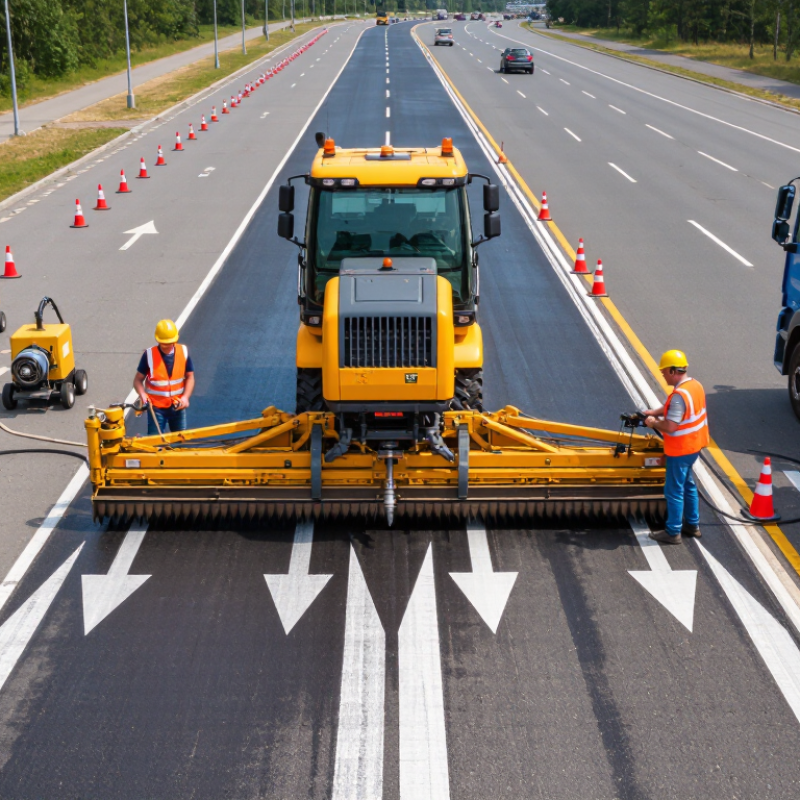
Striping removal equipment is machinery designed to take existing pavement markings off roads, parking lots, and other paved surfaces. Depending on the marking material and pavement, it may use rotating cutters, abrasive wheels, high-pressure water, or other controlled methods. The goal is to remove paint, thermoplastic, or tape while preserving as much of the underlying surface as possible. It is not simply a larger paint scraper. Operators adjust the process to the marking’s thickness, the pavement’s condition, and the required finish.
On a parking lot, a grinding machine may follow a faded white line, collecting dust and fragments as it works. Water-based systems can reduce airborne dust, but they create wastewater that needs proper handling. Each method has trade-offs. Too little removal can leave a visible shadow; too much pressure can roughen asphalt or concrete. That distinction matters. Before work begins, crews typically check the surface, identify the marking type, and choose suitable equipment and protective measures. The result should leave a clean, sound area ready for new markings, though perfect removal is not always realistic on weathered pavement. A faint trace may remain.
Which Pavement Markings the Equipment Removes
Striping removal equipment is used to clear pavement markings that no longer match the road layout. Common targets include faded lane lines, turn arrows, crosswalk bars, stop bars, and painted words such as “ONLY.” Crews may also remove temporary markings after construction or erase old lines before a lane shift.
The equipment can work on several marking materials, but the right method depends on what is on the pavement. Grinding heads and shot blasting can remove many durable coatings, while high-pressure water systems are often used to lift paint with less abrasion. Thermoplastic, epoxy, and preformed marking tape may need different settings or multiple passes. There is no single machine that handles every surface equally well.
Small details matter. A crew removing a white arrow near a curb may use a narrower working path than one clearing a long centerline. Operators also check whether the pavement is concrete or asphalt, since aggressive removal can leave grooves or expose aggregate. It can be tempting to chase every faint trace. Yet a light “ghost” line may remain after removal, especially where traffic has polished the surface. That result deserves inspection, not guesswork.
How Striping Removal Equipment Works
Striping removal equipment takes old paint, thermoplastic, and other pavement markings off asphalt or concrete. Many machines use rotating grinding heads or scarifying cutters. Their blades contact the marking and break it into smaller pieces as the operator guides the machine forward. The removed material is then collected or swept away. The process is not perfectly neat.
Before work begins, the operator checks the pavement and chooses a suitable cutting depth. A shallow test pass helps show how quickly the marking comes off and whether the surface is being damaged. On a small area, the machine may move slowly, leaving a rough, pale track where the stripe used to be. Dust still escapes, even when collection equipment is attached.
Some systems use water or abrasive blasting instead of direct grinding. These methods can suit certain surfaces, but they also require careful control to limit splash, debris, or surface wear. The operator adjusts the machine’s speed and pressure as conditions change. Old markings may leave a faint “ghost” line, especially on weathered pavement. That can be frustrating. Removal is a balance: clear enough for new markings, but gentle enough to preserve the pavement beneath.
Main Equipment Types and Marking Removal Methods
What Is Striping Removal Equipment Used For?
Main Equipment Types and Marking Removal Methods
Striping removal equipment clears paint, thermoplastic, and other pavement markings before resurfacing or applying new lines. The right method depends on the marking’s thickness, pavement condition, and project area. A thin paint line may respond to grinding, while thick thermoplastic often needs more aggressive treatment.
Mechanical grinders use rotating abrasive heads to wear markings away. Scarifiers cut with small, fast-moving blades and can remove heavier layers, but they may leave a rough surface. Shot-blasting machines propel abrasive media at the pavement, making them useful for controlled removal on suitable concrete or asphalt. Water-jet systems use high-pressure water to lift markings while limiting heat and surface abrasion. They also create wastewater that needs proper collection.
Match the tool to the surface.
Operators should test a small section first and check how deeply the marking sits. On asphalt, aggressive cutting can remove pavement material along with the stripe. Vacuum attachments and debris collection help control dust and fragments, though they do not eliminate cleanup. I would not assume one machine suits every job; past repairs, surface age, and weather can change the result. A clean, dry test area provides better evidence before crews choose a removal method.
How to Choose Equipment for a Removal Project
Choosing striping removal equipment starts with the surface. Asphalt can tolerate different treatment than a delicate concrete walkway. Check the pavement condition, stripe thickness, and coating type before selecting a machine. A scarifier can remove stubborn layers quickly, but it may leave grooves if used too aggressively. A grinder offers more control on smaller areas. Small details matter.
Next, match the equipment to the project’s size and setting. A compact walk-behind unit may suit a parking stall or short curb section, while larger jobs may need ride-on equipment. Consider access, power supply, noise limits, and how removed material will be collected. Dust-control features are important, especially near buildings or active work areas. Ask about replacement parts and operator training, too.
Before committing, test the machine on a discreet patch. Check whether it removes the marking cleanly without scarring the pavement or leaving a raised edge. One test is not perfect; worn or layered stripes can behave differently across the site. Compare removal speed with surface damage, cleanup time, and operator effort. The fastest machine is not always the best fit.
What Is Striping Removal Equipment Used For?
A qualitative guide to matching common pavement-marking removal methods with typical marking materials.
How to read: 1 = limited fit, 2 = conditional fit, 3 = commonly used. Grinding or milling mechanically removes markings; waterblasting uses high-pressure water; shot blasting propels abrasive media. Actual suitability depends on marking thickness, pavement condition, required finish, debris handling, and site constraints. Ratings are a qualitative guide, not measured performance data.
 Skip to content