Top Tips for Choosing the Best Floor Polishing Pad?
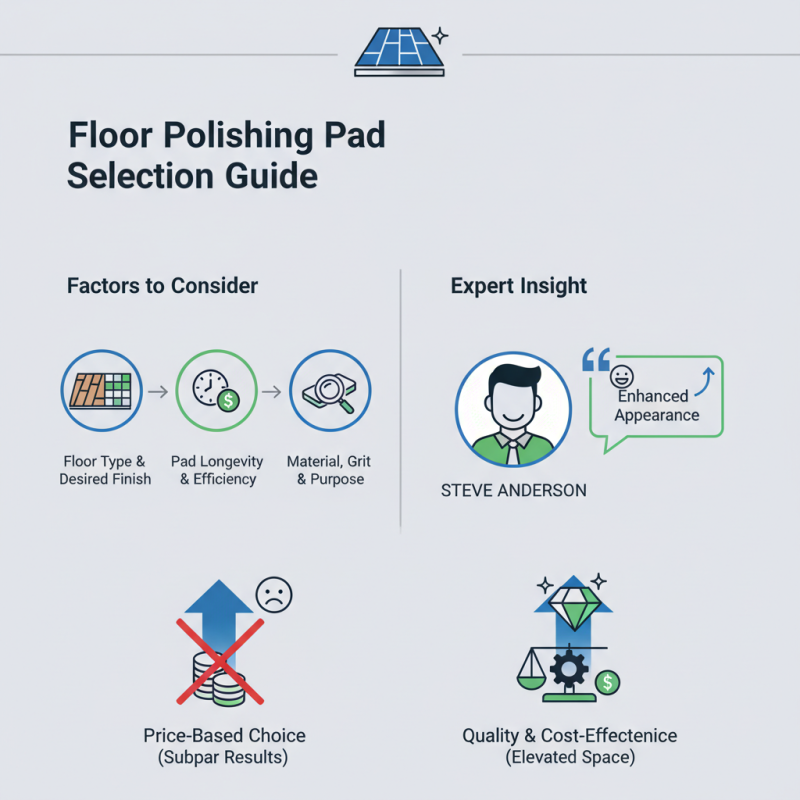
When it comes to maintaining floors, selecting the right Floor Polishing Pad is crucial. Expert Steve Anderson, a flooring maintenance specialist, emphasizes, "Using the correct pad can dramatically enhance your floor's appearance." His insight highlights the importance of making informed choices in this industry.
The market offers numerous options. Each Floor Polishing Pad varies in material, grit, and purpose. Understanding these differences can be overwhelming. Often, users choose based on price rather than functionality. This decision can lead to subpar results and increased maintenance costs.
Choosing the right pad requires careful consideration. Evaluate the floor type and the desired finish. Additionally, reflect on the pad’s longevity and efficiency. Making a choice that combines both quality and cost-effectiveness is essential. Ultimately, selecting the right Floor Polishing Pad can elevate your space, giving it the shine it deserves.
Understanding Different Types of Floor Polishing Pads and Their Uses
Choosing the right floor polishing pad can significantly impact cleaning results. Understanding the different types available is essential. Each pad is designed for specific surfaces and tasks. For example, soft pads are perfect for delicate floors, while harder pads can tackle tougher surfaces like concrete or natural stone.
Research shows that using the correct pad can improve efficiency by up to 20%. Pads made from natural fibers, such as cotton, are biodegradable and work well for polishing wood floors. Conversely, synthetic pads are durable and available in various grits. A recent industry report states that nearly 40% of flooring maintenance professionals prefer using a blend of both natural and synthetic pads for versatility and performance.
When selecting a pad, one must consider the floor type and the desired finish. Some may overlook wear and tear. Regularly inspecting pads can prevent scratches and extend their lifespan. Data indicates that using worn pads can double the time required to achieve a polished look. Balancing cost and effectiveness is crucial, and many users find it a challenge.
Top Tips for Choosing the Best Floor Polishing Pad
This chart illustrates the suitability scores for different types of floor polishing pads. The scores represent how effective each pad type is for various flooring materials, aiding in the decision-making process for selecting the best pad.
Key Material Considerations for Optimal Floor Polishing Pad Performance
When selecting floor polishing pads, material plays a crucial role in achieving optimal performance. Research from the International Floor Care Association indicates that different materials impact durability, efficiency, and the final appearance of the flooring. For instance, synthetic pads like nylon and polyester offer enhanced longevity on harder surfaces, while natural fiber pads are ideal for softer materials. Choosing the right material can significantly influence your long-term maintenance costs.
Another consideration is the grit level of the pads. Higher grit numbers indicate finer abrasiveness. According to industry data, using a finer pad can yield a better finish but may require more passes. It’s essential to match the pad grit to the floor's condition. If the floor has deeper scratches or stains, starting with a lower grit pad is advisable, transitioning to finer pads for finishing.
Tip: Always test a small area first. This practice minimizes risk and can guide you toward the best pad for your needs. Another tip is to consider the floor’s foot traffic. High-traffic areas may benefit from robust, high-abrasive pads to withstand wear. Not every pad is perfect for every situation; assessing each need can lead to a more efficient polishing process.
Evaluating Floor Pad Grit Levels for Desired Shine and Finish
When selecting a floor polishing pad, the grit level is critical for achieving the desired shine and finish. Floor polishing pads typically range from coarse to fine grit. Coarse pads, around 60 to 120 grit, are ideal for removing scratches and heavy dirt. They work well for restoring dull surfaces, but overuse can lead to unwanted damage. It’s essential to recognize when a coarse pad is too harsh for your specific floor type.
Conversely, fine pads, typically 800 grit and above, offer a polished, glossy finish. They are great for final touches but may not adequately prepare a floor that needs significant restoration. A study from the National Floor Safety Institute indicates that using the appropriate grit can improve surface traction by up to 50%. This highlights the importance of choosing a pad that aligns with your floor conditions.
Understanding the right grit level influences both appearance and safety. Floors that are overly polished can become slippery, leading to accidents. Professionals recommend testing a small area before broader application. This trial is a crucial step in ensuring that the chosen pad suits the specific needs of your flooring. Thus, considering grit levels is a balancing act between shine and safety.
Best Practices for Maintaining and Extending the Life of Floor Polishing Pads
Maintaining floor polishing pads is essential for achieving the best results in cleaning and polishing. Regular cleaning is crucial. After each use, rinse the pads thoroughly to remove debris. This simple step can prolong their life. Storing pads properly is equally important. Avoid placing them in direct sunlight. Instead, keep them in a cool, dry place. Such precautions can prevent deterioration and extend their usability.
Choosing the right cleaning solution can impact pad longevity. Some harsh chemicals may cause wear and tear. Always opt for a gentle cleaner that is compatible with your pads. Testing solutions on a small area first can save you from potential damage. It's easy to overlook the manufacturer's guidelines. Following these instructions may feel tedious, but it could mean the difference between a durable pad and a quickly worn-out one.
Inspecting your pads regularly is also beneficial. Look for signs of wear like fraying edges. Replace pads that show excessive damage to avoid poor performance. Frequent use may degrade pads faster than you expect. Consider rotating between multiple pads to distribute wear evenly. This reflection on your maintenance habits can improve your polishing results drastically.
 Skip to content