Skip to content

Top 10 Tips for Choosing Building Equipment That Lasts

Choosing the right Building Equipment is crucial for any construction project. Quality equipment can significantly influence the efficiency and safety of your work. Relying on inferior tools may lead to delays and safety issues, affecting your overall productivity.

When selecting building equipment, consider durability as a top priority. Look for materials that can withstand tough working conditions. Researching trusted brands can also provide insights into what will last. Experts often recommend equipment that has reliable warranties, as they suggest confidence in product longevity.

Additionally, remember that not all equipment claims to be the best, may meet your specific needs. Test different options when possible. Keep in mind your project's unique demands. Reflections on equipment choices at the onset can save you time and costs down the road. Building equipment should empower your tasks, not hinder them.
Top 10 Tips for Choosing Building Equipment That Lasts

Understanding Your Project Needs and Requirements

When embarking on a construction project, understanding your specific needs and requirements is crucial. Research shows that 80% of construction delays are due to inadequate planning. Identifying the scope and goals of your project is essential. Factors like the site conditions, project duration, and budget heavily influence equipment selection.

Choosing the right equipment means assessing its durability and suitability for your tasks. According to a recent industry report, equipment breakdowns can cost projects an average of 20% in unexpected delays. This data underscores the importance of selecting equipment designed for longevity. Consider aspects like maintenance schedules and warranty options. Reliable equipment not only saves time but can also ensure worker safety.

Reflection is necessary when considering your project needs. Rushing into decisions based on price can lead to regrettable choices. Look for equipment with proven success in similar projects. Evaluate your options carefully. Balanced choices make a significant difference in project outcomes. Investing time in understanding your requirements pays off in the long run.

Exploring the Types of Building Equipment Available

When selecting building equipment, understanding the types available is crucial. Construction sites require various tools and machinery to operate efficiently. According to the latest reports, up to 30% of project delays stem from inadequate equipment selection. This statistic highlights the importance of selecting durable options that can withstand rigorous use.

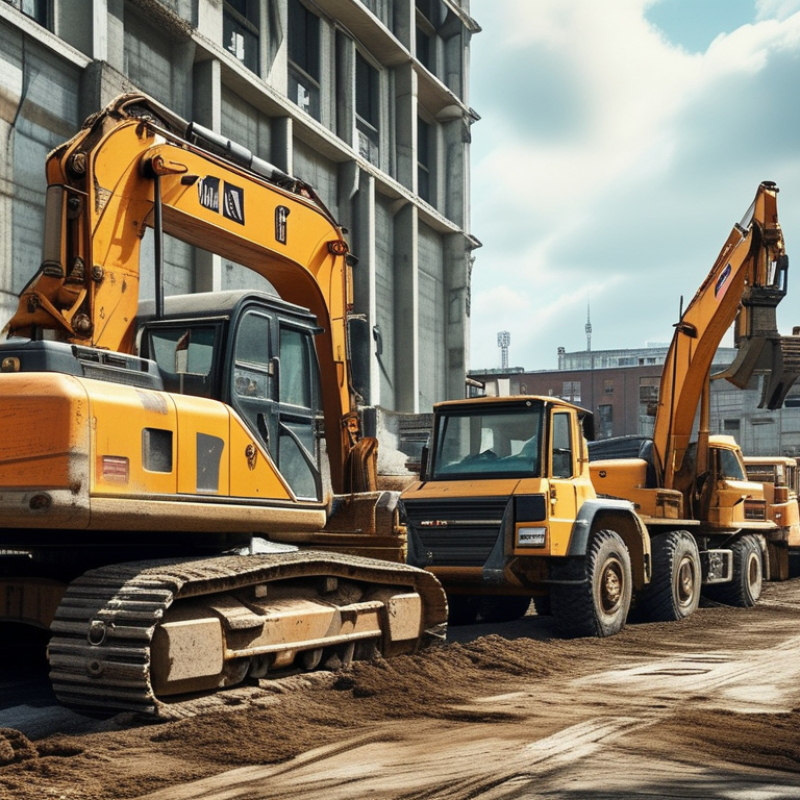
Heavy machinery like excavators, bulldozers, and cranes plays a pivotal role in construction. Each type serves distinct functions and has different longevity factors. For instance, well-maintained excavators can last over 10 years, while forklifts typically require replacement every 7 years. Regular maintenance influences these lifespans significantly.

Additionally, smaller tools, such as power drills and saws, should not be overlooked. They often need replacements more often due to wear and tear. A survey indicated that nearly 50% of contractors underestimate maintenance costs for smaller equipment. Understanding these nuances can improve not just longevity but also project efficiency and cost-effectiveness in the long run.

Evaluating Quality and Durability of Building Equipment

When evaluating the quality and durability of building equipment, it is crucial to consider materials used in construction. For instance, equipment made from high-grade steel often exhibits better resistance to wear and tear. A recent industry report indicates that equipment with a corrosion-resistant coating can last 30% longer than comparable products. This longevity is essential for reducing replacements and maintenance costs over time.


The sourcing of components also impacts durability. Equipment assembled with locally sourced parts typically benefits from shorter supply chains. This can enhance quality control. However, many professionals overlook the importance of traceability. Without it, it becomes difficult to ascertain the origin and quality of these components. A staggering 40% of mechanical failures stem from inferior materials used in key components.


User reviews can also provide insights into durability. Feedback from long-term users often highlights real-world performance issues. Yet, subjective opinions can be misleading. Data suggests that over 15% of users rate equipment highly based solely on brand reputation, rather than actual performance. Balancing expert recommendations with user experiences might yield the best results for longevity and reliability.

Comparing Costs and Budget Considerations

When choosing building equipment, budget considerations are crucial. Often, high initial costs can lead to doubts. However, investing in quality equipment typically pays off in the long run. Look for options that are durable and have a good warranty. This can signal a company’s confidence in their product's longevity.

Consider hidden costs too. Maintenance and repair expenses add up over time. Cheaper equipment may require more frequent replacements or repairs, increasing overall costs. A thorough cost-benefit analysis can provide clarity. It helps to evaluate the true expense over a project’s life cycle, not just upfront.

Think about scalability as well. Will the equipment adapt to future projects? A versatile piece often saves money down the line. It’s tempting to cut corners with low-cost options, but anticipate potential challenges. Assessing needs carefully avoids regrets later. Each decision shapes project success.

Considering Manufacturer Reputation and Support Services

When selecting building equipment, considering the reputation of the manufacturer is crucial. A study by the National Institute of Standards and Technology indicates that equipment failure leads to an estimated cost of $2 trillion annually in the construction industry. Therefore, choosing a reliable manufacturer can significantly reduce costs in the long run. Quality assurance from a reputable source often means better materials and design.

Support services also play a vital role. Many organizations report that 30% of projects face delays due to inadequate support. This can include everything from installation advice to maintenance services. Access to a knowledgeable support team ensures that potential issues can be addressed swiftly. Companies with robust support services often have higher customer satisfaction levels, leading to repeat business and sustained partnerships.

Evaluating manufacturer reviews provides insight into the overall performance of their products. It’s important to analyze not only positive feedback but also negative comments. This can reveal areas of improvement and weaknesses. Remember, no manufacturer is perfect. Transparency in addressing customer complaints indicates a commitment to long-term relationships. Consider these factors carefully as you make your choice.

Top 10 Tips for Choosing Building Equipment That Lasts