Skip to content

Top 10 Rigid Solar Panels for Global Buyers?
The global solar market is expanding quickly, but choosing a Rigid Solar Panel still requires careful comparison. According to the International Energy Agency’s Renewables 2024 report, solar photovoltaic capacity additions approached 400 gigawatts in 2023. Solar represented nearly three quarters of new renewable capacity worldwide. That scale creates more choices, but also more confusion.
This guide examines ten rigid panel options for global buyers. It considers power output, efficiency, temperature performance, mechanical strength, warranty terms, certifications, and supplier transparency. The International Renewable Energy Agency reported that global renewable capacity reached 3,870 gigawatts by the end of 2023. Solar accounted for the largest share of new capacity. These figures show strong momentum, not automatic quality.
Fatih Birol, Executive Director of the International Energy Agency, has said, “Solar PV is now the cheapest source of electricity in history.” His statement explains solar’s appeal, yet price alone cannot identify a dependable panel. A roof near salty air needs different protection from a panel mounted on a dry commercial site. A recreational vehicle may prioritize weight, while an off-grid home may value low-light performance.
Real-world results can differ from laboratory ratings. This matters. Product testing is useful, but installation quality, shading, cabling, and maintenance also shape long-term output. Some rankings may remain imperfect because regional availability and after-sales service change frequently. Buyers should verify current datasheets and local compliance before purchasing. The following selection offers a practical starting point, not an unquestionable verdict.
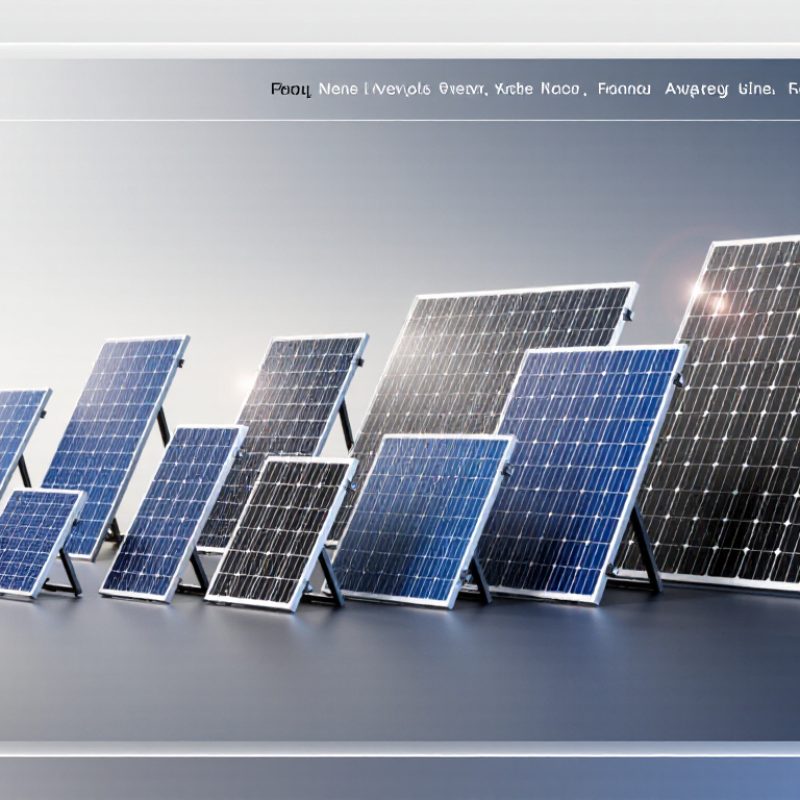
What Defines a High-Quality Rigid Solar Panel for Global Buyers
A high-quality rigid solar panel begins with dependable materials and honest specifications. For global buyers, tempered glass should resist hail, humidity, and repeated temperature changes. A rigid anodized aluminum frame helps maintain alignment during transport and installation. The backsheet or glass-glass structure must also protect internal cells from moisture and ultraviolet exposure.
Look closely at electrical performance, not only peak wattage. A low temperature coefficient can preserve output in hot climates. Reliable panels should include documented testing for thermal cycling, damp heat, mechanical load, and potential-induced degradation. Independent certification and traceable production records add practical confidence. The junction box should be well sealed, while cables and connectors need consistent fit and suitable environmental ratings. Small details matter.
Field experience often reveals more than a glossy product sheet. Ask for third-party test reports, batch data, warranty terms, and clear support procedures. Check how the supplier handles damaged pallets, replacement claims, and installation questions across borders. No panel is perfect. Even strong products may perform poorly when shading, dust, or poor mounting is ignored. Buyers should compare real operating conditions with laboratory ratings. A panel designed for a cool, dry site may need different protection in coastal heat or desert dust. That comparison is easy to overlook, but it can define long-term value.
Top 10 Rigid Solar Panels for Global Buyers? - What Defines a High-Quality Rigid Solar Panel for Global Buyers
A practical comparison of high-quality rigid photovoltaic panel profiles based on commonly available global-market specifications
| Rank | Panel Profile | Cell Technology | Rated Power | Module Efficiency | Typical Dimensions (L × W × H) | Approx. Weight | Temperature Coefficient (Pmax) | Maximum System Voltage | Ingress Protection | Typical Product Warranty | Best Use for Global Buyers |
|---|---|---|---|---|---|---|---|---|---|---|---|
| 1 | High-Efficiency N-Type Rigid Panel | N-type TOPCon, monocrystalline | 440–460 W | 22.0–23.0% | 1762 × 1134 × 30 mm | 20.5–22.0 kg | −0.29%/°C | 1500 V DC | IP68 junction box | 12–15 years product; up to 30 years performance | Space-limited rooftops and hot climates where high energy yield is important |
| 2 | Large-Format N-Type Utility Panel | N-type TOPCon, monocrystalline | 570–620 W | 21.5–23.0% | 2384 × 1303 × 33–35 mm | 27.0–31.0 kg | −0.29%/°C | 1500 V DC | IP68 junction box | 12–15 years product; up to 30 years performance | Utility-scale solar farms with mechanized installation and strong logistics capacity |
| 3 | Bifacial Glass-Glass Panel | N-type bifacial TOPCon, dual glass | 560–610 W | 21.5–22.8% | 2384 × 1303 × 30–35 mm | 31.0–35.0 kg | −0.29%/°C | 1500 V DC | IP68 junction box | 12–15 years product; up to 30 years performance | Ground-mounted projects with reflective surfaces and elevated mounting structures |
| 4 | Premium Black-Backsheet Rooftop Panel | Monocrystalline TOPCon or PERC | 400–450 W | 20.5–22.5% | 1722 × 1134 × 30 mm | 19.0–21.0 kg | −0.30 to −0.35%/°C | 1000–1500 V DC | IP68 junction box | 12–15 years product; 25–30 years performance | Residential and commercial roofs where appearance, handling, and output are balanced |
| 5 | Low-Light Performance Panel | Monocrystalline half-cut cells | 400–450 W | 20.0–22.0% | 1722 × 1134 × 30–35 mm | 19.5–22.0 kg | −0.30 to −0.35%/°C | 1000–1500 V DC | IP68 junction box | 12–15 years product; up to 30 years performance | Cloudy, temperate, coastal, or high-latitude regions with variable irradiance |
| 6 | Durable Glass-Glass Commercial Panel | Monocrystalline bifacial, dual glass | 430–500 W | 20.5–22.5% | 1900 × 1134 × 30–35 mm | 23.0–27.0 kg | −0.29 to −0.32%/°C | 1500 V DC | IP68 junction box | 12–15 years product; 30 years performance | Commercial rooftops and projects requiring strong moisture and mechanical durability |
| 7 | Cost-Optimized PERC Panel | P-type PERC, monocrystalline | 400–450 W | 19.5–21.5% | 1722 × 1134 × 30 mm | 18.5–21.0 kg | −0.34 to −0.37%/°C | 1000–1500 V DC | IP68 junction box | 10–12 years product; 25 years performance | Budget-sensitive projects with established installation and replacement infrastructure |
| 8 | High-Wind and Snow-Load Panel | Monocrystalline half-cut cells, reinforced frame | 410–470 W | 20.0–22.5% | 1900 × 1134 × 30–35 mm | 22.0–25.0 kg | −0.30 to −0.35%/°C | 1500 V DC | IP68 junction box | 12–15 years product; 25–30 years performance | Mountainous, storm-prone, snowy, or mechanically demanding installation sites |
| 9 | Compact High-Voltage Panel | N-type or monocrystalline half-cut cells | 370–430 W | 20.0–22.0% | 1722 × 1134 × 30 mm | 18.5–21.0 kg | −0.29 to −0.35%/°C | 1000–1500 V DC | IP68 junction box | 12–15 years product; 25–30 years performance | Small rooftops, distributed generation, and projects with restricted transport access |
| 10 | Extreme-Climate Rigid Panel | N-type monocrystalline, reinforced encapsulation | 420–480 W | 20.5–22.5% | 1900 × 1134 × 30–35 mm | 21.0–25.0 kg | −0.28 to −0.32%/°C | 1500 V DC | IP68 junction box | 12–15 years product; up to 30 years performance | Desert, tropical, humid, or high-temperature environments requiring stable long-term output |
Note: The specifications above represent realistic ranges commonly found in current global rigid-panel markets. Actual power, dimensions, load ratings, degradation guarantees, certifications, and warranty terms vary by product configuration and destination market. Buyers should verify the latest technical datasheet, IEC certifications, mechanical-load ratings, salt-mist or ammonia resistance, shipping requirements, and local compliance before purchase.
Our
Brands