China Top Embedded Industrial Computer Manufacturers?
China’s industrial computing market is changing quickly. Factories need compact systems that can run near machines, sensors, and control cabinets. The Embedded Industrial Computer is central to that shift. Buyers often compare fanless designs, DIN-rail mounting, processor options, serial ports, and support for wide operating temperatures. Small details matter. A loose connector or poor thermal design can disrupt a production line.
IDC’s Worldwide Edge Spending Guide forecast global edge-computing spending of $232 billion in 2024, up 15.4% from 2023. It projected spending would approach $350 billion by 2027. These figures describe the broader edge market, not industrial computers alone. Still, they help explain why dependable, locally processed computing is receiving greater attention. Intel co-founder Gordon Moore wrote in 1965, “The complexity for minimum component costs has increased at a rate of roughly a factor of two per year.” His observation concerned integrated circuits, but chip progress remains a foundation for today’s embedded systems.
This guide examines China’s leading manufacturers through practical criteria: product range, certifications, customization, lifecycle support, and documented performance. A polished specification sheet is not enough. Ask how a unit handles vibration, heat, and long operating hours. Check whether technical support can explain the answer. No ranking is perfectly clean; supplier claims and independent evidence do not always align. That deserves scrutiny. The aim here is a useful shortlist, not a promise that one brand fits every factory.
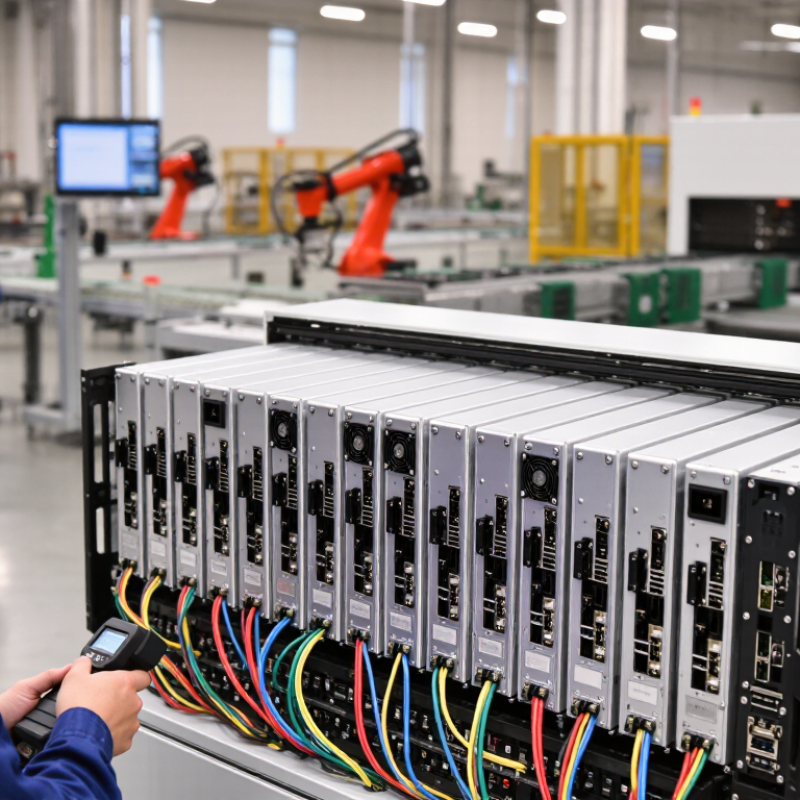
What Is an Embedded Industrial Computer?
An embedded industrial computer is a compact computing system built into a machine, cabinet, or control panel. Unlike a general office PC, it is selected for a defined job: reading sensor signals, controlling a motor, or recording production data. Its processor, memory, interfaces, and operating system are chosen around that task. It may have no screen at all.
The enclosure matters. In a factory, a computer may face vibration, dust, heat, and electrical noise. A fanless aluminum case, screw-lock connectors, and a wide-range power input can reduce common failure points. They do not make a system immune to poor installation. I have seen specifications look impressive on paper while leaving cable routing and ventilation as afterthoughts. Those details deserve attention.
Embedded systems increasingly support edge processing near machines. IDC’s Worldwide Edge Spending Guide forecast global edge-computing spending of $232 billion in 2024, a 15.4% increase over 2023. This figure covers edge solutions broadly, not industrial computers alone. Still, it shows why local computing is gaining attention: equipment can process data close to where it is generated, even when network access is limited. Keep it practical. Engineers should check temperature ratings, storage endurance, available ports, and long-term component availability against the actual site conditions. A rugged label is not a test result.
Key Features and Types of Embedded Industrial Computers
Embedded industrial computers are designed to run near machines, inside cabinets, or at exposed production stations. Their most important features are often practical: stable operation across temperature changes, resistance to vibration, and enough ports for sensors and control equipment. Dust changes everything. A fanless enclosure reduces moving parts, but it can also trap heat if airflow and mounting space are ignored. Check the processor’s thermal limits, available memory, storage type, and power input against the actual installation.
Several form factors serve different jobs. Fanless box computers fit compact control cabinets and commonly provide serial, Ethernet, USB, and digital I/O connections. Panel computers combine a display and computer in one housing, making them useful at operator stations where space is limited.
DIN-rail models attach directly to standard cabinet rails and can simplify wiring. Rugged edge computers may offer wider temperature ranges or extra expansion options for demanding sites.
Selection depends on the task, not just the specification sheet. A machine-vision station may need stronger processing and fast storage, while a simple data logger may prioritize low power use and serial interfaces. Confirm connector access after installation; a port can be technically present yet awkward to reach. Also review mounting clearance, vibration exposure, and the expected service life of the operating system. Ratings help, but real cabinet temperatures deserve measurement. That step is easy to postpone, and sometimes regretted.
Leading Embedded Industrial Computer Manufacturers in China
China’s leading embedded industrial computer manufacturers serve applications where ordinary PCs may struggle with vibration, dust, heat, or continuous operation. Their products can include fanless computers, compact edge controllers, and configurable systems built around different processor and I/O requirements. A useful supplier assessment starts with the operating environment: note the temperature range, mounting space, power input, and interfaces required at the site.
Engineering support matters as much as the hardware. Ask manufacturers for clear product specifications, lifecycle information, and test documentation relevant to the intended installation. Check details such as serial and Ethernet ports, expansion options, enclosure material, and how heat moves through a fanless chassis. Small differences can affect field maintenance. Ask how configuration changes are handled, too; a vague answer is worth probing. No shortlist is perfect. Sample units and written validation plans can reveal gaps before deployment, while service response times and spare-part availability help estimate long-term operating risk. Compare suppliers against the same requirements rather than relying on broad claims about reliability or performance. A careful review may take longer, but it makes the final choice more defensible.
How to Compare China’s Embedded Computer Manufacturers
China Top Embedded Industrial Computer Manufacturers?
Comparing China’s embedded computer manufacturers takes more than checking processor speed or unit price. Match each supplier’s experience to your operating environment: factory-floor vibration, dust, heat, or limited cabinet space. Ask for the operating-temperature range, input-voltage tolerance, mounting options, and exact I/O configuration. A compact fanless unit may suit a dusty line, but only if its thermal limits fit the enclosure.
Request a sample and test it with your own peripherals. Check boot behavior, network stability, serial-port performance, and recovery after a power interruption. Paper specifications can mislead. Confirm whether quoted measurements apply to the complete configured system, not just a bare board. Also review component lifecycle information, warranty terms, repair procedures, and access to technical support. Clear answers matter.
Compare production consistency as well as engineering capability. Ask how the manufacturer controls revisions, documents custom changes, and checks units before shipment. Verify lead times and minimum order quantities against your rollout plan. A polished demo is useful, but it cannot replace a real-world trial. Even a careful comparison can overlook a small detail, such as connector clearance; record those findings before approving a design.
Applications and Market Trends in China’s Embedded Computing Industry
Embedded computers are the quiet control layer behind many automated production lines in China. At a packaging cell, a fanless controller may coordinate sensors, motion, and a local display beside the machine. On a metal-cutting line, rugged edge systems can filter vibration and temperature readings before sending exceptions upstream. Latency matters. The International Federation of Robotics’ World Robotics 2024 report says China installed 276,288 industrial robots in 2023, equal to 51% of global installations.
That scale supports demand for compact computers used in machine vision, robotic control, inspection, and factory networking. China’s National Bureau of Statistics reported that equipment-manufacturing value added rose 7.7% in 2024. This strengthens the automation context, though it does not directly measure embedded-computer sales. Manufacturers are also seeking edge inference, wider temperature tolerance, and longer product lifecycles. Still, gaps remain. Older equipment may lack clean interfaces, while local AI models can be difficult to maintain across sites. Buyers should test I/O compatibility, thermal performance, and repair support under real shift conditions—not just rely on datasheets.
 Skip to content