Skip to content

Top Frequency Converter Types for Your Global Sourcing Needs?

In today's global market, choosing the right Frequency Converter is crucial. Experts in the industry often highlight the importance of understanding the various types available. David Johnson, a leading engineer in the frequency converter sector, stated, "Precision in selection can enhance energy efficiency and equipment lifespan."

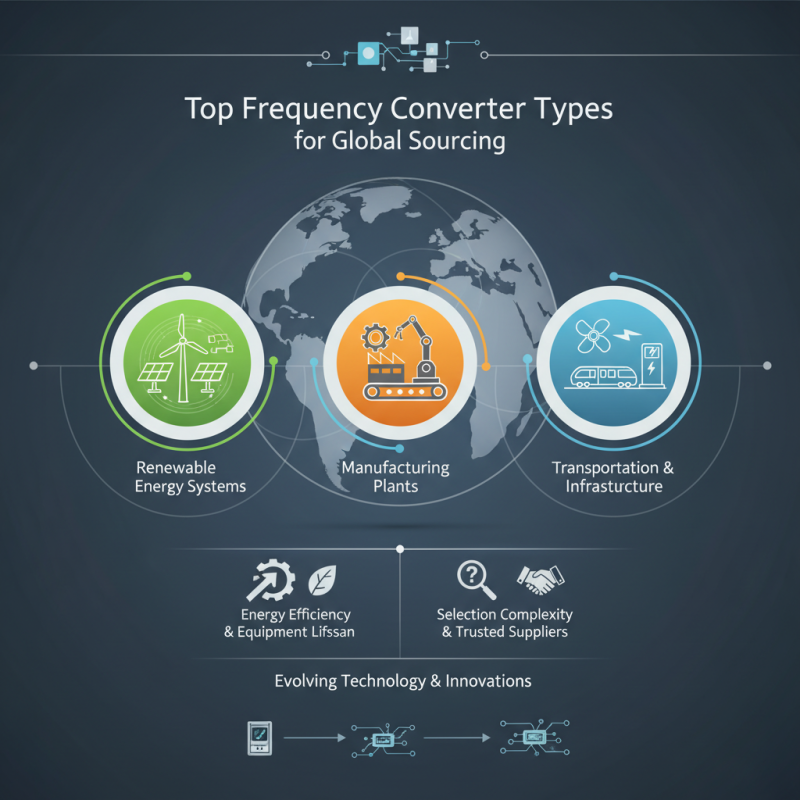
Frequency converters enable the conversion of electrical frequencies. This technology is essential for industries that require specific voltage adaptations. From renewable energy systems to manufacturing plants, the application is vast and varied. However, selecting the ideal converter can be complex. Each type serves different purposes and may impact overall performance.

The landscape of frequency converters is rapidly evolving. Companies must stay updated on trends and innovations. As Johnson noted, there’s a fine balance between cost-effectiveness and quality. Missteps in choosing the right converter can lead to inefficiencies. Engaging with trusted suppliers is key to navigating this intricate field. Understanding your specific needs will ultimately guide you in sourcing the perfect frequency converter.
Top Frequency Converter Types for Your Global Sourcing Needs?

Types of Frequency Converters Used in Industrial Applications

Frequency converters are essential in various industrial applications. They play a crucial role in adjusting the speed and torque of electric motors. This adjustment allows enhanced control over machinery, leading to increased efficiency and reduced energy consumption.

Common types of frequency converters include analog, digital, and reactive converters. Analog converters are known for their simplicity but might lack the precision of digital ones. Digital converters offer advanced features for better modulation, making them popular in modern systems. Reactive converters are often used in high-power applications, effectively managing voltage and current levels.

Tips: Keep your equipment updated. Regular maintenance ensures optimal performance. Always consider compatibility with existing technologies.

As industries shift toward automation, the demand for efficient frequency converters is rising. According to a recent market report, the global frequency converter market is projected to grow by 5% annually until 2026. This growth reflects the increasing reliance on renewable energy sources. Adapting to these changes can significantly impact operational costs and efficiency.

Some applications may require customization. Not all converters fit every need. Analyze specific requirements carefully before making choices.

Key Factors to Consider When Sourcing Frequency Converters

When sourcing frequency converters, understanding the key factors is essential. Voltage compatibility stands out. Ensure the converter matches the voltage level of your application. Mismatched voltage can lead to inefficiencies. These issues may cause overheating or equipment damage. Evaluate the specifications carefully. A wrong choice can disrupt operations.

Next, consider the converter's efficiency rating. Higher efficiency reduces energy costs over time. Look for models that minimize energy waste. This aspect is crucial for sustainability efforts. Additionally, pay attention to the operational environment. Some converters are better suited for harsh conditions. Dust, moisture, or extreme temperatures may impact performance. The right choice can prevent frequent replacements.

Finally, take into account the manufacturer's reputation and support services. A reputable source provides reliable products. Their support can help resolve issues more quickly. Consider warranty options as well. They reflect the manufacturer's confidence in their product. Thorough research is necessary to make an informed decision. A few moments spent on this can save significant time and money later.

Comparison of Different Frequency Converter Technologies

When it comes to frequency converter technologies, understanding their differences is vital for global sourcing. There are primarily three types: analog, digital, and vector controlled. Each has its unique advantages and limitations.

Analog frequency converters are often simpler and cost-effective. They are commonly used in traditional industrial applications. However, they lack the precision and control of modern technologies.

Digital converters provide better efficiency and support advanced control algorithms. However, they can be more complex to implement. Reports suggest that digital converters can improve energy efficiency by up to 25%. This is a significant benefit in high-demand environments.

Vector controlled converters, on the other hand, deliver superior performance. They allow for precise control of motor speed and torque. Yet, they come at a higher price point. According to a recent industry study, nearly 40% of manufacturers are transitioning to vector control due to its long-term benefits. However, this shift requires careful consideration of the specific application and operational needs. Factors like installation costs and maintenance cannot be overlooked. Each technology presents trade-offs that require careful evaluation to ensure the best fit for organizational goals.

Global Suppliers and Their Frequency Converter Offerings

When sourcing frequency converters globally, it's crucial to know the variety available. Many suppliers offer different types to meet diverse industrial needs. These frequency converters vary in design, size, and technological capabilities. Some focus on low-voltage applications, while others cater to high-voltage requirements. This spectrum shows the flexibility needed to adapt to numerous situations.

Every supplier has a unique offering. Some emphasize reliability, while others tout advanced features. Understanding these distinctions can be challenging. However, detailed specifications and user reviews can provide clarity. It's essential to assess the manufacturer's experience and expertise in the industry. This will help ensure the frequency converters meet safety and performance standards.

Global sourcing often presents obstacles. Language barriers or cultural differences can affect communication. Additionally, lead times and shipping costs may be unpredictable. Suppliers in different regions may have varying reputations. It’s wise to conduct thorough research before making decisions. This diligence can prevent costly mistakes and ensure successful sourcing experiences.

Applications and Benefits of Frequency Converters in Various Industries

Frequency converters play a crucial role in modern industries. They control the speed and torque of motors, optimizing performance. Many applications benefit significantly from frequency converters. For instance, HVAC systems utilize them to regulate airflow and enhance energy efficiency. This not only reduces operational costs but also supports sustainable practices.

In the manufacturing sector, frequency converters ensure smooth operation of machinery. They provide precise control in conveyor systems and pump drives. This leads to improved productivity and reduced downtime. However, selecting the right type for specific needs can be challenging. Each application has unique requirements. It’s important to consider factors like load characteristics and power supply quality.

Moreover, the integration of frequency converters into renewable energy systems is noteworthy. They help manage variable outputs from sources like wind and solar. This adaptability is crucial for stabilizing power supply. Still, some industries may struggle with integrating these systems effectively. The learning curve can be steep, highlighting the need for expertise in implementation.

Top Frequency Converter Types for Your Global Sourcing Needs

Converter Type Application Benefits
Static Frequency Converter Industrial Machinery High efficiency, low maintenance
Rotary Frequency Converter Data Centers Robust and reliable operation
Variable Frequency Drive (VFD) HVAC Systems Energy savings, precise control
Inverter-Based Frequency Converter Renewable Energy Systems Grid stability and integration
Phase Converter Small Business Operations Cost-effective three-phase power