Top 10 S83 Pneumatic Air Leg Rock Drill Suppliers?
Choosing among the Top 10 S83 Pneumatic Air Leg Rock Drill Suppliers requires more than comparing catalog prices. The right supplier should demonstrate technical experience, consistent manufacturing, responsive service, and verified field performance. An S83 Pneumatic Air Leg Rock Drill works in demanding conditions, where wet headings, abrasive rock, hose pressure, and operator fatigue affect results. Small differences matter. Chuck wear, air consumption, leg stability, and spare-part availability can change a shift’s productivity.
Mining equipment specialist Michael R. Smith notes, “A drill earns its reputation at the working face, not in the brochure.” This practical view should guide every supplier review. Buyers should examine factory records, quality-control procedures, material specifications, warranty terms, and customer references. They should also ask whether the supplier provides operating guidance and replacement components. A polished website proves little.
Field experience helps. Listen to operators.
This ranking will compare ten suppliers using practical criteria, including product consistency, drilling performance, delivery reliability, service capability, and value over the equipment’s working life. It will also distinguish manufacturers from traders, since technical support can vary sharply after purchase. Some suppliers may publish incomplete specifications. That is a weakness worth recognizing, not hiding. No ranking is perfectly objective. Rock conditions, compressor capacity, maintenance habits, and regional support can change the outcome. Readers should therefore treat this guide as a starting point, then verify test data and local references before selecting an S83 Pneumatic Air Leg Rock Drill supplier.
What Defines an S83 Air-Leg Rock Drill? 0.5–0.63 MPa and 34–42 mm Holes
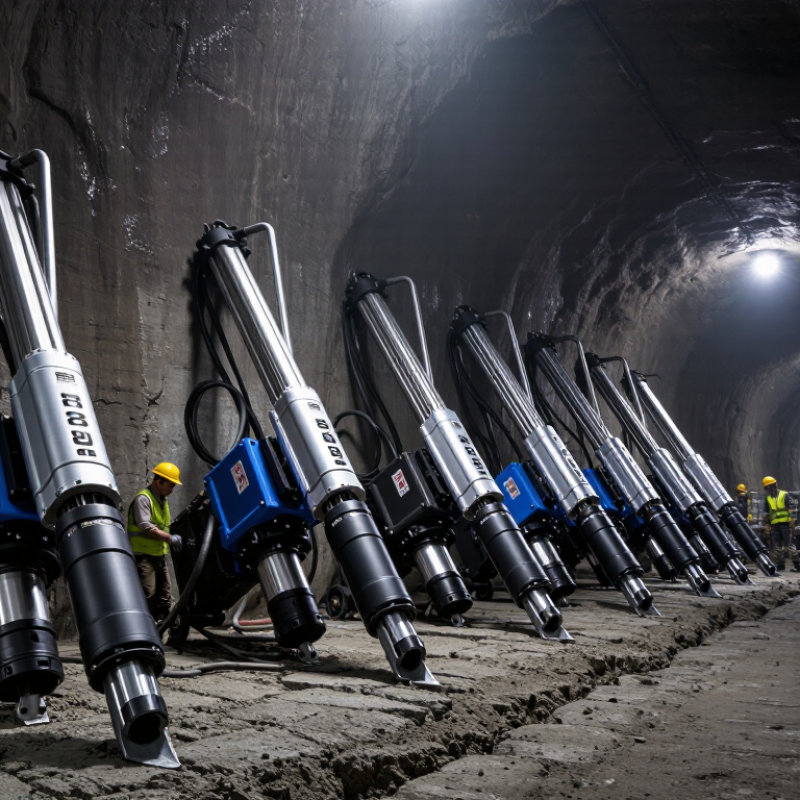
An S83 pneumatic air-leg rock drill is defined by more than its model name. It uses compressed air to drive the piston and support an adjustable air leg. Typical operating pressure falls between 0.5 and 0.63 MPa. That range matters.
The drill is generally matched with 34–42 mm hole diameters, depending on rock hardness, bit design, and drilling depth. A 34 mm hole may suit controlled, lighter work, while a 42 mm hole can improve clearance in fractured ground. Actual results vary. Measure pressure at the drill inlet, not only at the compressor. Long hoses, narrow couplings, and dirty filters can reduce delivered power. Clean, dry air also protects internal components and stabilizes percussion.
When comparing S83 suppliers, I check pressure requirements, compatible bits, air consumption, spare-part availability, and service instructions. A supplier should provide test data, maintenance intervals, and clear tolerances. Field experience is useful here. I have seen drills perform poorly because operators blamed the machine before checking hose restrictions. That judgment can be wrong. The rock, water, feed alignment, and operator technique all influence drilling speed. Ask whether the supplier has verified the 34–42 mm range under comparable site conditions. A polished specification sheet is not enough. Look for traceable inspection records, practical training, and responsive technical support. Small details matter.
Core Specs to Compare: 5 m Depth, 63 L/s Air Use, Impact Rate, and Weight
Choosing among S83 pneumatic air leg rock drill suppliers requires more than comparing prices. Field experience shows that drilling depth, air demand, impact rate, and weight often decide daily productivity. A claimed 5 m drilling depth should be tested against rock hardness, rod length, and working pressure. Soft stone may allow deeper holes, while fractured rock can reduce effective reach.
Air consumption is equally important. The stated 63 L/s demand needs a compressor with stable output and practical reserve. Pressure drops can slow the impact mechanism and create uneven drilling. Ask suppliers for measured air use, not only catalogue figures. Impact rate should be compared at the same pressure, feed force, and lubrication condition. Otherwise, impressive numbers may have limited value.
Weight affects transport, setup, and operator fatigue. A lighter drill can improve positioning, but excessive weight reduction may compromise durability. Check the balance of the air leg, control response, hose fittings, and replacement parts. Service records, inspection procedures, and clear technical drawings help establish supplier reliability. I would also request a short field trial before ordering large quantities. Specifications rarely tell the whole story. Performance can vary.
Top 10 S83 Pneumatic Air Leg Rock Drill Suppliers
This anonymized benchmark compares representative S83-class air-leg rock drill specifications. The reference configuration is approximately 5 m drilling depth, 63 L/s air consumption, 1,350 impacts per minute, and 24 kg tool weight. Higher impact rate is generally favorable, while lower air consumption and weight can improve operating efficiency and portability.
How to Rank 10 Suppliers: Certifications, Output, Warranty, and Lead Time
Ranking ten S83 pneumatic air leg rock drill suppliers requires more than comparing quoted prices. Start with current certifications for quality management, product safety, and pressure equipment compliance. Verify certificate numbers through issuing bodies, not copied website images. Ask for inspection reports, material records, and test results for each drill model. Experienced buyers should request a live factory audit or a recorded production walk-through. It reveals whether machining, assembly, and final testing occur under controlled procedures.
Output capacity should be measured against real delivery records, not impressive monthly claims. Request the last six months of production data and sample shipment documents. Check whether suppliers can maintain consistent torque, impact frequency, and air consumption across batches.
Warranty terms deserve equal attention. Compare coverage length, excluded parts, response time, replacement procedures, and technical support. A useful supplier explains repair steps clearly and stocks common wearing components.
Lead time must include production, inspection, packing, and transportation preparation. Ask for separate timelines for trial orders and repeat orders. Rank suppliers using weighted scores, such as certifications at 25%, output consistency at 25%, warranty at 20%, and lead time at 30%. Keep evidence beside every score. A spreadsheet helps. It can still mislead. One supplier may promise seven days, yet lack testing capacity during peak demand. Speaking with recent customers often exposes this gap. Leave room for judgment, because the cheapest offer may create costly downtime later.
Top 10 S83 Suppliers: Price, Factory Data, Spare Parts, and Service Reach
Top 10 S83 Pneumatic Air Leg Rock Drill Suppliers
A useful top-ten list should compare more than catalogue prices. Mine operators should request factory data for air consumption, impact frequency, drilling range, net weight, and operating pressure. These figures reveal whether an S83 drill suits a narrow tunnel or a hard-rock bench. The U.S. Department of Energy reports that compressed-air systems can waste substantial energy through leaks and poor maintenance. Therefore, air efficiency deserves a clear place beside purchase price.
Supplier pricing varies with order volume, steel quality, valve design, and included accessories. Ask for a written quotation covering the drill, air leg, hose fittings, lubrication unit, and common spare parts. A 2024 World Mining Data report confirms continued global mineral-production activity, but demand alone does not prove supplier reliability. Check factory location, production capacity, inspection records, and recent export experience. Factory claims need evidence.
Service reach is often the deciding factor. Look for regional technicians, remote troubleshooting, parts-stock locations, and realistic delivery times for pistons, seals, springs, and drill bits. A supplier promising “global support” without local inventory may create expensive downtime. I would also request two customer references from comparable rock conditions. This step is sometimes skipped. That is a mistake. Independent testing data remains limited for some S83 listings, so buyers should record actual air use, drilling speed, and repair frequency during field trials. The cheapest quotation may not produce the lowest cost per metre.
Buyer Verification: Test Reports, 12-Month Warranty, and Mine-Safety Compliance
Choosing among S83 pneumatic air leg rock drill suppliers requires more than comparing prices. A credible buyer review starts with evidence you can trace. Request a recent test report for the exact drill configuration. It should show operating pressure, impact performance, air consumption, noise, vibration, and feed-leg stability. Match the serial number, test date, and laboratory identity to the quotation. Weak evidence. Ask for raw readings when possible.
A 12-month warranty should be written clearly in the purchase contract. Check whether it covers the drill body, air leg, valves, and manufacturing defects. Confirm labor, replacement parts, shipping duties, and response times. Clarify exclusions involving incorrect lubrication, contaminated air, or improper operation. Promises made by telephone are difficult to audit. Get the details in writing. Keep photos of the serial plate and delivery condition.
Mine-safety compliance depends on the operating country, mine type, and site rules. Ask suppliers for current certificates, inspection records, material declarations, and maintenance instructions. Verify that documents apply to the supplied model, not a similar-looking product. A polished PDF can still hide outdated information. An experienced supplier should explain safe air pressure, hose connections, grounding requirements, and training records without vague language. Field trials matter too. Record startup behavior, air leaks, leg movement, and operator feedback during a controlled site test. A small missed detail can become an expensive lesson.
 Skip to content