How to Use a Solar Container for Sustainable Energy Solutions?
In recent years, the world has sought sustainable energy solutions. Many innovations have emerged, with one notable option being the solar container. This portable energy source harnesses sunlight effectively. A solar container can power homes, businesses, and even outdoor events.
The beauty of a solar container lies in its versatility. It can be easily transported and set up anywhere. Imagine using it for a weekend camping trip or as a backup power source during outages. However, it’s essential to consider its limitations. Solar containers depend on sunlight, which may not always be reliable.
Beyond convenience, they challenge conventional power sources. They push us to rethink energy consumption. As we explore solar containers, it is crucial to address their environmental impact thoroughly. Are we fully maximizing their potential? By reflecting on these questions, we can better harness their capabilities for a sustainable future.
Understanding Solar Containers: An Overview of Their Functionality
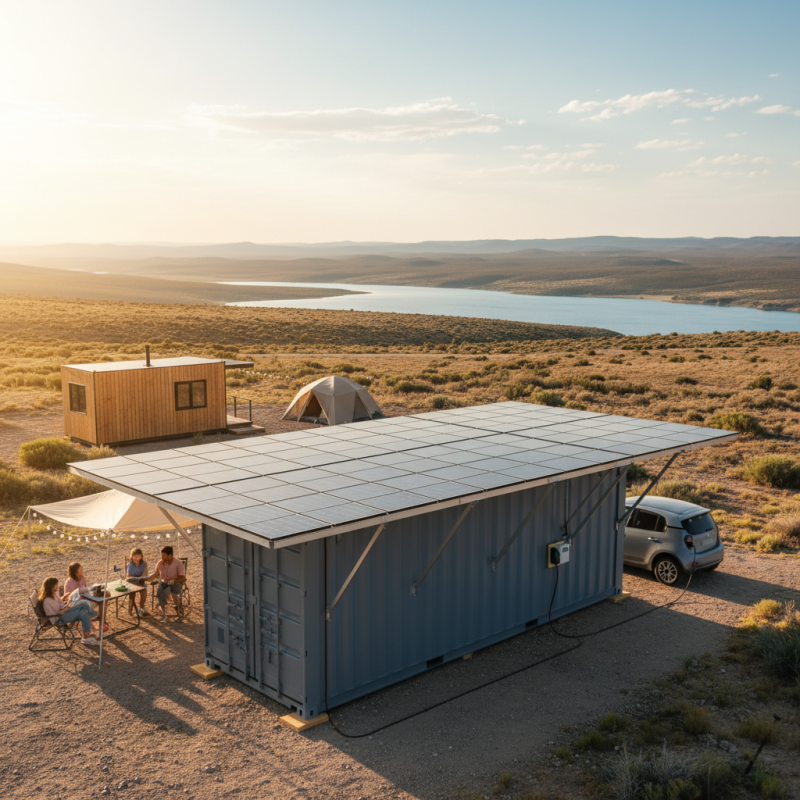
Solar containers are innovative solutions for sustainable energy production. They consist of portable units packed with solar panels, batteries, and their systems. They capture sunlight and convert it into usable electricity. This functionality makes them ideal for various applications, from powering homes to supporting remote operations.
When considering a solar container, think about your energy needs. Assess how much power you require daily. Understanding this will help you choose the right size and capacity. Additionally, pay attention to the location. A spot with ample sunlight will maximize efficiency.
Tip: Regular maintenance is crucial. Clean the solar panels regularly to ensure optimal performance. Dust, dirt, or debris can reduce energy capture. Another thing to consider is battery storage. Ensure that the batteries are regularly charged and monitored. They can degrade over time, affecting energy output.
While solar containers provide great benefits, challenges do exist. The initial costs can be high, which might require careful budgeting. Moreover, weather dependency can lead to fluctuations in energy production. It's essential to create a backup plan for days with little sunlight.
Choosing the Right Location for Your Solar Container Installation
When installing a solar container, location is crucial. You need an area with ample sunlight to maximize energy production. Look for clear skies and minimal shading from trees or buildings. A space with good airflow also helps. It ensures the system remains cool, which can improve efficiency.
Consider the terrain and accessibility. If the ground is uneven or difficult to reach, installation can become a challenge. Inspect the site for any potential hazards, like flooding or debris. These can impact not just the installation but also long-term sustainability.
Think about local regulations and community guidelines. Some areas have restrictions on solar installations. You may need permits or approvals, which can delay your project. Engaging with neighbors about your plans can also be valuable. Their support will make the process smoother. Balancing all these factors can feel overwhelming, but careful planning pays off in the long run.
Energy Production from Solar Containers in Different Locations
This chart shows the estimated energy production in kilowatt-hours (kWh) per month for solar containers installed in various locations. As observed, desert areas provide the highest energy output due to ample sunlight throughout the year, followed by coastal and rural areas.
Key Components and Technology Behind Solar Containers
Solar containers represent a groundbreaking approach to harnessing renewable energy. These mobile units often combine solar panels, energy storage, and inverters in one compact package. The technology behind these containers allows for flexible energy solutions in various locations. Their portability suits both urban and rural settings.
A key component is the solar panel, which captures sunlight. This energy is then converted into electricity. Batteries store excess energy for later use, ensuring a continuous supply. Moreover, smart technology can monitor energy consumption. This feature is crucial to avoid exceeding storage limits.
Tip: When deploying a solar container, ensure the solar panels face the sun. Adjust their angle throughout the day for maximum efficiency.
Yet, challenges exist. The initial costs can be daunting. Maintenance may require specialized knowledge. Users must be prepared to learn and adapt. Investing time in understanding the system will pay off in the long run.
Tip: Regularly check connections and performance. Early detection of issues saves time and money.
Step-by-Step Guide to Setting Up a Solar Container
Setting up a solar container can seem daunting, but it offers a practical solution for sustainable energy. A solar container typically includes solar panels, batteries, and an inverter. The first step is to identify a suitable location that receives adequate sunlight. Data from the National Renewable Energy Laboratory shows that most urban areas receive between 4-6 hours of usable sunlight daily.
Next, assemble the components. Securely mount the solar panels on the container’s roof. Ensure they are angled correctly for maximum sunlight exposure. Connect the panels to the inverter. This device converts the DC electricity from the panels into AC electricity for use. Many homeowners overlook battery storage. Storing energy for cloudy days is crucial.
Finally, connect your system to your appliances or grid. Regular maintenance is essential. Dust and debris can reduce efficiency. A study by the International Energy Agency found that regular cleaning can improve output by up to 25%. Consider monitoring software to track energy production. Some setups may require recalibrating to optimize efficiency. It’s okay if everything doesn’t work perfectly the first time. Experiment and adjust your setup for better results.
Maintenance and Optimization Tips for Solar Container Performance
Using a solar container can provide a sustainable energy solution, but maintenance is key to optimizing performance. Regular cleaning of solar panels is essential. Dust and debris can significantly reduce their efficiency. Studies show that solar panels can lose up to 25% of their output if not cleaned regularly. Aim to inspect and clean them every few months, especially in dusty environments.
Another vital aspect is monitoring the battery performance. Over time, batteries degrade and may hold less energy. Ensure to check their charge cycles and replace them when efficiency drops below 80%. Data indicates that well-maintained batteries can last over 5 years, but neglect could shorten this to 3 years or less.
Tips: Use a simple solution of water and mild soap for cleaning solar panels. Avoid abrasive materials. Schedule battery checks every six months to ensure optimal charge retention. Be proactive in assessing potential shading issues from nearby trees or buildings, as they can impact solar output. Reflect on your energy needs regularly; expanding storage can increase resilience.
 Skip to content