Choosing the right Pallet Jack Rental can influence warehouse speed, worker comfort, and total handling costs. Global buyers often compare more than daily rental prices. They must assess load capacity, fork dimensions, steering control, terrain, service coverage, and local equipment standards. A 5,500-pound manual pallet jack may suit a smooth distribution floor, while an electric model can reduce fatigue during long shifts. Small details matter.
This guide examines ten common pallet jack rental types used across warehouses, factories, retail facilities, and temporary logistics projects. Each option serves a different operating condition. Manual pallet jacks remain practical for short-distance movement and limited budgets. Electric walkie models help operators move heavier loads with less physical effort. Rough-terrain designs can support outdoor work, although ground conditions and weather require closer inspection. Low-profile, stainless steel, scale-equipped, and high-lift models also solve specific handling problems.
Real-world rental decisions are rarely perfect. Availability may vary by country, city, or supplier fleet. A promising machine might arrive with worn wheels or unfamiliar controls. Buyers should inspect the unit, test the emergency functions, confirm maintenance records, and verify operator training requirements before use. Ask clear questions.
Reliable suppliers explain rated capacity, charging needs, replacement support, insurance expectations, and delivery arrangements. They should also recommend equipment based on actual pallet weight and aisle width, not sales pressure. This overview offers a practical starting point for international buyers. It cannot replace a site assessment, but it can prevent expensive mismatches and improve purchasing conversations.
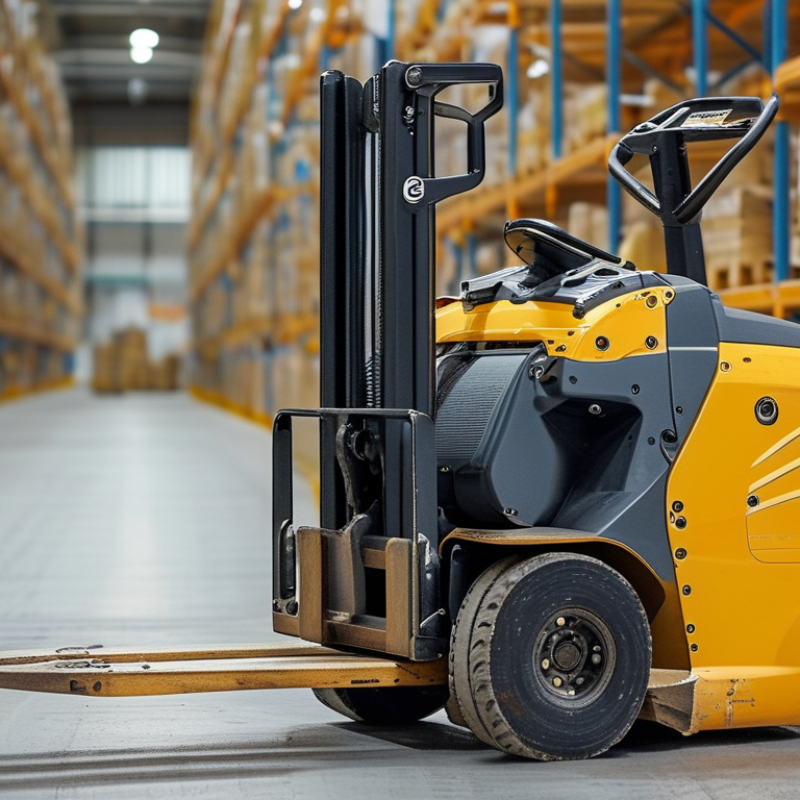
Manual pallet jack rentals suit warehouses moving palletized goods across short, level routes. They need no charging station, fuel, or complex controls. That simplicity helps during seasonal peaks, temporary projects, and facility changes.
Capacity matters. Common rental models handle about 2,000 to 5,500 pounds, but buyers must verify the rated load. Fork length, width, turning radius, and pallet entry height also affect daily performance. A narrow jack may fit crowded aisles better. A longer fork may support larger pallets, but it can reduce maneuverability.
Manual equipment does not remove lifting risk. It can shift the risk toward pulling, pushing, awkward posture, or poor floor conditions. Train operators to keep loads stable and avoid sudden turns. Inspect wheels, forks, handles, and hydraulic leaks before each shift.
MHI’s 2024 Annual Industry Report found that 55% of supply chain professionals planned to increase technology investment. Still, not every warehouse needs automation. A manual rental can be the more practical choice for simple transport. That judgment can be wrong when routes are long, floors are damaged, or loads move continuously. Measure actual travel distance and task frequency before renting. Availability, inspection records, local service support, and clear rental terms deserve equal attention.
Top 10 Pallet Jack Rental Types for Global Buyers
Electric Pallet Jack Rentals for Frequent Material Handling
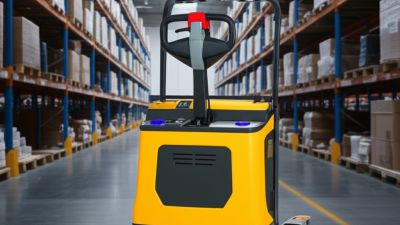
Electric pallet jack rentals suit warehouses moving pallets throughout the day. They reduce manual pushing across concrete floors and narrow aisles. Operators can control travel speed, braking, and lifting with simple handle controls. During site checks, I look closely at turning space and floor conditions. A compact model may work well in a retail back room. A stronger unit may be necessary for distribution centers with heavier loads. The wrong choice becomes expensive quickly.
Frequent handling also makes battery performance important. Ask about charging time, spare batteries, and expected operating hours. Lead-acid batteries may require more maintenance and ventilation space. Lithium-based options often recharge faster, but rental terms and service support vary. Check the rated capacity, lift height, fork dimensions, and ramp performance before signing. Test the jack with a real pallet if possible. Empty-floor demonstrations can be misleading. That detail is easy to miss.
Reliable rental providers should explain inspection records, emergency support, and operator training. Look for clear documentation covering brakes, wheels, controls, and battery condition. In my experience, short training reduces careless starts and damaged goods. Still, rental planning is rarely perfect. Usage can rise suddenly during seasonal demand. A second unit, flexible rental extension, or replacement plan can prevent costly delays. Buyers should also confirm delivery conditions, local electrical requirements, and return procedures before the equipment arrives.
| Rental Type | Power Configuration | Typical Rated Capacity | Typical Lift Height | Typical Travel Speed | Best-Fit Application | Recommended Handling Frequency | Key Rental Considerations |
|---|---|---|---|---|---|---|---|
| Walkie Manual Pallet Jack | Manual push and pull | 2,000–5,500 lb (900–2,500 kg) |
3–8 in (75–200 mm) |
Operator dependent | Short-distance movement on level floors | Occasional to light daily use | Lowest operating complexity; requires more physical effort than powered models. |
| Electric Walkie Pallet Jack | Battery-powered drive and lift | 3,000–5,500 lb (1,360–2,500 kg) |
3–8 in (75–200 mm) |
2.5–4.0 mph (4–6.5 km/h) |
Frequent pallet movement in warehouses and retail backrooms | Daily to high-frequency use | A practical replacement for manual jacks; confirm battery runtime and charging access. |
| Electric Rider Pallet Jack | Battery-powered drive and lift; standing rider platform | 4,500–8,000 lb (2,000–3,630 kg) |
3–8 in (75–200 mm) |
6–9 mph (9.5–14.5 km/h) |
Long horizontal transport across distribution facilities | Continuous or multi-shift use | Higher productivity and travel comfort; needs wider aisles and suitable operator training. |
| Low-Profile Electric Pallet Jack | Battery-powered drive and lift | 3,000–4,500 lb (1,360–2,040 kg) |
2–6 in (50–150 mm) |
2.5–4.0 mph (4–6.5 km/h) |
Low-clearance pallets, skids, and specialized load platforms | Regular use in specialized workflows | Check fork entry height and pallet clearance before reserving. |
| Long-Fork Electric Pallet Jack | Battery-powered drive and lift | 3,000–5,500 lb (1,360–2,500 kg) |
3–8 in (75–200 mm) |
2.5–4.0 mph (4–6.5 km/h) |
Two standard pallets or oversized loads handled lengthwise | Daily use where long loads are common | Verify fork length, load-center rating, turning radius, and aisle width. |
| Narrow-Aisle Electric Pallet Jack | Compact battery-powered drive and lift | 2,500–4,500 lb (1,130–2,040 kg) |
3–8 in (75–200 mm) |
2.5–3.5 mph (4–5.5 km/h) |
Tight storage aisles, small warehouses, and loading areas | Frequent use in space-constrained facilities | Compare machine width with the narrowest aisle and pallet orientation. |
| Stainless-Steel Electric Pallet Jack | Battery-powered drive and lift; corrosion-resistant construction | 3,000–4,500 lb (1,360–2,040 kg) |
3–8 in (75–200 mm) |
2.5–4.0 mph (4–6.5 km/h) |
Food, beverage, pharmaceutical, and washdown-sensitive areas | Regular use in hygienic or corrosive environments | Confirm washdown rating, corrosion protection, hygiene requirements, and battery type. |
| Cold-Store Electric Pallet Jack | Battery-powered drive and lift; cold-environment configuration | 3,000–5,500 lb (1,360–2,500 kg) |
3–8 in (75–200 mm) |
2.5–4.0 mph (4–6.5 km/h) |
Refrigerated warehouses, chilled rooms, and freezer operations | Daily or multi-shift use in temperature-controlled areas | Check the permitted temperature range, condensation controls, and battery performance. |
| Weighing Electric Pallet Jack | Battery-powered drive and lift with integrated weighing system | 3,000–5,000 lb (1,360–2,270 kg) |
3–8 in (75–200 mm) |
2.5–4.0 mph (4–6.5 km/h) |
Receiving, shipping, cross-docking, and weight-based inventory control | Frequent handling where on-the-spot weight data is useful | Ask about weighing accuracy, calibration, display units, and legal-for-trade requirements. |
| High-Capacity Electric Pallet Jack | Heavy-duty battery-powered drive and lift | 6,000–10,000 lb (2,720–4,540 kg) |
3–8 in (75–200 mm) |
2.5–5.0 mph (4–8 km/h) |
Heavy manufacturing, paper, metal, timber, and industrial logistics | Regular to continuous heavy-load handling | Confirm floor load limits, load center, battery capacity, braking performance, and route conditions. |
Note: Specifications are typical industry ranges for rental selection and may vary by equipment configuration, load center, battery condition, operating surface, and local safety requirements. Always verify the rental unit’s data plate and inspection status before use.
Rough-terrain pallet jack rentals support outdoor operations where standard warehouse models quickly lose stability. Their larger pneumatic or semi-pneumatic tires handle gravel, compact soil, and uneven loading areas more effectively. Higher ground clearance also reduces contact with stones, broken pavement, and shallow ruts.
A practical rental check should begin with the expected load, travel distance, and surface conditions. Confirm the rated capacity at the actual load center, not only the advertised maximum. Inspect forks for bending, weld cracks, and uneven wear. Test the steering, brake, lifting mechanism, and wheel pressure before accepting the equipment. A short trial run can reveal control problems that paperwork may miss.
Weather changes the decision. Mud can reduce traction, while rain may affect braking and visibility. Choose a unit with suitable traction, corrosion-resistant components, and clear operator controls. Keep loads balanced and low during travel. Never use extra capacity to compensate for unstable ground.
Small details matter outdoors. A pallet jack may perform well on firm gravel but struggle in soft soil. That limitation is easy to overlook. Operators should receive practical instructions on slopes, turning space, and pedestrian separation. Rental records, inspection notes, and maintenance history also improve purchasing confidence for global buyers. I would allow extra capacity and time, even when the site appears simple. Real conditions are rarely that simple.
The chart compares typical rated load capacities for commonly rented pallet jack configurations used on construction sites, farms, yards, loading areas, and other uneven outdoor surfaces. Actual capacity depends on wheel design, ground conditions, lift height, battery configuration, and local rental specifications.
High-capacity pallet jack rentals help move dense machinery, metal coils, stone products, and oversized pallets safely. The most useful rental types include heavy-duty manual, electric walkie, rider, long-fork, wide-fork, low-profile, rough-terrain, stainless-steel, scale-equipped, and powered straddle pallet jacks. Each design solves a different handling problem.
Heavy-duty manual models suit short indoor moves when floors are smooth and loads are balanced. Electric walkie units reduce pushing effort during repeated warehouse transfers. Rider versions improve productivity across large facilities, while long-fork models support two standard pallets. Wide-fork equipment handles unusual pallet widths. Low-profile jacks fit beneath pallets with limited clearance.
Rough-terrain models use stronger frames and larger wheels for outdoor yards, but ground conditions still matter. Stainless-steel units resist moisture and frequent washdowns. Scale-equipped jacks help verify shipment weight before loading. Powered straddle designs can support specialized pallets with open or irregular bases.
I usually check load center distance before choosing capacity. A 5,000-kilogram rating may drop when the load extends forward. Small wheels also perform poorly on cracked concrete. That detail gets missed.
Ask the rental provider for inspection records, battery condition, fork dimensions, turning radius, and operator guidance. Test the jack with a secured sample load, not an empty pallet. The list is not perfect for every facility. A site survey often changes the rental choice.
Global buyers need more than a standard pallet truck. UNCTAD’s Review of Maritime Transport 2023 states that about 80% of world trade by volume moves by sea. That makes corrosion control and compact handling practical concerns.
The ten useful rental types include manual, heavy-duty, low-profile, galvanized, stainless-steel, high-lift, rough-terrain, scale-equipped, electric walkie, and pedestrian stacker models.
Each serves a different aisle, load, or surface.
MHI’s 2024 Annual Industry Report surveyed more than 2,000 supply-chain professionals and identified workforce pressure as a continuing challenge. Electric walkie units can reduce pushing effort in busy cross-docks. Scale models support weight checks near receiving bays. Stainless-steel units suit washdown areas, while rough-terrain jacks help outdoor projects.
Ask for rated capacity, fork dimensions, battery runtime, charger voltage, and service coverage. A perfect rental does not exist. Buyers often choose capacity alone, then struggle with turning radius and ramp grip.
Tips:
Match the jack to the pallet, not only the load. Measure aisle width and dock height before booking. Request inspection records, emergency service terms, and operator training materials. For international sites, confirm plug standards and local safety requirements. A short on-site trial may expose problems that a specification sheet hides.