Top Manual Pallet Jack Types for Every Warehouse
A Manual Pallet Jack may look simple, but the right type can make daily warehouse moves safer and more efficient. Standard models suit common pallets on smooth, level floors. Low-profile versions fit beneath shorter loads, while high-lift models raise goods to a more comfortable working height. These differences matter when operators move cartons through narrow aisles, position materials beside a packing bench, or handle pallets with unusual clearances.
There is no single best choice. Not in every aisle. Rough-terrain jacks can handle uneven outdoor surfaces, while stainless-steel or galvanized models may suit damp or washdown areas. Before choosing, compare the jack’s rated capacity with the loads you actually move. Check pallet dimensions, fork length, turning space, floor condition, and required lift height. A truck that fits the load but cannot turn near a rack is still a poor match. Small details count, too: wheel material affects noise and rolling effort, and a reliable brake can help when working on a slope.
This guide introduces the main Manual Pallet Jack types and explains where each can be useful. It also highlights practical trade-offs, so buyers can compare equipment against real warehouse conditions rather than product labels alone. Specifications vary by manufacturer, so confirm them before purchase. That step is easy to skip. It should not be.
Manual Pallet Jacks Explained: Common Models Handle 5,000–5,500 lb Loads
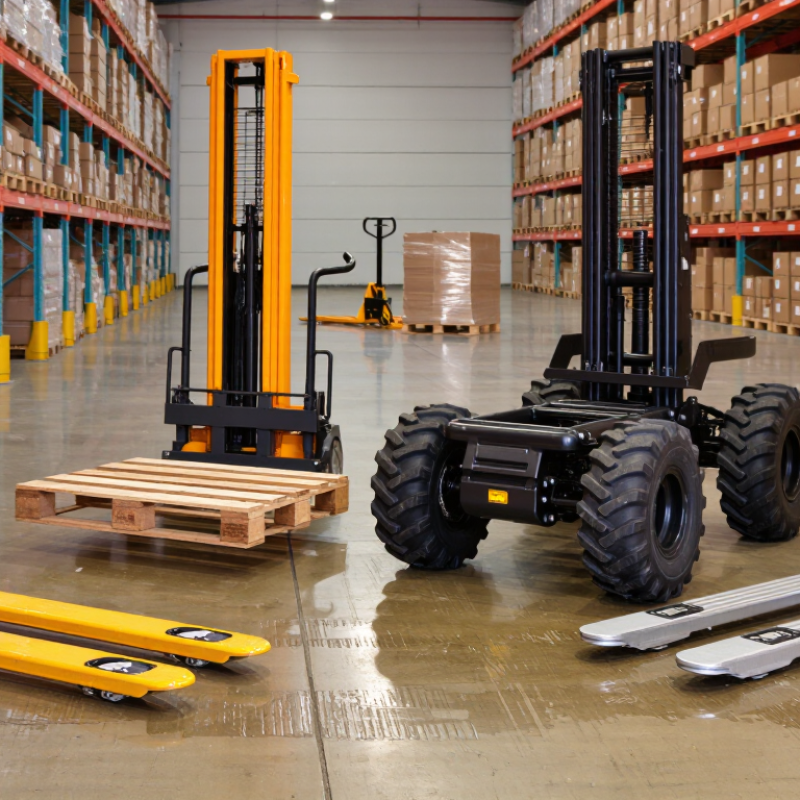
Most standard manual pallet jacks are rated for 5,000–5,500 pounds, but that figure assumes a stable, centered load. A heavy pallet can still feel awkward when its weight shifts toward one fork. Check the jack’s capacity plate and inspect the pallet before moving it. Small details matter.
Standard models suit everyday pallets and smooth warehouse floors. Low-profile jacks fit beneath shorter pallets, while long-fork versions support oversized loads. High-lift models raise goods to a more comfortable working height, but they are not a substitute for a standard jack on every route. Measure pallet openings and aisle widths first. A tight turn can make the “right” capacity irrelevant.
The U.S. Bureau of Labor Statistics counted 1,942 fatal work injuries among transportation and material-moving workers in 2023; the figure covers many job types, not pallet jacks alone. It is a reminder that handling choices deserve care. On the floor, test the handle, wheels, and brake, if fitted, before a shift. Push rather than pull where practical, and slow down over joints or debris. Ratings look precise. Real floors aren’t.
Standard Pallet Trucks: 48-Inch Forks Fit Common 40 × 48-Inch Pallets
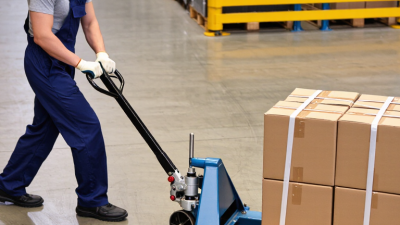
A standard manual pallet truck with 48-inch forks is designed to handle many common 40 × 48-inch pallets. The fork length should match the pallet’s 48-inch dimension. In typical use, the truck enters from the 40-inch side, allowing the forks to run beneath the pallet’s full length. Check the pallet’s entry openings before moving a load; construction and block placement can vary.
Fit matters. The fork tips should not press against the far deck boards or extend awkwardly beyond the load. Before lifting, center both forks and lower them fully into the openings. Pump the handle until the pallet clears the floor, then steer at walking pace. On a smooth concrete aisle, the load should roll steadily; cracked floors or tight turns can make control harder. Keep the load balanced, with heavier items low and evenly distributed.
A 48-inch model is versatile, but not universal. Some facilities use shorter pallets, narrow aisles, or pallets with unusual base designs. Measure the pallet and check the truck’s rated capacity against the actual load, including packaging. I have seen “standard” dimensions create confusion when a pallet was repaired or built for a special purpose. A quick fit check can prevent fork contact and unstable handling.
Narrow and Low-Profile Jacks: Match Fork Dimensions to Load Clearances
Narrow and low-profile pallet jacks solve different clearance problems. A narrow jack suits compact pallets or restricted spaces, but its forks must support the load without overhang or instability. A low-profile model can enter beneath pallets with short bottom boards or reduced openings. Measure the entry height, fork length, and fork spacing before choosing. Check the load’s center of gravity, too; a tight fit alone does not guarantee safe handling.
Clearance errors can become costly. The U.S. Bureau of Labor Statistics reported 4.4 recordable injury and illness cases per 100 full-time workers in transportation and warehousing in 2023. That figure covers the whole sector, not pallet-jack incidents specifically, but it underscores the need for careful equipment selection and handling. Measure the actual pallet, including damaged or uneven boards. Warehouse floors are rarely as tidy as drawings suggest.
Tips: Measure the pallet opening at its narrowest point, then compare it with fork width and lowered fork height. Test with the heaviest routine load on a clear, level aisle. If operators must force entry, reconsider the fit. A small mismatch matters.
High-Lift Pallet Jacks: Scissor Models Commonly Raise Loads About 31 Inches
Scissor-style high-lift pallet jacks can raise a load to about 31 inches, creating a waist-height work surface for picking, packing, or assembly. The exact lift varies by model and load, so check the equipment’s rated capacity and lift range before planning a task. That height can reduce repeated bending when workers move cartons from a pallet onto a bench. It can also make a narrow work area feel crowded. Measure the aisle and work zone first.
These jacks are most useful when a pallet needs lifting and positioning, not simply moving across a warehouse. Not every pallet. Before raising a load, center it on the forks and keep the floor clear; an uneven surface can affect stability. Lower the platform before traveling, and follow the manufacturer’s operating instructions. The scissor frame has pinch points, so keep hands and feet away from moving parts. One easy detail to misjudge is working height: a 31-inch lift may suit one task but still leave a tall worker reaching. Test the setup with the actual pallet and workflow, then adjust the station if needed.
Choosing a Jack: Compare Rated Capacity, Fork Size, and Warehouse Aisles
A manual pallet jack should match the load, pallet, and route—not just the warehouse’s most common task. Check the jack’s rated capacity against the heaviest loaded pallet, including any uneven weight distribution. Then compare fork length, individual fork width, and outside fork width with the pallet openings. ISO 6780:2003 specifies principal flat-pallet dimensions, including 1200 × 1000 mm and 1200 × 800 mm formats; measure the pallets actually used before ordering. A near fit can still snag.
Aisles need a practical test. Measure the narrowest turn, not only the straight passage, and allow room for the operator to steer a loaded jack without scraping racks. The U.S. Bureau of Labor Statistics reported 4.8 recordable injury cases per 100 full-time workers in transportation and warehousing in 2022, versus 2.7 across private industry. This figure does not prove that jack choice causes injuries, but it underscores why handling conditions deserve attention. Real layouts are messy.
Tips: Measure a pallet’s entry openings and the tightest loaded turn. Check the jack’s capacity plate, then trial the fork fit with a typical load. Leave clearance for turning; a paper aisle calculation may miss floor obstacles or awkward corners.
Top Manual Pallet Jack Types for Every Warehouse
Compare representative rated capacities, fork sizes, and aisle suitability. Specifications vary by model and load center, so verify the rated capacity and dimensions before choosing a jack.
| Jack type |
Representative fork size (length × width) |
Aisle fit |
| Standard |
1,150 × 150 mm |
General-purpose, standard aisles |
| Short-fork |
800 × 150 mm |
Compact spaces and tight turns |
| Long-fork |
1,500 × 150 mm |
Wider aisles; long or multiple loads |
| Low-profile |
1,150 × 150 mm |
Standard aisles; low-clearance pallets |
| High-lift |
1,150 × 150 mm |
Work areas with room for lifting and positioning |
Capacities and dimensions shown are representative examples, not universal specifications. Actual aisle requirements depend on the jack’s turning radius, pallet size, load, and handling method.
 Skip to content